What are the different types of loans available? This question embarks us on a fascinating journey into the world of finance, where a multitude of lending options await exploration. From secured loans that offer peace of mind to unsecured loans that provide flexibility, this guide will illuminate the intricacies of various loan types, empowering you to make informed financial decisions.
Whether you aspire to purchase a home, finance a new car, or consolidate debt, understanding the nuances of each loan type is paramount. Dive into this comprehensive resource to unravel the mysteries of secured and unsecured loans, government-backed loans, and short-term loans, equipping yourself with the knowledge to navigate the financial landscape with confidence.
Secured Loans
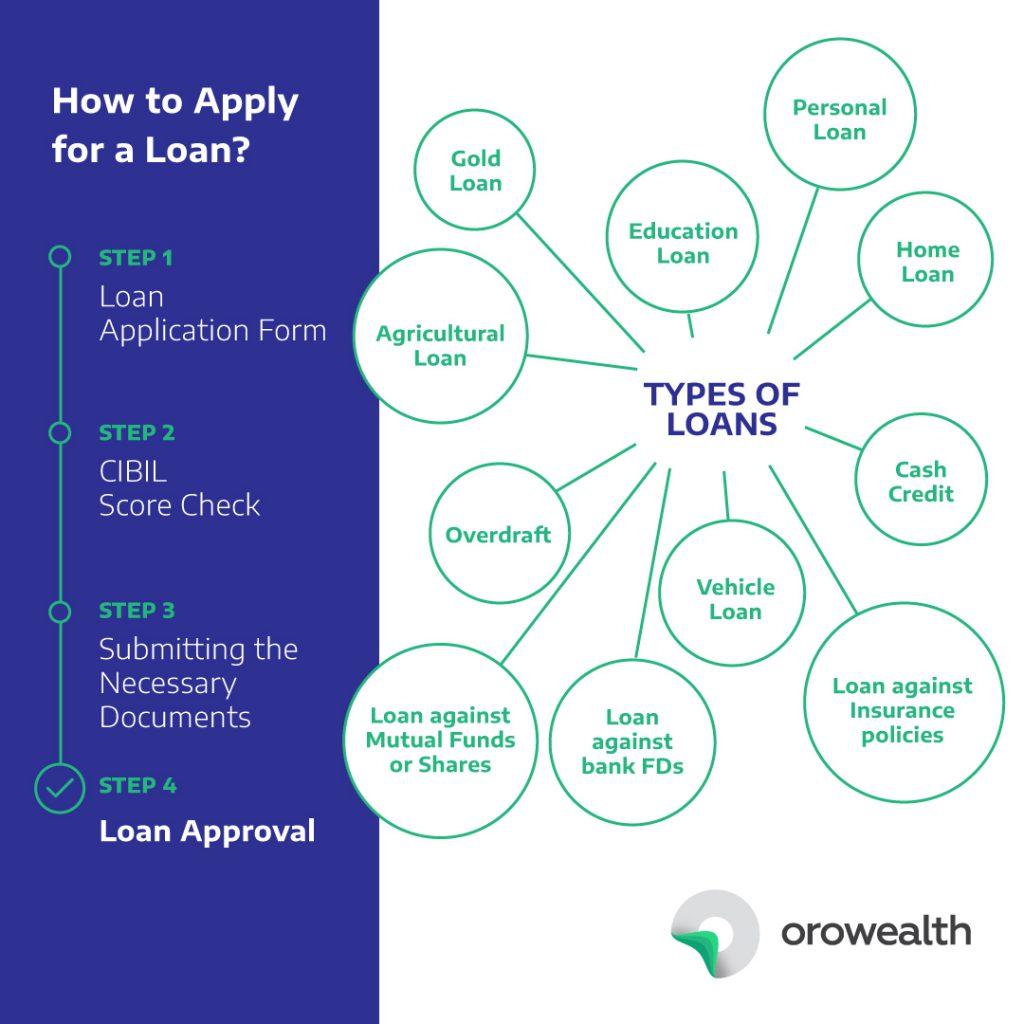
Secured loans are a type of loan where the borrower pledges an asset as collateral. This collateral serves as security for the lender, reducing the risk associated with the loan. Unlike unsecured loans, which rely solely on the borrower’s creditworthiness, secured loans offer lower interest rates and more favorable terms due to the presence of collateral.
Types of Secured Loans
There are several common types of secured loans, each with its own unique characteristics and requirements:
- Mortgages: Loans secured by real estate, typically used to purchase or refinance a home.
- Auto Loans: Loans secured by a vehicle, used to finance the purchase of a car, truck, or other motorized vehicle.
- Home Equity Loans and Lines of Credit (HELOCs): Loans secured by the equity in a borrower’s home, allowing them to borrow against the value of their property.
- Business Loans: Loans secured by business assets, such as equipment, inventory, or accounts receivable, used to finance business operations or expansion.
Advantages of Secured Loans
- Lower Interest Rates: Secured loans typically offer lower interest rates than unsecured loans due to the reduced risk for the lender.
- More Favorable Terms: Lenders may offer more favorable loan terms, such as longer repayment periods or higher loan amounts, for secured loans.
- Easier to Qualify: Borrowers with lower credit scores or limited credit history may find it easier to qualify for a secured loan than an unsecured loan.
Disadvantages of Secured Loans
- Risk of Default: If the borrower fails to repay the loan, the lender can seize and sell the collateral to recover the outstanding debt.
- Limited Loan Amount: The loan amount is typically limited by the value of the collateral.
- Restrictions on Collateral: The lender may impose restrictions on the use or sale of the collateral while the loan is outstanding.
Unsecured Loans
Unsecured loans are a type of borrowing that is not backed by collateral, such as a house or a car. This means that the lender has no recourse to seize any of your assets if you default on the loan. As a result, unsecured loans typically come with higher interest rates and shorter repayment terms than secured loans.
There are many different types of unsecured loans available, including personal loans, credit card debt, and payday loans. Personal loans are typically used for larger purchases, such as a car or a home renovation. Credit card debt is a type of revolving credit that can be used for everyday purchases. Payday loans are small, short-term loans that are typically due on your next payday.
The interest rates and terms of unsecured loans vary depending on a number of factors, including your credit score, your debt-to-income ratio, and the amount of money you are borrowing. Lenders will typically offer lower interest rates to borrowers with good credit scores and low debt-to-income ratios. You can also get a lower interest rate if you borrow a smaller amount of money.
You also will receive the benefits of visiting How to calculate grades for a year? today.
Government-Backed Loans
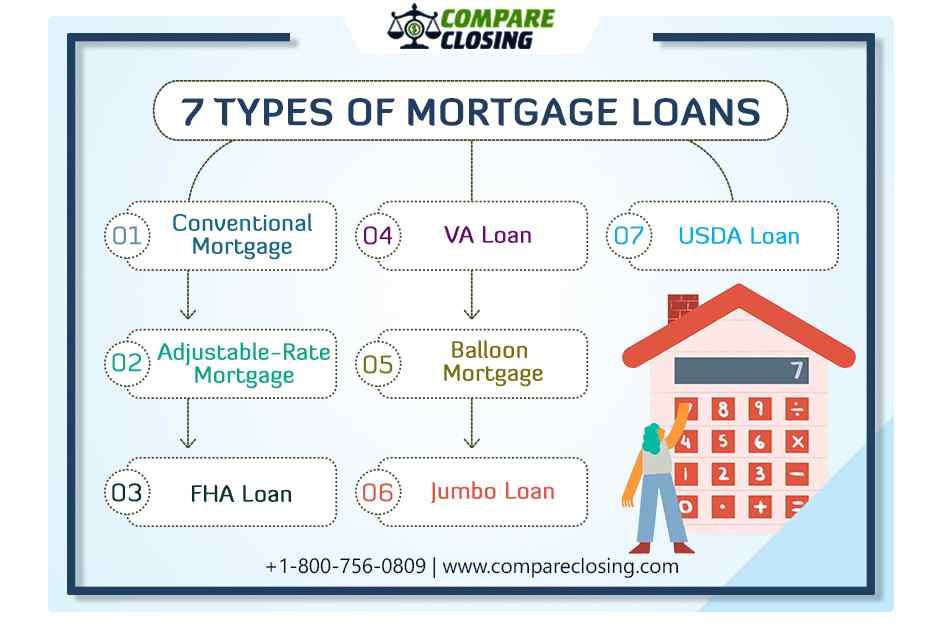
Government-backed loans are a type of loan that is guaranteed by the government. This means that if the borrower defaults on the loan, the government will repay the lender. Government-backed loans are designed to make it easier for borrowers to obtain financing, especially for those who may not qualify for traditional loans.
There are several different types of government-backed loans available, including FHA loans and VA loans. FHA loans are insured by the Federal Housing Administration (FHA), while VA loans are insured by the Department of Veterans Affairs (VA).
Eligibility Criteria
To be eligible for a government-backed loan, borrowers must meet certain criteria. These criteria vary depending on the type of loan, but generally include:
- Good credit score
- Stable income
- Low debt-to-income ratio
- Proof of homeownership
Benefits
Government-backed loans offer several benefits to borrowers, including:
- Lower interest rates
- More flexible underwriting guidelines
- Lower down payment requirements
- No private mortgage insurance (PMI)
Short-Term Loans
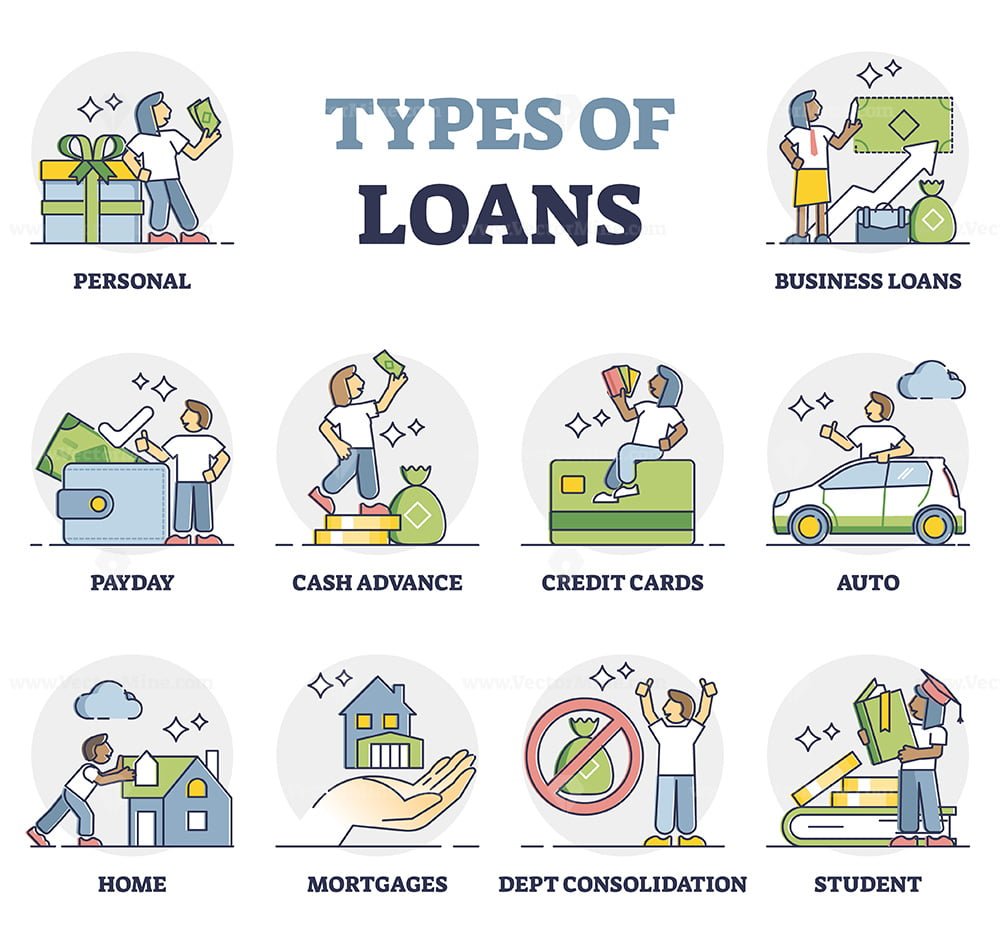
Short-term loans are financial products designed to provide quick access to funds for a limited period. They typically have a duration of less than a year, with some extending up to 18 months. These loans are often used to cover unexpected expenses, such as medical bills, car repairs, or temporary cash flow shortfalls.
Examples of Short-Term Loans
Some common types of short-term loans include:
- Payday loans: These are small, high-interest loans that are typically due on the borrower’s next payday. They are often used to cover small, urgent expenses, but come with high fees and interest rates.
- Cash advances: These are loans that allow borrowers to access a portion of their credit card limit in cash. They are generally more expensive than traditional credit card purchases and may incur additional fees.
Advantages and Risks of Short-Term Loans, What are the different types of loans available?
Advantages:
- Quick access to funds: Short-term loans can provide fast access to cash, which can be helpful in emergencies.
- Flexible repayment terms: Some short-term loans offer flexible repayment options, allowing borrowers to tailor the loan to their financial situation.
Risks:
- High interest rates: Short-term loans often come with high interest rates, which can make them expensive to repay.
- Short repayment periods: The short repayment periods associated with these loans can put pressure on borrowers to repay the loan quickly, potentially leading to financial stress.
- Risk of default: If borrowers are unable to repay the loan on time, they may face penalties and damage to their credit score.
It’s important for borrowers to carefully consider the terms and conditions of short-term loans before taking them out, and to ensure they have a plan for repaying the loan on time.
Ultimate Conclusion
In conclusion, the spectrum of loan types available caters to a diverse range of financial needs. By comprehending the intricacies of secured, unsecured, government-backed, and short-term loans, you gain the power to make well-informed borrowing decisions. Remember, the choice of loan should align with your specific circumstances and financial goals. Armed with this knowledge, you can embark on your financial journey with clarity and confidence, unlocking the doors to your financial aspirations.
Query Resolution: What Are The Different Types Of Loans Available?
What is the difference between a secured and unsecured loan?
Secured loans are backed by collateral, such as a house or car, while unsecured loans are not.
What are some examples of government-backed loans?
FHA loans and VA loans are common examples of government-backed loans.
What is the advantage of a short-term loan?
Short-term loans can provide quick access to funds in case of emergencies.