Embark on a statistical journey with the t paired test calculator, an indispensable tool for researchers and analysts seeking to compare paired data and uncover hidden insights. This comprehensive guide will navigate you through the intricacies of the t paired test, empowering you to make informed decisions and draw meaningful conclusions.
Delve into the statistical underpinnings of the t paired test, unraveling the concepts of null and alternative hypotheses. Understand the significance of sample size, mean difference, and standard deviation as you delve into the practicalities of using the calculator.
Understanding the t-paired Test Calculator: T Paired Test Calculator

A t-paired test calculator is a statistical tool used to compare the means of two paired samples. It is commonly employed when the same individuals are measured twice under different conditions or at different points in time. The calculator performs the t-paired test, which assesses whether there is a significant difference between the means of the two samples.
Statistical Concepts Underlying the t-paired Test
The t-paired test is based on the assumption that the differences between the paired samples follow a normal distribution. The null hypothesis (H0) states that there is no significant difference between the means of the two samples, while the alternative hypothesis (Ha) states that there is a significant difference.
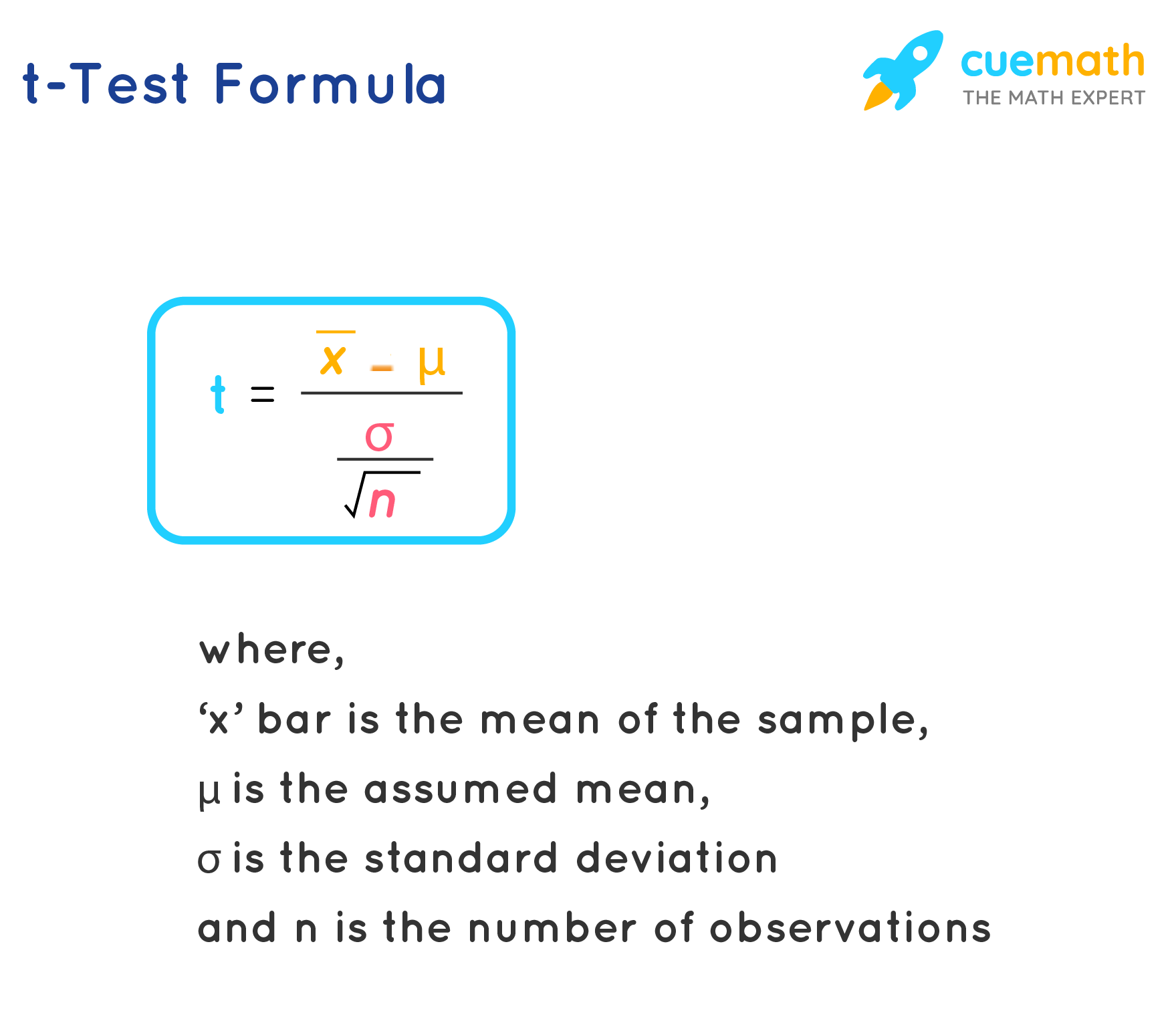
The t-statistic is calculated as the difference between the means of the two samples divided by the standard error of the difference. The standard error of the difference is a measure of the variability of the differences between the paired samples.
The t-statistic is then compared to a critical value from a t-distribution with n-1 degrees of freedom, where n is the number of pairs of observations. If the absolute value of the t-statistic is greater than the critical value, the null hypothesis is rejected, and the alternative hypothesis is accepted.
Using the t-paired Test Calculator
The t-paired test calculator is a statistical tool used to compare the means of two related samples. It is commonly used in situations where the same subjects are measured before and after an intervention or treatment.
To use the t-paired test calculator, you will need to input the following parameters:
- Sample size (n):The number of subjects in each sample.
- Mean difference (d):The difference between the means of the two samples.
- Standard deviation of the differences (sd):The standard deviation of the differences between the two samples.
Once you have input these parameters, the calculator will output the following results:
- t-statistic:A measure of the difference between the means of the two samples, standardized by the standard deviation of the differences.
- p-value:The probability of obtaining a t-statistic as extreme as or more extreme than the one observed, assuming that the null hypothesis (that the means of the two samples are equal) is true.
- Confidence interval:A range of values within which the true mean difference between the two samples is likely to fall, with a specified level of confidence (usually 95%).
The t-paired test calculator can be used to determine whether there is a statistically significant difference between the means of two related samples. A significant difference indicates that the intervention or treatment had an effect on the subjects.
Applications of the t-paired Test Calculator
The t-paired test calculator is a valuable tool for researchers and practitioners in various fields. It allows them to analyze the differences between paired samples, which can provide insights into the effectiveness of interventions, changes over time, or the impact of different treatments.
Research Studies, T paired test calculator
- Effectiveness of a new teaching method:A study compared the test scores of students before and after implementing a new teaching method. The t-paired test was used to determine if there was a significant difference in the scores, indicating the effectiveness of the new method.
- Changes in blood pressure over time:A study tracked the blood pressure of a group of individuals over several months. The t-paired test was used to assess whether there were significant changes in blood pressure over time, indicating the impact of lifestyle changes or medical interventions.
- Comparison of two treatments:A study compared the outcomes of patients who received two different treatments for a particular condition. The t-paired test was used to determine if there was a significant difference in the outcomes between the two treatments, providing evidence for the effectiveness of one treatment over the other.
Practical Applications
- Evaluating the impact of training programs:Businesses can use the t-paired test to compare the performance of employees before and after participating in a training program, assessing its effectiveness in improving productivity or skills.
- Monitoring patient progress:Healthcare professionals can use the t-paired test to track the progress of patients over time, identifying changes in their health status or response to treatment.
- Assessing the effectiveness of marketing campaigns:Marketers can use the t-paired test to compare the sales figures before and after launching a marketing campaign, determining its impact on consumer behavior.
Limitations and Assumptions
It is important to note the limitations and assumptions of using the t-paired test:
- Paired samples:The t-paired test is only applicable to paired samples, where each observation in one sample is matched with an observation in the other sample.
- Normal distribution:The t-paired test assumes that the differences between the paired samples are normally distributed.
- Equal variances:The t-paired test assumes that the variances of the differences between the paired samples are equal.
- Independence:The t-paired test assumes that the observations within each pair are independent of each other.
By understanding these limitations and assumptions, researchers and practitioners can ensure that the t-paired test is appropriate for their research or practical applications.
Final Thoughts
As you master the t paired test calculator, you’ll unlock a powerful tool for statistical analysis. Embrace its versatility in diverse research scenarios, from comparing pre- and post-intervention data to evaluating the effectiveness of treatments. With a deep understanding of its limitations and assumptions, you’ll navigate the world of statistical inference with confidence.