Bayes theorem calculator – Welcome to the fascinating world of Bayes’ Theorem Calculator, where probability becomes your ally in unraveling uncertainties and making informed decisions. This ingenious tool empowers you to harness the power of Bayesian statistics, making complex calculations a breeze.
Delving into the realm of probability, Bayes’ Theorem serves as a cornerstone, providing a systematic framework for updating beliefs based on new evidence. With its versatility, it finds applications in diverse fields, from medical diagnosis to spam filtering and beyond.
Bayes Theorem Overview
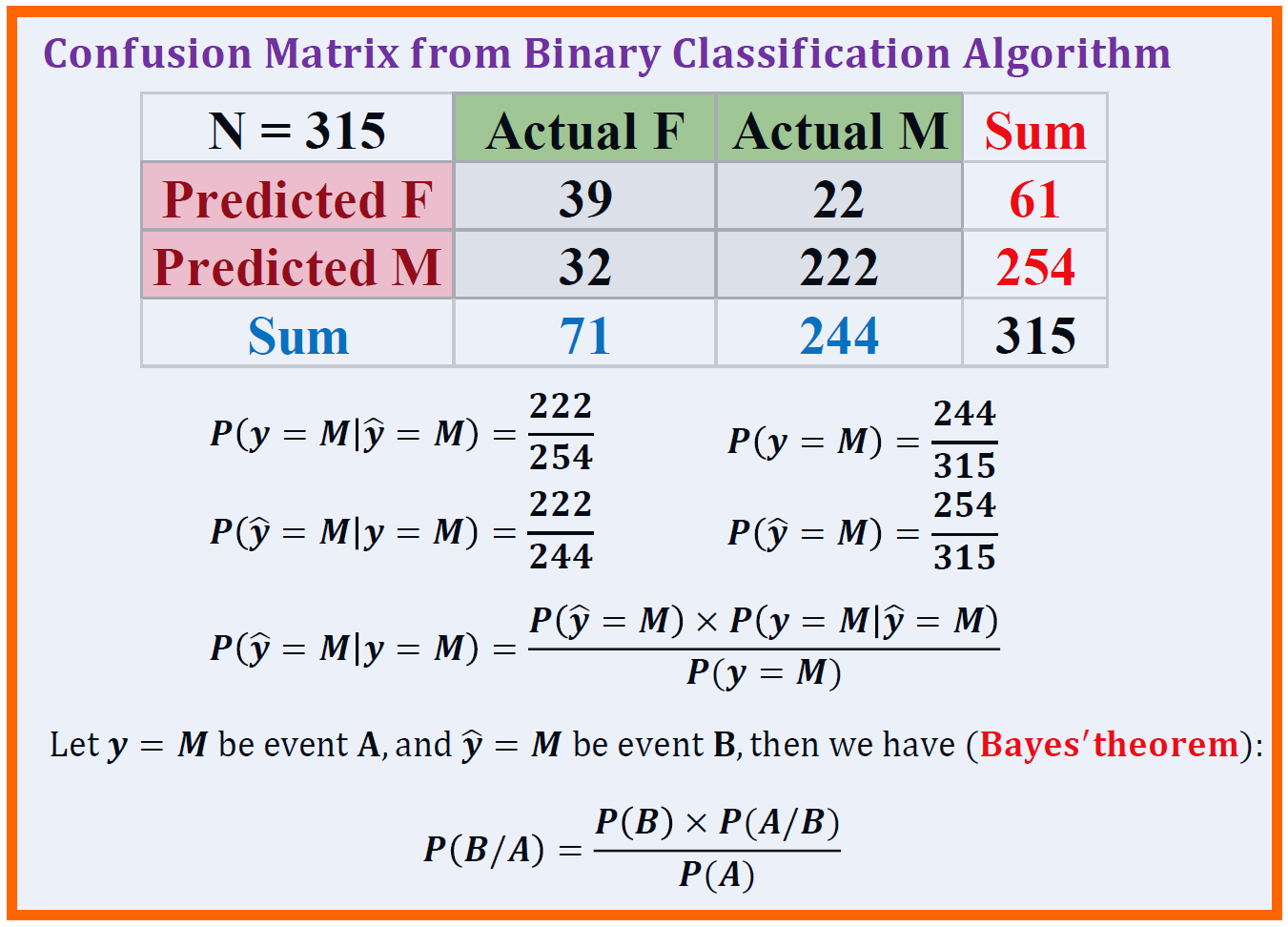
Bayes’ Theorem is a fundamental theorem in probability theory that provides a framework for updating beliefs in light of new evidence. It is a powerful tool for making inferences about the likelihood of events based on conditional probabilities.
The Bayes’ Theorem formula is as follows:
P(A|B) = P(B|A)
P(A) / P(B)
where:
- P(A|B) is the probability of event A occurring given that event B has occurred (posterior probability).
- P(B|A) is the probability of event B occurring given that event A has occurred (likelihood).
- P(A) is the prior probability of event A occurring.
- P(B) is the prior probability of event B occurring.
Bayes’ Theorem has numerous applications in various fields, including statistics, machine learning, artificial intelligence, and medical diagnosis.
Simplified Example, Bayes theorem calculator
Imagine you are a doctor who has a patient with a rare disease. The probability of having this disease is 0.001 (prior probability). A test is available to diagnose the disease, but it is not perfect. The probability of a positive test result given that the patient has the disease is 0.99 (likelihood).
However, the probability of a positive test result given that the patient does not have the disease is 0.05 (false positive rate).
If the patient tests positive, what is the probability that they actually have the disease?
Using Bayes’ Theorem:
P(Disease|Positive Test) = P(Positive Test|Disease)
P(Disease) / P(Positive Test)
Plugging in the values, we get:
P(Disease|Positive Test) = 0.99
- 0.001 / (0.99
- 0.001 + 0.05
- 0.999)
This gives us a posterior probability of approximately 0.0198, or about 2%. This means that while a positive test result increases the probability that the patient has the disease, it is still relatively low due to the high false positive rate.
Using Bayes Theorem Calculator
A Bayes Theorem calculator is an online tool that automates the calculations involved in applying Bayes’ theorem. It provides a convenient way to evaluate the probability of events based on known conditional probabilities and prior information.
Inputting Data
To use a Bayes Theorem calculator, you need to input the following data:
- P(A): The prior probability of event A occurring.
- P(B|A): The conditional probability of event B occurring given that event A has occurred.
- P(not B): The probability of event B not occurring.
Interpreting Results
The calculator will output the following results:
- P(A|B): The posterior probability of event A occurring given that event B has occurred.
Tips for Using the Calculator
Here are some tips for using a Bayes Theorem calculator effectively:
- Ensure that the input values are accurate and represent the probabilities of the events correctly.
- Consider using different values for the input probabilities to explore how they affect the posterior probability.
- Use the calculator to solve problems involving real-world scenarios, such as medical diagnosis or spam filtering.
Advanced Applications of Bayes Theorem
Beyond its theoretical significance, Bayes’ Theorem has found widespread practical applications in various fields, including medical diagnosis, spam filtering, and financial modeling. Its ability to incorporate prior knowledge and update probabilities based on new evidence makes it a powerful tool for decision-making in uncertain environments.
Medical Diagnosis
Bayes’ Theorem is extensively used in medical diagnosis to assess the probability of a patient having a specific disease based on their symptoms and other relevant information. By considering the prevalence of the disease in the population, the sensitivity and specificity of the diagnostic test, and the patient’s symptoms, clinicians can calculate the likelihood that the patient has the disease.
This information aids in making informed decisions regarding further testing, treatment options, and patient management.
Spam Filtering
In the realm of email filtering, Bayes’ Theorem is employed to distinguish between legitimate emails and spam. Spam filters analyze incoming emails based on various features, such as the presence of certain s, sender reputation, and content structure. By assigning probabilities to each feature and utilizing Bayes’ Theorem, the filter can determine the likelihood that an email is spam and take appropriate actions, such as moving it to a spam folder or blocking it altogether.
Financial Modeling
Bayes’ Theorem is a valuable tool in financial modeling, particularly in assessing the probability of future events, such as stock price movements or creditworthiness of borrowers. By incorporating historical data, market trends, and expert opinions, financial analysts can use Bayes’ Theorem to update their beliefs and make informed predictions about future outcomes.
This information supports investment decisions, risk management, and portfolio optimization.
Limitations and Considerations: Bayes Theorem Calculator

While Bayes’ Theorem is a powerful tool for probabilistic reasoning, it has certain limitations and requires careful consideration when applying it.
It is crucial to understand the assumptions and constraints of Bayes’ Theorem to avoid pitfalls and ensure its appropriate usage.
Assumptions and Constraints
- Prior Probability:The theorem assumes that prior probabilities are known and accurate. In practice, obtaining reliable prior probabilities can be challenging.
- Conditional Independence:Bayes’ Theorem assumes that events are conditionally independent, given the hypothesis. This assumption may not always hold true in real-world scenarios.
- Sample Size:The accuracy of Bayes’ Theorem depends on the sample size. Small sample sizes can lead to unreliable results.
- Overfitting:Bayes’ Theorem can be susceptible to overfitting, where the model learns specific patterns in the training data that may not generalize well to new data.
Guidelines for Appropriate Usage
- Assess Assumptions:Before applying Bayes’ Theorem, carefully evaluate the assumptions and constraints to ensure they are valid for the given problem.
- Obtain Reliable Priors:If possible, use empirical data or expert knowledge to obtain reliable prior probabilities.
- Consider Sample Size:Ensure that the sample size is sufficient for the problem at hand.
- Validate Results:Validate the results of Bayes’ Theorem using cross-validation or other statistical techniques to ensure they are robust.
Last Recap
Embracing Bayes’ Theorem Calculator unlocks a wealth of possibilities. It empowers you to make data-driven decisions, navigate uncertainties with confidence, and unravel the complexities of probability. Whether you’re a seasoned statistician or just starting your journey into the world of probability, this calculator is your indispensable companion.