
How to calculate GPA for different grading scales? This comprehensive guide provides a clear understanding of grading scales, conversion methods, and practical applications, empowering you to accurately calculate GPA across various scales.
Delving into the intricacies of grading systems, we explore the concept of scales and their diverse types. From the familiar 4.0 scale to the nuanced 10-point system, we unravel the complexities of grading methodologies.
Understanding Grading Scales
Grading scales are systems used by educational institutions to evaluate student performance and assign grades. They provide a standardized framework for measuring academic achievement and communicating it to students, parents, and other stakeholders.
There are different types of grading scales, each with its own unique characteristics and purposes. Some of the most common grading scales include:
Letter Grades
- A scale that uses letters (e.g., A, B, C, D, F) to represent different levels of achievement.
- Each letter grade typically corresponds to a specific range of numerical scores.
- Letter grades are commonly used in high schools, colleges, and universities.
Numerical Grades
- A scale that uses numbers (e.g., 0-100) to represent different levels of achievement.
- Numerical grades provide a more precise measure of student performance than letter grades.
- Numerical grades are often used in elementary and middle schools, as well as in some colleges and universities.
Percentage Grades
- A scale that uses percentages (e.g., 0%-100%) to represent different levels of achievement.
- Percentage grades are similar to numerical grades, but they are expressed as a percentage of the total possible points.
- Percentage grades are often used in high schools and colleges.
Conversion Methods
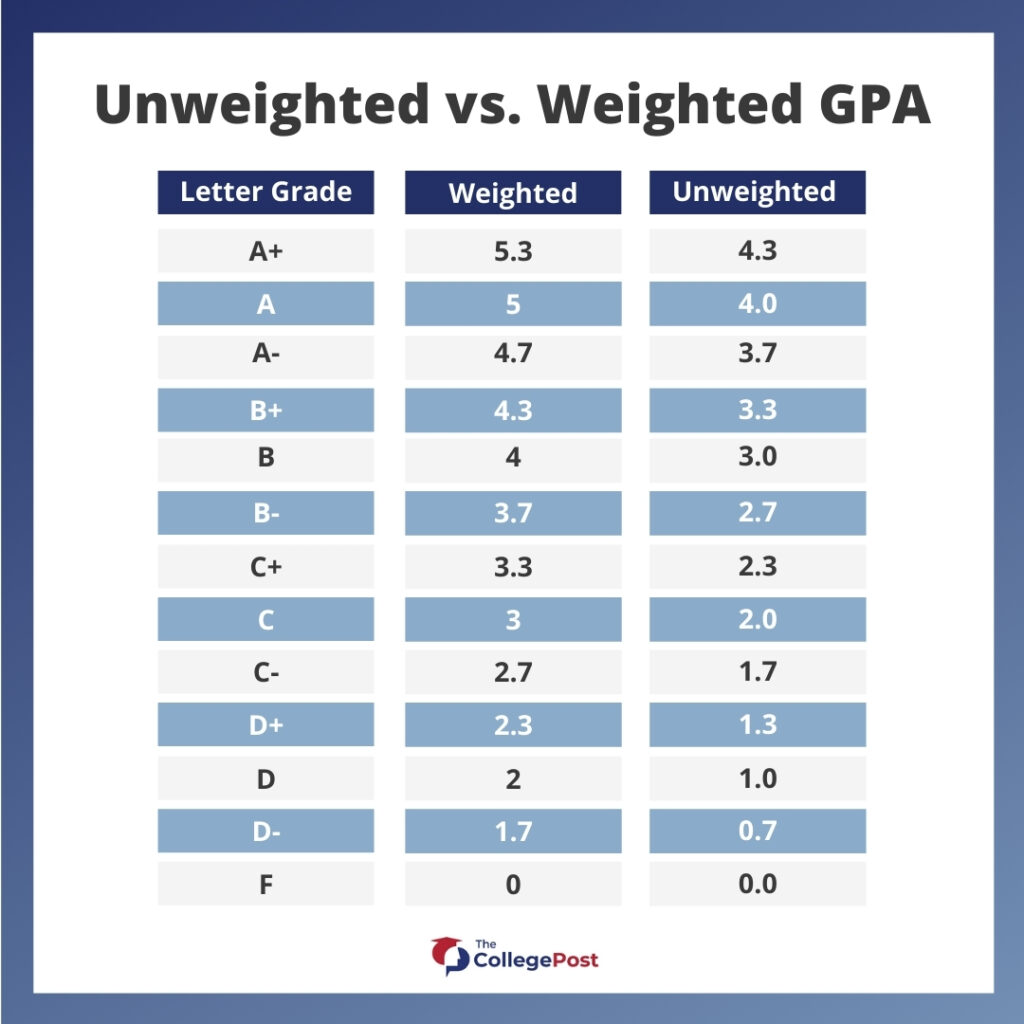
Converting grades from one scale to another involves utilizing specific formulas and understanding the different grading systems. By employing the appropriate conversion methods, students and educators can accurately calculate GPA across various scales.
The conversion process requires careful consideration of the grading scale being used and the corresponding grade equivalents. Different educational institutions and countries may employ unique grading scales, necessitating the use of conversion tables or formulas to ensure accurate GPA calculations.
GPA Conversion Formula
The general formula for converting GPA from one scale to another is:
GPAnew = (GPAold x Scaleold) / Scalenew
Where:
- GPAnew is the converted GPA on the new scale
- GPAold is the original GPA on the old scale
- Scaleold is the maximum value of the old scale
- Scalenew is the maximum value of the new scale
Practical Applications
GPA, or Grade Point Average, plays a crucial role in academic and professional contexts. It provides a standardized measure of academic performance and is widely used for various purposes, such as determining eligibility for scholarships, college admissions, and even job applications.
The significance of GPA lies in its ability to summarize a student’s overall academic achievement. It serves as a common denominator, allowing for easy comparison of academic performance across different institutions and grading systems. Understanding the different grading scales and conversion methods is essential for accurately calculating GPA.
Real-World Examples of GPA Calculation
Let’s consider a few real-world examples to illustrate how GPA is calculated for different grading scales:
- 4.0 GPA Scale: A student takes four courses, receiving grades of A (4.0), B+ (3.5), B (3.0), and C+ (2.5). Their GPA is calculated as (4.0 + 3.5 + 3.0 + 2.5) / 4 = 3.25.
- 10-Point GPA Scale: A student takes three courses, receiving grades of 9 (A), 8 (B), and 7 (C). Their GPA is calculated as (9 + 8 + 7) / 3 = 8.0.
- Letter Grade Scale: A student takes five courses, receiving grades of A, B, C+, B-, and D+. The institution uses the following conversion method: A = 4.0, B = 3.0, C = 2.0, D = 1.0. Their GPA is calculated as (4.0 + 3.0 + 2.5 + 2.7 + 1.5) / 5 = 2.74.
Significance of GPA, How to calculate GPA for different grading scales
GPA holds significant value in various contexts:
- Scholarships and Financial Aid: Many scholarships and financial aid programs require a minimum GPA for eligibility. A higher GPA can increase a student’s chances of securing funding for their education.
- College Admissions: GPA is a key factor considered by colleges and universities during the admissions process. A strong GPA demonstrates a student’s academic ability and preparedness for higher education.
- Job Applications: Some employers consider GPA as an indicator of a candidate’s work ethic, academic skills, and potential for success in the workplace.
Advanced Considerations
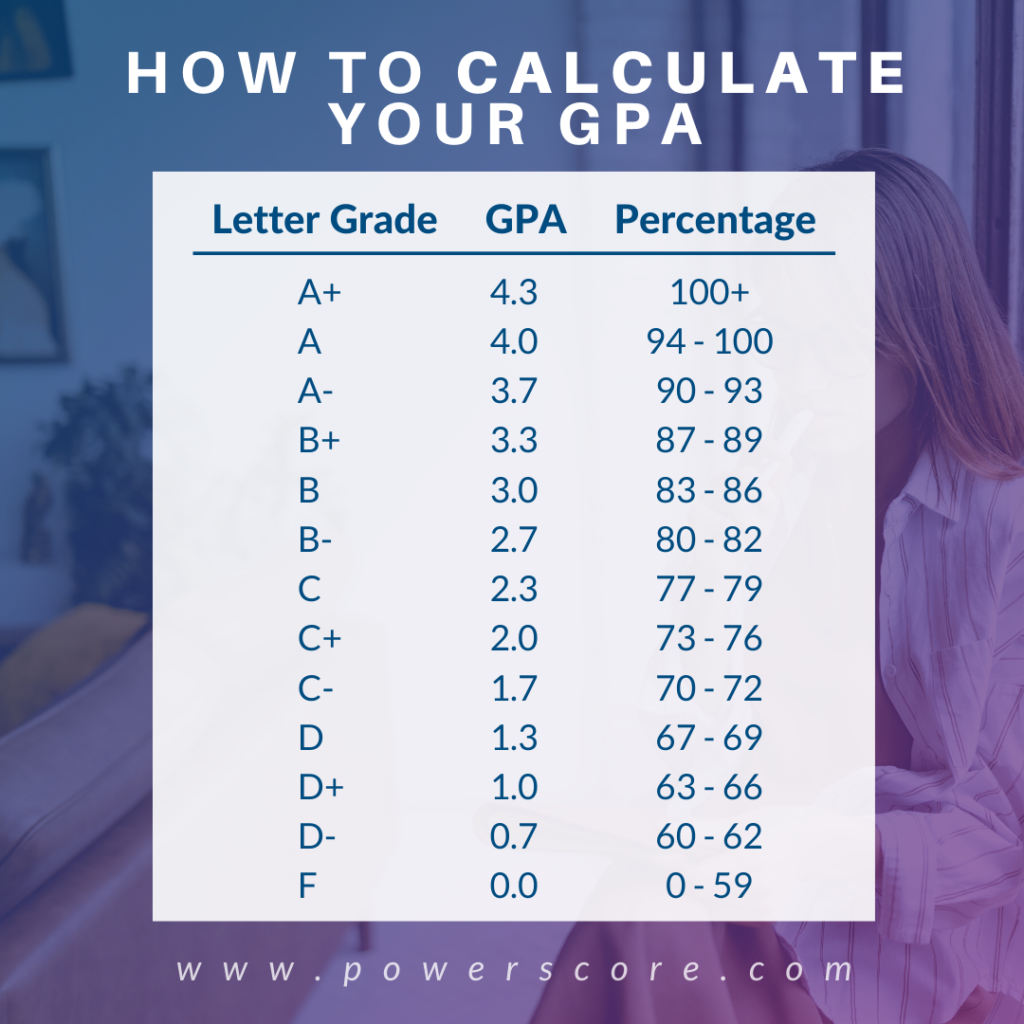
Calculating GPA can become more complex when considering factors that affect its value, such as weighting and course difficulty. Understanding these factors and how to account for them is essential for accurate GPA calculation across different grading scales.
Weighting
Weighting refers to the practice of assigning different values to different courses based on their perceived importance or difficulty. This is often done to give more weight to courses that are considered more challenging or foundational.
Notice Cornrows hairstyles for long hair for recommendations and other broad suggestions.
When calculating GPA with weighted courses, the grades earned in those courses are multiplied by the assigned weight before being averaged. This results in a higher GPA for students who perform well in weighted courses.
Course Difficulty
Course difficulty can also impact GPA calculation. Some courses are inherently more challenging than others, and this can affect the grades earned by students. For example, a student may earn a lower grade in a difficult course, even if they put in the same effort as they do in an easier course.
To account for course difficulty, some grading scales use a curve to adjust grades based on the performance of the class. This ensures that students are not penalized for taking more challenging courses.
Final Wrap-Up: How To Calculate GPA For Different Grading Scales

In conclusion, calculating GPA across different grading scales requires a systematic approach that considers scale conversions, weighting, and course difficulty. By understanding the nuances of each scale and applying the appropriate methods, you can accurately determine your GPA and make informed decisions regarding your academic journey.
Essential Questionnaire
What is the most common grading scale used in the United States?
The most common grading scale used in the United States is the 4.0 scale, where A=4.0, B=3.0, C=2.0, D=1.0, and F=0.0.
How do I convert a grade from one scale to another?
To convert a grade from one scale to another, you can use a conversion table or formula. For example, to convert a grade from the 4.0 scale to the 10-point scale, you would multiply the 4.0 scale grade by 10 and divide by 4.
What is the difference between weighted and unweighted GPA?
Weighted GPA takes into account the difficulty of the courses you have taken, while unweighted GPA does not. This means that a weighted GPA will be higher for students who have taken more challenging courses.
