
How to calculate GPA for multiple schools – Calculating GPA for multiple schools can be a daunting task, but it is essential for students applying to graduate school, transferring institutions, or seeking scholarships. This guide will provide a step-by-step approach to calculating GPA for multiple schools, ensuring accuracy and clarity in your application process.
Understanding the different grading scales, weighting systems, and transfer credit policies of each institution is crucial for calculating a precise GPA. This guide will delve into these complexities, empowering you to navigate the GPA calculation process with confidence.
Data Collection

To accurately calculate GPA across multiple schools, it is crucial to gather and organize relevant transcripts. Begin by requesting official transcripts from each institution you attended. These transcripts should include all coursework, grades, and any relevant academic information.
Once you have obtained the transcripts, carefully review and organize them. Ensure that each transcript is legible and contains all necessary information. If any transcripts are missing or incomplete, contact the respective schools to request copies.
You also can understand valuable knowledge by exploring BMI calculator with muscle mass.
Grading Scales
Different schools may use different grading scales. It is essential to understand the grading system of each institution to ensure accurate GPA calculation. Common grading scales include the 4.0 scale (A=4.0, B=3.0, etc.), the 5.0 scale (A=5.0, B=4.0, etc.), and percentage-based scales. Determine the grading scale used by each school and note any variations in grading systems.
Calculation Methods
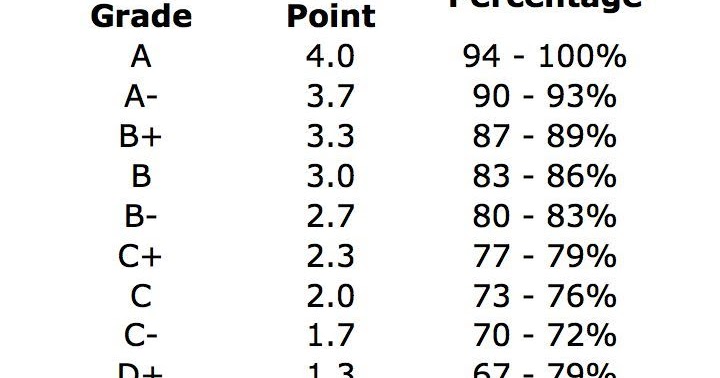
GPA calculation involves various methods depending on the institution and the type of courses taken. Understanding the specific formula used is crucial for accurate GPA determination.
There are two primary types of GPA calculation methods: weighted and unweighted averages.
Weighted Average
Weighted average assigns different weights to courses based on their difficulty level. Typically, honors, AP, or IB courses carry more weight than regular courses. This method is commonly used to calculate GPA for college applications and transcripts.
To calculate weighted GPA:
- Multiply the grade points earned in each course by the course’s weight.
- Add up the weighted grade points.
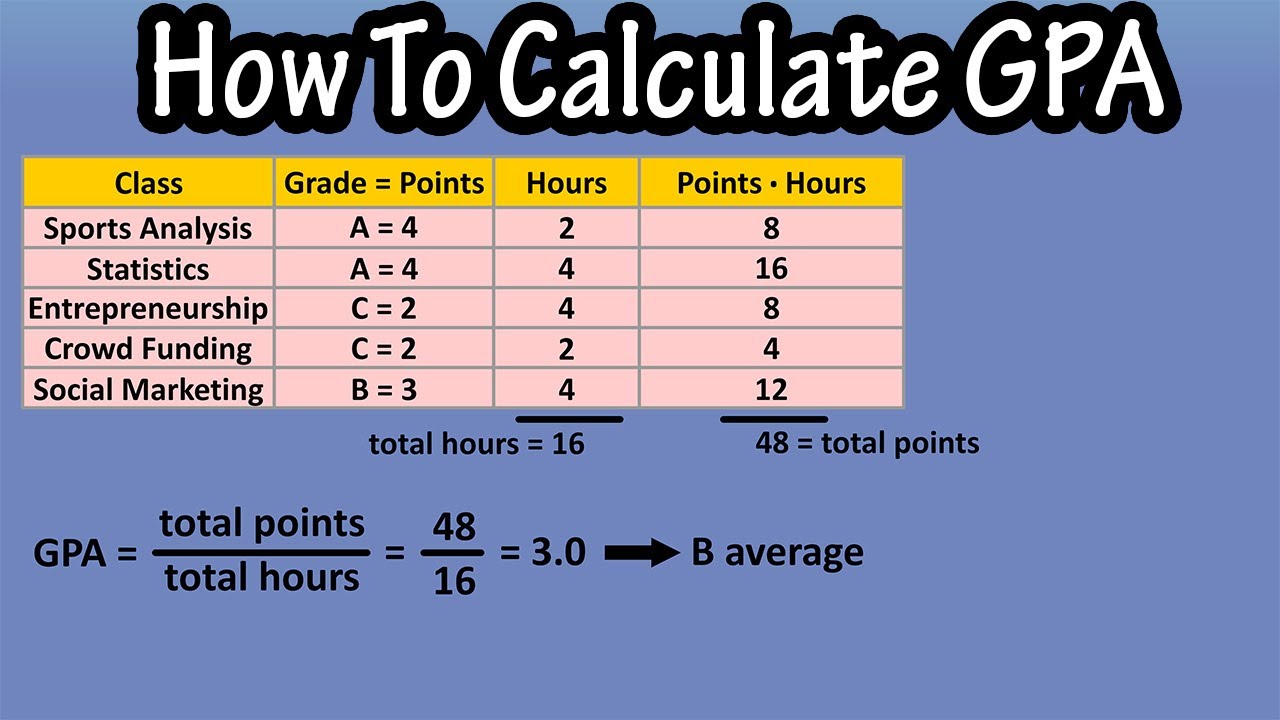
- Divide the total weighted grade points by the total number of weighted course credits.
Unweighted Average
Unweighted average treats all courses equally, regardless of their difficulty level. This method is often used for calculating GPA for high school transcripts.
To calculate unweighted GPA:
- Add up the grade points earned in each course.
- Divide the total grade points by the total number of course credits.
Impact of Transfer Credits
When transferring credits from one institution to another, the GPA calculation may be affected. Some institutions may recalculate the GPA based on all transferred courses, while others may only consider the grades earned at their own institution.
It is important to check with the receiving institution regarding their specific policy on transfer credit GPA calculation to ensure an accurate assessment of academic performance.
Table Organization
To effectively present the calculated GPAs from multiple schools, it is crucial to organize the data in a structured and visually appealing manner. An HTML table provides an ideal solution for this purpose.
The table should comprise columns and rows, with each column representing a specific aspect of the data and each row representing a school or institution.
Column Organization
The columns should be organized as follows:
- School Name: This column should list the name of the school or institution.
- GPA: This column should display the calculated GPA for the respective school.
- Credits: This column should indicate the total number of credits earned at the school.
- Grading Scale: This column should specify the grading scale used by the school.
- Additional Information: This column can include any additional relevant information, such as the number of courses taken or the duration of attendance.
Row Organization, How to calculate GPA for multiple schools
The rows should be organized by school, with each row representing a different school or institution. The data in each row should correspond to the columns described above.
Formatting Options
To enhance readability and clarity, consider the following formatting options:
- Highlighting: Use colors or shading to highlight important data, such as the highest or lowest GPA.
- Sorting: Allow users to sort the table by different columns, such as GPA or school name.
- Responsive Design: Ensure that the table is responsive and adjusts to different screen sizes.
- Accessibility: Use proper HTML semantics and provide alternative text for images to make the table accessible to users with disabilities.
Analysis and Interpretation: How To Calculate GPA For Multiple Schools
After calculating the GPAs for multiple schools, it’s important to analyze and interpret the results to identify trends and draw meaningful conclusions. This analysis can provide valuable insights into the academic performance and rigor of different schools, as well as factors that may influence GPA.
Factors Influencing GPA
- Course Load: The number and difficulty of courses taken can significantly impact GPA. A higher course load, especially with challenging courses, can lead to a lower GPA, while a lighter load or less rigorous coursework may result in a higher GPA.
- Academic Rigor: The level of academic rigor at a school can also affect GPA. Schools with higher academic standards and more challenging coursework may have lower average GPAs compared to schools with less rigorous academic programs.
- Grading Policies: Grading policies can vary between schools, affecting the distribution of grades and, consequently, GPAs. Some schools may have stricter grading scales, resulting in lower GPAs, while others may have more lenient policies, leading to higher GPAs.
End of Discussion

By following the steps Artikeld in this guide, you can accurately calculate your GPA for multiple schools, showcasing your academic achievements and enhancing your chances of success in your future endeavors. Remember, GPA is just one aspect of your application, but it plays a significant role in the decision-making process. By presenting a clear and accurate GPA calculation, you can demonstrate your academic rigor and dedication to your studies.
FAQ Explained
What is the most common grading scale used in the United States?
The most common grading scale used in the United States is the 4.0 scale, where A=4.0, B=3.0, C=2.0, D=1.0, and F=0.0.
How do I calculate my GPA if my school uses a different grading scale?
If your school uses a different grading scale, you will need to convert your grades to the 4.0 scale. There are many online resources that can help you with this process.
What is the difference between weighted and unweighted GPA?
Weighted GPA gives more weight to grades earned in honors, AP, or IB courses. Unweighted GPA does not give any extra weight to these courses.
