Unveiling the Generator Wattage Calculator, an indispensable tool that empowers you to determine the optimal generator wattage for your needs. Delve into the intricacies of generator types, power requirements, and electrical device consumption, setting the stage for an informed decision-making process.
Discover the intricate factors that influence generator wattage requirements, from starting wattage to surge and continuous wattage. Our comprehensive guide unveils the secrets to calculating your wattage needs with precision, ensuring you possess the knowledge to select the perfect generator for your specific application.
Generator Wattage Calculator Fundamentals
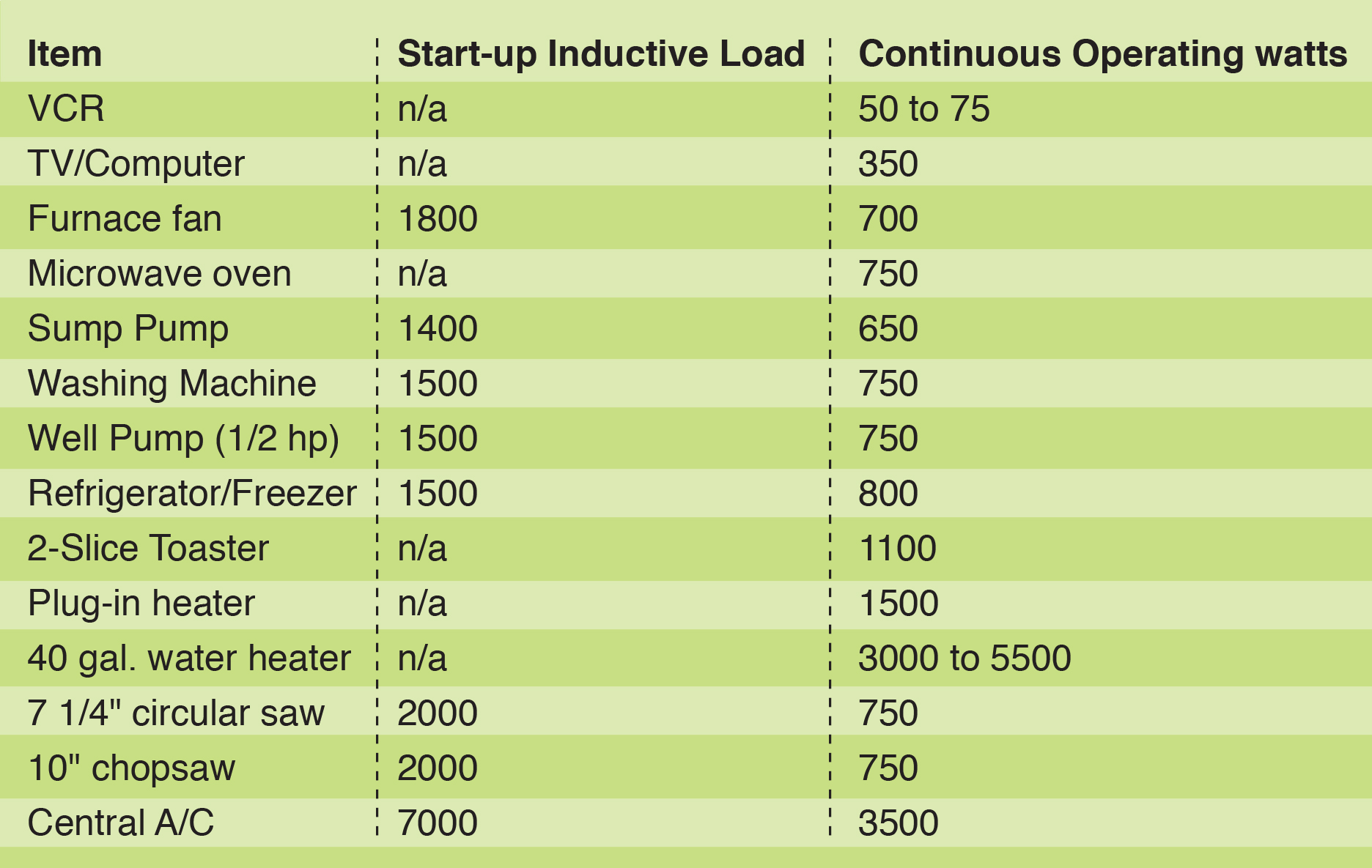
A generator wattage calculator is an essential tool for determining the appropriate size generator for your needs. It helps you calculate the total wattage required to power your electrical devices and ensures you select a generator that can handle the load without overloading.
There are various types of generators available, each with different power capabilities. Portable generators are typically used for recreational activities, camping, or as backup power during outages. They range from small models with limited wattage to larger units that can power multiple appliances simultaneously.
Types of Electrical Devices and Their Wattage Consumption
The wattage consumption of electrical devices varies greatly. Some common household appliances and their approximate wattage consumption include:
- Refrigerator: 500-1,500 watts
- Air conditioner: 1,500-5,000 watts
- Electric stove: 1,000-5,000 watts
- Microwave: 600-1,200 watts
- Television: 100-300 watts
Factors Affecting Generator Wattage: Generator Wattage Calculator
Understanding the factors that influence generator wattage requirements is crucial for selecting the appropriate generator for your specific needs. These factors include:
Starting Wattage vs. Running Wattage
Starting wattage refers to the initial surge of power required to start certain appliances or equipment. This is typically higher than the running wattage, which is the ongoing power needed to operate the device. When calculating wattage needs, consider both starting and running wattages to ensure the generator can handle the initial power surge.
Surge Wattage
Surge wattage is a temporary increase in power required by some appliances or equipment during startup. This surge can be several times higher than the running wattage. It’s important to factor in surge wattage when selecting a generator to avoid overloading the system and potential damage.
Continuous Wattage
Continuous wattage represents the sustained power output required to run appliances or equipment over an extended period. This is typically the most important factor to consider when choosing a generator, as it determines the generator’s ability to provide reliable power for extended durations.
Calculating Wattage Needs
To calculate your wattage needs, follow these steps:
- Identify the starting and running wattages of each appliance or equipment you plan to power with the generator.
- Add the starting wattages of all devices that will be starting simultaneously.
- Add the running wattages of all devices that will be running continuously.
- Include a safety margin of 20-30% to account for potential surges or future additions.
The result will be the minimum wattage requirement for your generator. Choosing a generator with a wattage capacity slightly higher than your calculated needs is recommended for optimal performance and longevity.
Using a Generator Wattage Calculator
Utilizing a generator wattage calculator is a straightforward process that empowers you to determine the appropriate generator size for your specific needs. Follow these steps to effectively use a generator wattage calculator:
Step 1: Identify Devices and Wattage, Generator wattage calculator
Compile a list of all the devices you intend to power with the generator. Determine the wattage of each device by referring to the manufacturer’s specifications or using online resources. Create a table with columns for device name, wattage, and quantity:
| Device Name | Wattage | Quantity |
|---|---|---|
| Refrigerator | 700 | 1 |
| Electric Heater | 1500 | 1 |
| Television | 200 | 1 |
| Laptop | 60 | 2 |
Enter the wattage and quantity for each device into the calculator.
Step 2: Calculate Starting Wattage
Identify the devices that require a higher wattage to start up, such as refrigerators and air conditioners. Multiply the starting wattage of these devices by their respective quantities. Add this value to the total wattage of all the devices.
Step 3: Calculate Running Wattage
Multiply the running wattage of each device by its quantity. Sum these values to obtain the total running wattage.
Step 4: Interpret Results
The calculator will provide you with the recommended generator wattage. This value represents the minimum wattage required to power all your devices simultaneously. Choose a generator with a wattage that meets or exceeds this recommended value to ensure reliable operation.
Advanced Considerations

Selecting a generator goes beyond wattage alone. Additional factors play a crucial role in choosing the ideal model for your specific needs.
Fuel Type and Efficiency
Consider the type of fuel the generator will use. Gasoline-powered generators are widely available and offer a good balance of power and portability. Diesel generators provide greater fuel efficiency but are typically more expensive. Propane generators offer a clean-burning alternative, while solar generators harness renewable energy but may have limitations in cloudy conditions.
Noise Level
Generator noise can be a concern, especially if you plan to use it in residential areas or during quiet hours. Look for generators with lower decibel ratings for quieter operation.
Portability
If portability is essential, consider the weight and size of the generator. Smaller, lightweight generators are easier to transport and store, but they may have limited power output. For heavy-duty applications, larger generators provide more power but require additional effort to move.
Tips for Selecting the Right Generator
- Identify your power needs accurately to avoid oversizing or undersizing the generator.
- Consider the runtime required and choose a generator with an appropriate fuel tank capacity.
- Research different brands and models to find the best combination of features and reliability.
- Consider the environmental impact of fuel type and noise levels.
- Consult with a professional electrician if you have any doubts or require a permanent generator installation.
End of Discussion
With a generator wattage calculator at your fingertips, you gain the power to confidently choose the generator that aligns seamlessly with your requirements. Consider fuel type, efficiency, noise level, and portability to optimize your selection. Whether powering essential appliances during an outage or embarking on an off-grid adventure, this guide equips you with the knowledge to make an informed decision.