
Curve grading calculator, an indispensable tool in the academic landscape, unveils a world of possibilities for educators and students alike. It empowers instructors with the ability to tailor grading practices, ensuring fairness and fostering student success.
Delving into the intricacies of curve grading, this comprehensive guide explores its benefits and challenges, guiding you through the process of designing a user-friendly and accurate calculator. Discover the vielfältige applications of curve grading calculators, unlocking their potential to revolutionize grading practices and enhance student learning.
Curve Grading Overview
Curve grading is a method of grading that adjusts student grades based on the overall performance of the class. This method is often used to ensure that the grades accurately reflect the students’ understanding of the material and to prevent students from being penalized for taking a difficult class or having a particularly challenging semester.
There are several different methods that can be used for curve grading. One common method is to adjust the grades so that the average grade for the class is a certain percentage, such as 80%. Another method is to adjust the grades so that a certain percentage of students receive a certain grade, such as 20% of students receiving an A.
Curve Grading in Practice
Curve grading can be applied in a variety of different settings. It is often used in college courses, especially in large lecture classes. It can also be used in high school courses and even in elementary school classes.
Here are some examples of how curve grading can be applied in practice:
- In a college course, the professor may decide to curve the grades so that the average grade for the class is 80%. This means that the professor will adjust the grades so that the average grade is 80%, even if the students’ raw scores would have resulted in a lower average.
- In a high school course, the teacher may decide to curve the grades so that 20% of the students receive an A. This means that the teacher will adjust the grades so that 20% of the students receive an A, even if the students’ raw scores would have resulted in a lower percentage of students receiving an A.
Benefits and Challenges of Curve Grading
Curve grading is a grading method where the distribution of student grades is adjusted to fit a predetermined curve. This can be done to ensure that a certain percentage of students receive a particular grade or to adjust for the difficulty of an exam.
There are several potential benefits to using curve grading. First, it can help to ensure that students are graded fairly, regardless of the difficulty of the exam. Second, it can help to motivate students to do well, as they know that they will be competing against a set standard rather than against each other.
Third, it can help to reduce grade inflation, as it prevents students from receiving high grades simply because the exam was easy.
However, there are also some challenges and drawbacks associated with curve grading. First, it can be difficult to determine the appropriate curve to use. If the curve is too generous, it can lead to grade inflation. If the curve is too strict, it can make it difficult for students to achieve high grades.
Second, curve grading can be unfair to students who perform well on difficult exams. These students may end up with a lower grade than students who perform poorly on easy exams.
Overall, curve grading is a complex issue with both benefits and drawbacks. It is important to weigh the pros and cons carefully before deciding whether or not to use curve grading in your classroom.
Benefits of Curve Grading
- Ensures that students are graded fairly, regardless of the difficulty of the exam.
- Motivates students to do well, as they know that they will be competing against a set standard rather than against each other.
- Helps to reduce grade inflation, as it prevents students from receiving high grades simply because the exam was easy.
Challenges and Drawbacks of Curve Grading
- Can be difficult to determine the appropriate curve to use.
- Can be unfair to students who perform well on difficult exams.
- Can lead to grade inflation if the curve is too generous.
- Can make it difficult for students to achieve high grades if the curve is too strict.
Designing a Curve Grading Calculator
Designing a curve grading calculator involves creating a tool that can effectively transform raw scores into curved grades based on a specified curve distribution. To achieve this, several key components are essential:
Key Components of a Curve Grading Calculator
- Data Input:The calculator should allow users to input raw scores for each student.
- Curve Distribution:The calculator should provide options for different curve distributions, such as bell curve, normal distribution, or custom curves.
- Grading Scale:The calculator should allow users to define the grading scale to be used for the curved grades.
- Output:The calculator should display the curved grades for each student.
Designing for User-Friendliness and Accuracy
To ensure the calculator is user-friendly and accurate, consider the following design principles:
- Intuitive Interface:The calculator should be easy to navigate and understand, with clear instructions and labels.
- Data Validation:The calculator should check for errors in input data, such as missing or invalid scores.
- Accuracy:The calculator should use reliable mathematical algorithms to calculate curved grades accurately.
- Customization:The calculator should allow users to customize the curve distribution and grading scale to suit their specific needs.
Creating a Curve Grading Calculator Using HTML Table Tags
A simple curve grading calculator can be created using HTML table tags:
Step 1:Create a table with two columns: one for raw scores and one for curved grades.
Step 2:Add a form to the table, allowing users to input raw scores.
Step 3:Create a script that calculates the curved grades based on the raw scores and curve distribution.
Step 4:Display the curved grades in the table.
Example HTML code:
Raw Score Curved Grade
Applications of Curve Grading Calculators
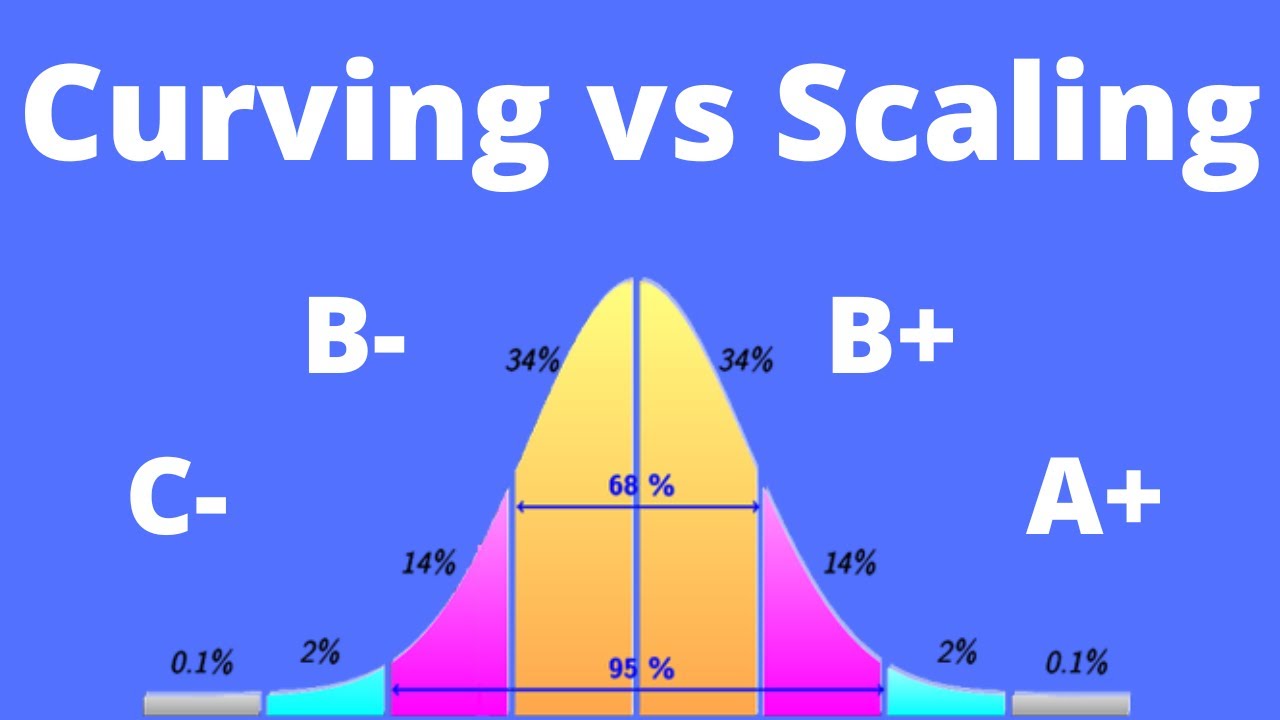
Curve grading calculators are versatile tools that offer a range of applications in education. Educators can leverage these calculators to improve grading practices, enhance student learning, and promote a more equitable and transparent assessment system.
One of the primary uses of curve grading calculators is to adjust raw scores based on the distribution of grades within a class. This allows educators to account for variations in student performance and ensure that grades reflect the overall level of achievement.
By applying a curve, educators can ensure that the distribution of grades aligns with the desired distribution, such as a bell curve or a normal distribution.
Example: Adjusting for Class Difficulty
For instance, if a class performs exceptionally well on an exam, a curve grading calculator can be used to adjust the raw scores downward to maintain a consistent level of grading across different classes or semesters. This ensures that students are not penalized for taking a more challenging class or for being in a cohort with particularly strong students.
Summary
Curve grading calculators stand as a testament to the transformative power of technology in education. By embracing this tool, educators can unlock a world of possibilities, empowering students to reach their full potential. As we continue to explore the frontiers of curve grading, the future holds endless opportunities for innovation and academic excellence.
