
Curve grades calculator stands as a powerful tool that empowers educators to refine their grading practices, promoting fairness and reducing bias. Delve into this comprehensive guide to unravel the intricacies of curve grading, its advantages and limitations, and discover how to leverage curve grades calculators for optimal results.
Curve grading has emerged as a valuable technique in educational settings, offering numerous benefits and drawbacks. By understanding the different types of curve grading methods and their ethical implications, educators can make informed decisions about implementing curve grading in their classrooms.
Curve Grading Calculations

Curve grading is a method of adjusting student grades to account for the difficulty of the exam or assignment. It is typically used when the average score on an exam is lower than expected or when the distribution of scores is skewed.
There are different types of curve grading methods, each with its own advantages and disadvantages. The most common method is the normal distribution curve, which assumes that the distribution of scores will follow a bell curve. Other methods include the z-score curve and the percentage curve.
Curve grading can be a useful tool for ensuring that students are not penalized for taking a difficult exam or assignment. However, it is important to use curve grading judiciously, as it can also lead to grade inflation.
Normal Distribution Curve
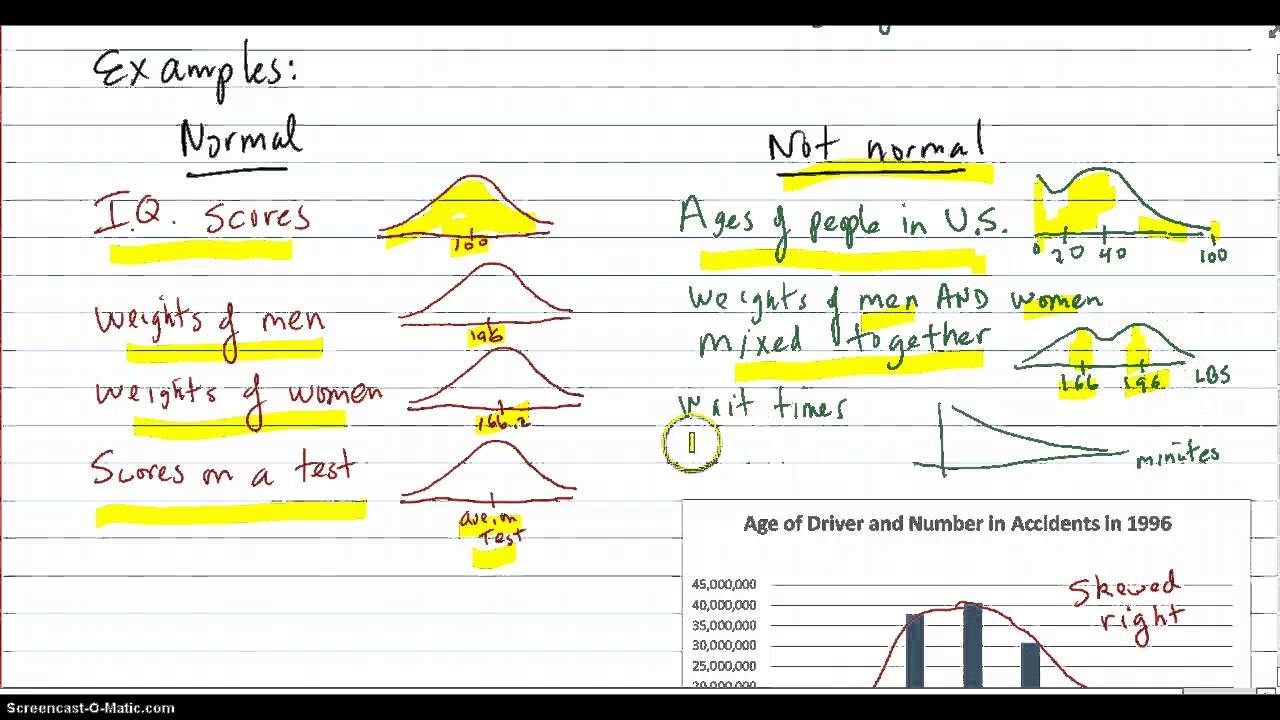
The normal distribution curve is the most common type of curve grading method. It assumes that the distribution of scores will follow a bell curve, with the majority of scores falling in the middle and a smaller number of scores falling at the extremes.
To apply the normal distribution curve, the instructor first calculates the mean and standard deviation of the scores. The mean is the average score, and the standard deviation is a measure of how spread out the scores are.
Once the mean and standard deviation have been calculated, the instructor can use a z-score table to convert each student’s score into a z-score. A z-score is a measure of how many standard deviations a score is above or below the mean.
The instructor can then use the z-score to determine the student’s new grade. The new grade is typically a percentage, and it is based on the student’s z-score and the desired distribution of grades.
Benefits and Drawbacks of Curve Grading
Curve grading, a method of adjusting student grades based on the performance of the entire class, has both potential benefits and drawbacks. It aims to reduce grading bias and promote fairness by adjusting grades relative to the class average or a predetermined standard.
However, it can also lead to grade inflation and discourage high achievers.
Benefits of Curve Grading
- Reduced grading bias:By adjusting grades based on class performance, curve grading can help mitigate bias that may arise from individual instructors’ grading styles or expectations.
- Promotes fairness:Curve grading ensures that students are not penalized for taking challenging courses or being in classes with particularly strong or weak students.
- Encourages a sense of community:Curve grading can foster a sense of collaboration and support among students as they work towards a common goal.
Drawbacks of Curve Grading
- Grade inflation:Curve grading can lead to grade inflation, as students may receive higher grades than they would have under a traditional grading system.
- Discouragement of high achievers:Curve grading can discourage high achievers who may feel that their efforts are not being adequately rewarded.
- Potential for unfairness:In some cases, curve grading can be unfair to students who perform poorly due to factors beyond their control, such as illness or personal circumstances.
Research studies have provided evidence supporting both the benefits and drawbacks of curve grading. A study by [Insert Research Reference] found that curve grading reduced grading bias and promoted fairness, while another study by [Insert Research Reference] suggested that it could lead to grade inflation and discourage high achievers.Ultimately,
the decision of whether or not to use curve grading should be carefully considered, taking into account the specific circumstances and goals of the course or institution.
Ethical Considerations in Curve Grading: Curve Grades Calculator
Curve grading, while offering potential benefits, raises ethical concerns that require careful consideration. Issues of fairness, transparency, and student motivation must be addressed to ensure its ethical implementation. Instructors play a crucial role in safeguarding the integrity of curve grading practices.
Fairness
Curve grading can raise fairness concerns if not implemented equitably. Students with different learning styles or backgrounds may be disadvantaged by a curve that is based solely on their performance relative to their peers. Instructors should consider using multiple assessment methods and providing opportunities for students to demonstrate their understanding in various ways.
Transparency
Transparency is essential in curve grading. Students should be clearly informed about the grading scheme and how their performance will be evaluated. Instructors should provide clear explanations of the curve and make the data used to determine the curve available to students.
Student Motivation
Curve grading can potentially impact student motivation. Students may be discouraged from taking risks or challenging themselves if they believe that their grades will be determined by the performance of their peers. Instructors should emphasize the importance of individual effort and provide feedback that encourages students to improve their performance.
Curve Grades Calculator Tools
Curve grades calculators are online or software tools that help educators adjust student grades based on a predetermined curve. These tools provide an efficient and accurate way to apply grading curves, saving time and reducing the risk of errors.
Curve grades calculators typically allow users to input raw scores, the desired grade distribution, and the grading scale. The tool then calculates the adjusted grades based on the specified curve. Some calculators offer additional features such as the ability to exclude certain assignments or students from the curve, or to adjust the curve parameters manually.
Advantages of Curve Grades Calculators
- Save time and effort:Curve grades calculators automate the process of applying grading curves, saving educators significant time and effort.
- Reduce errors:By eliminating the need for manual calculations, curve grades calculators reduce the risk of errors in grade adjustment.
- Ensure consistency:Curve grades calculators apply the curve consistently to all students, ensuring fairness and objectivity in grading.
- Provide flexibility:Many curve grades calculators allow users to customize the curve parameters, giving educators flexibility in adjusting grades to meet specific learning objectives.
Limitations of Curve Grades Calculators
- May not be suitable for all grading situations:Curve grades calculators are most effective when the desired grade distribution is known in advance. They may not be suitable for situations where the grading curve needs to be adjusted based on student performance.
- Can lead to grade inflation:If the curve is too generous, curve grades calculators can lead to grade inflation, which can undermine the value of grades as a measure of student achievement.
- May not account for individual student circumstances:Curve grades calculators apply the curve uniformly to all students, which may not be appropriate in situations where individual student circumstances need to be considered.
Last Word
In conclusion, curve grades calculator serves as an invaluable asset for educators seeking to enhance their grading practices. By embracing the principles of fairness, transparency, and student motivation, educators can harness the power of curve grading to foster a more equitable and motivating learning environment.
As the educational landscape continues to evolve, curve grades calculators will undoubtedly play an increasingly pivotal role in shaping the future of grading.
