The Cumulative GPA Calculator emerges as an invaluable tool, empowering students to meticulously calculate and scrutinize their academic progress. Its comprehensive capabilities extend to a wide range of transcript formats, enabling users to navigate the intricacies of various grading systems with ease.
Beyond mere calculation, this remarkable tool empowers users to manage multiple transcripts, seamlessly combining data from different schools or semesters. It deftly handles duplicate courses and transfer credits, ensuring accuracy and precision in every computation.
Calculate GPA from Transcripts
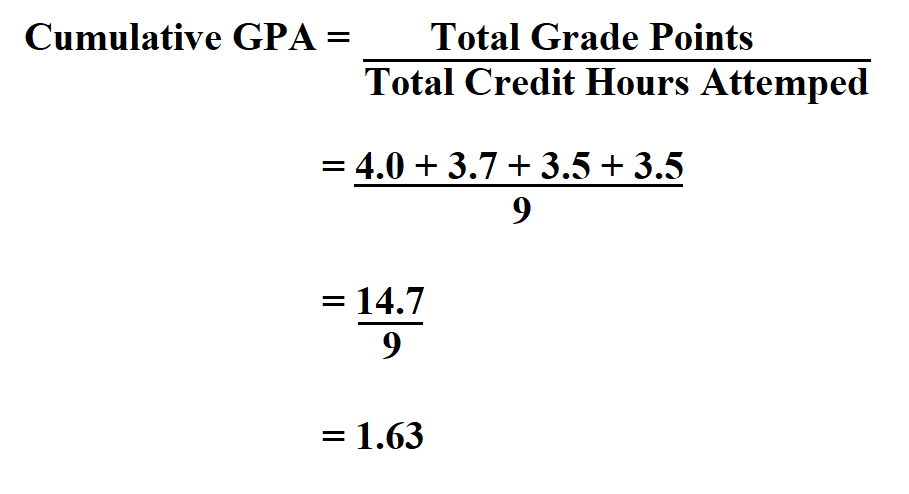
Calculating GPA from transcripts can be straightforward using our calculator. Here’s a step-by-step guide to help you get started:
Step 1: Input Transcript Data
Begin by entering your transcript data into the designated fields. Ensure you accurately input your grades, credit hours, and course levels.
Step 2: Select Grading Scale
Our calculator accommodates various grading scales. Choose the scale that corresponds to your transcript. This will enable the calculator to convert your grades into numerical values.
Step 3: Specify Weighting (Optional)
If your transcript includes weighted grades, you can opt to calculate your GPA with or without weighting. If you choose to include weighting, enter the appropriate weight values.
Step 4: Calculate GPA
Once you have entered all the necessary information, click on the “Calculate GPA” button. The calculator will process your data and display your GPA.
Manage Multiple Transcripts
The GPA calculator offers seamless management of multiple transcripts, enabling you to combine academic records from various schools or semesters into a single comprehensive view.
Combining transcripts allows you to track your overall academic performance across different institutions and time periods, providing a holistic perspective of your educational journey.
Combining Transcripts
To combine transcripts, simply upload or enter the necessary information from each institution. The calculator will automatically merge the data, calculating your cumulative GPA based on the combined coursework.
Handling Duplicate Courses
In cases where you have taken the same course at multiple institutions, the calculator provides options for handling duplicate entries.
- Average Grades: Calculate the average grade for the duplicate courses, providing a blended score.
- Highest Grade: Use the highest grade earned for the duplicate courses, reflecting your best performance.
- Remove Duplicates: Exclude duplicate courses from the calculation, ensuring that your GPA is not inflated.
Transfer Credits
If you have transferred credits from one institution to another, the calculator allows you to incorporate these credits into your cumulative GPA calculation.
Do not overlook explore the latest data about BMI calculator for children.
When entering transfer credits, be sure to indicate the original institution and the number of credits transferred. The calculator will automatically adjust your GPA based on the transferred coursework.
Customize GPA Calculations

GPA calculations can be customized to accommodate various grading scales and educational systems. This allows for a more accurate representation of academic performance and facilitates comparisons across different institutions.
There are several methods for customizing GPA calculations, including:
Setting Up Different GPA Systems
Different GPA systems exist, such as the 4.0 and 5.0 scales. The 4.0 scale assigns a numerical value to each letter grade, with 4.0 representing the highest grade (A). The 5.0 scale follows a similar principle, but with a maximum grade of 5.0.
To set up a different GPA system, you need to define the numerical values for each letter grade. For example, in a 5.0 GPA system, you might assign the following values:
- A = 5.0
- B = 4.0
- C = 3.0
- D = 2.0
- F = 0.0
Calculating GPA with Extra Credit, Cumulative GPA calculator
Extra credit is a common practice in many educational institutions. It allows students to earn additional points towards their final grade, potentially improving their GPA.
To calculate GPA with extra credit, you need to determine the weight of the extra credit. This weight is typically expressed as a percentage of the total grade. For example, if extra credit is worth 10% of the final grade, then you would multiply the extra credit points by 0.1 and add the result to the student’s overall grade before calculating the GPA.
Calculating GPA with Pass/Fail Courses
Pass/fail courses are another common feature in educational institutions. These courses do not assign letter grades, but rather indicate whether the student passed or failed.
When calculating GPA with pass/fail courses, you need to decide how to handle these courses. One common approach is to assign a numerical value to passing grades, such as 2.0 for passing and 0.0 for failing. Another approach is to simply exclude pass/fail courses from the GPA calculation.
Visualize and Analyze GPA Data
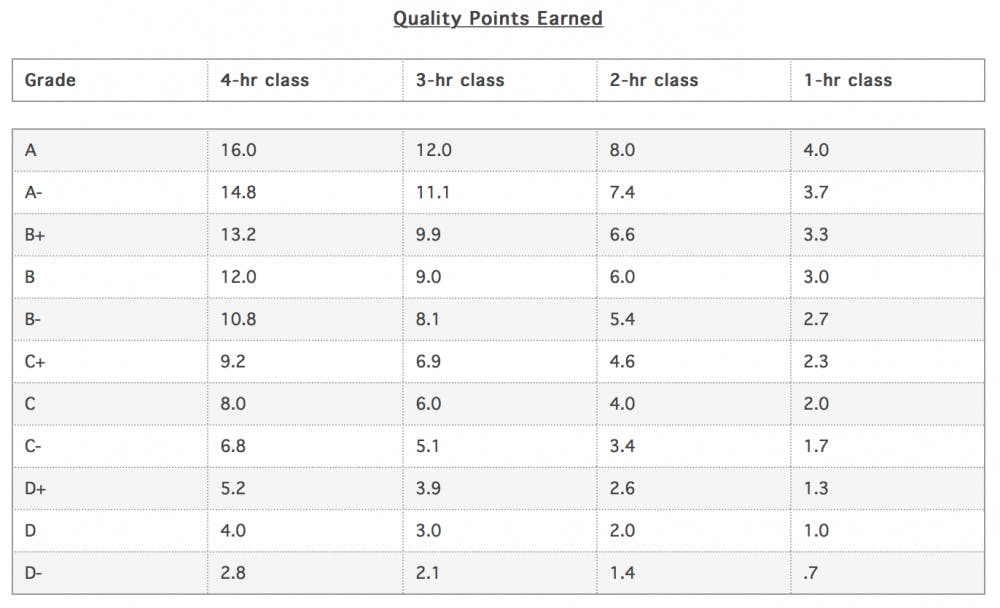
To effectively track and analyze your academic progress, it is essential to visualize and analyze your GPA data. This section provides insights into creating visual representations and leveraging them to identify areas of improvement and set realistic GPA goals.
Create Visual Representations
- HTML Table: Create an HTML table that displays the calculated GPA for each transcript, making it easy to compare GPAs across different transcripts.
- Charts and Graphs: Generate charts and graphs to visualize GPA trends over time. Line graphs can show how your GPA has changed over the course of your academic career, while bar charts can compare GPAs across different semesters or courses.
Identify Areas of Improvement
Visualizing your GPA data allows you to identify areas where you may need to improve. By analyzing trends and patterns in your GPA, you can pinpoint specific courses or semesters where you struggled and focus on developing strategies to improve your performance in those areas.
Set GPA Goals
Once you have identified areas of improvement, you can set realistic GPA goals. Consider your current GPA, your desired GPA, and the time frame you have to achieve your goal. Breaking down your goal into smaller, manageable steps can make it more achievable and less overwhelming.
Final Wrap-Up
In conclusion, the Cumulative GPA Calculator stands as an indispensable resource for students seeking to gain a comprehensive understanding of their academic achievements. Its versatility, coupled with its user-friendly interface, makes it an indispensable tool for academic planning, goal setting, and ultimately, success in higher education.
Question & Answer Hub: Cumulative GPA Calculator
Can the calculator handle transcripts from different grading scales?
Yes, the calculator allows users to customize GPA calculations based on specific grading scales, ensuring accurate results regardless of the transcript format.
How does the calculator manage duplicate courses?
The calculator provides options for handling duplicate courses, enabling users to select the most appropriate method for their specific situation, ensuring that grades are counted correctly.
Can the calculator generate visual representations of GPA data?
Yes, the calculator offers the ability to create charts and graphs, providing users with a visual representation of their GPA trends over time, facilitating the identification of areas for improvement and goal setting.