The BMI calculator for children is an essential tool for parents and healthcare professionals to monitor a child’s weight status and growth. It provides a simple and accurate way to assess whether a child is at a healthy weight for their age and gender.
BMI, or Body Mass Index, is a measure of body fat based on height and weight. For children, BMI is calculated differently than for adults, as their bodies are still developing. The BMI calculator for children takes into account a child’s age and gender to provide an accurate assessment of their weight status.
Body Mass Index (BMI) Calculator for Children
Body Mass Index (BMI) is a measure of body fat based on height and weight. It is a useful tool for assessing whether a child is underweight, overweight, or at a healthy weight.
Calculating BMI for Children
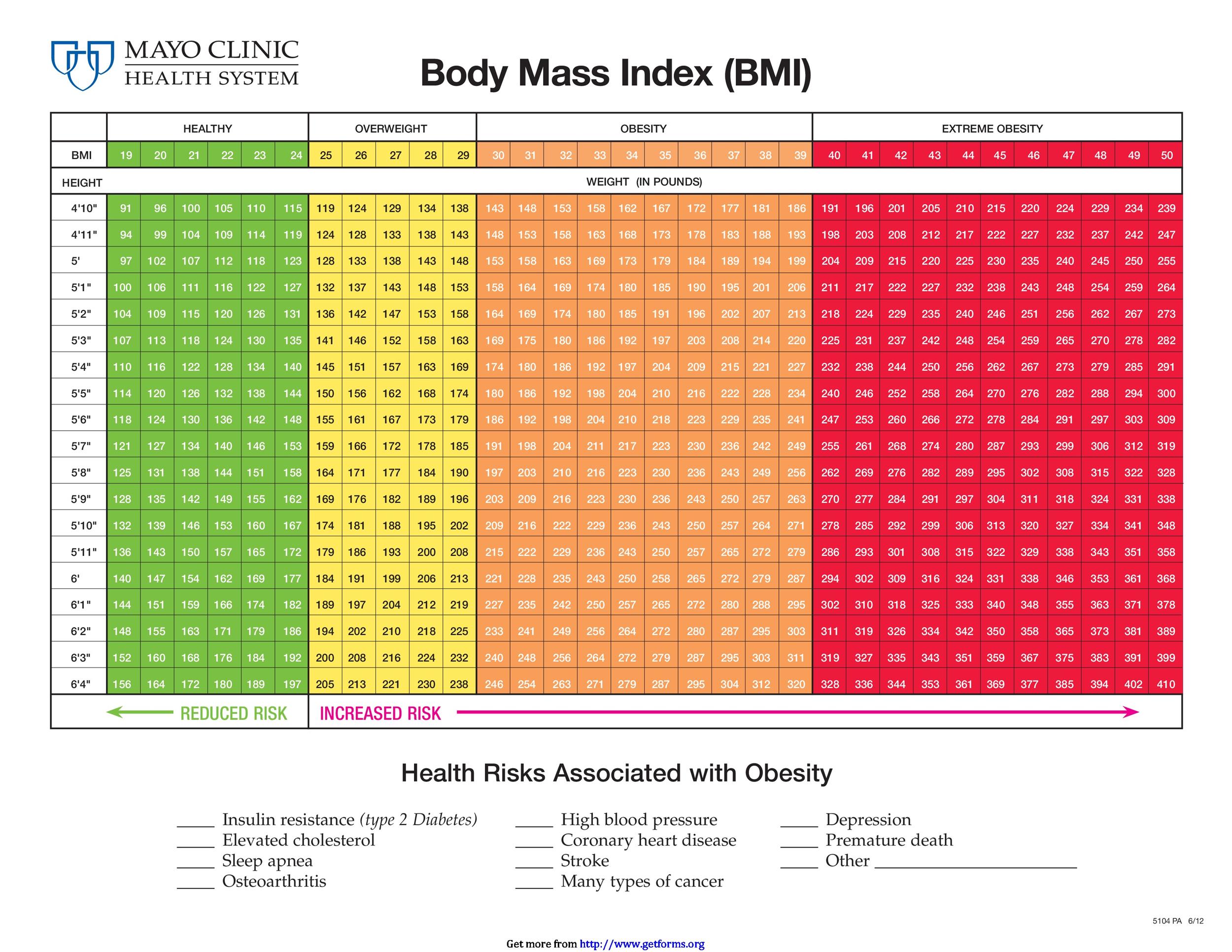
The formula for calculating BMI for children is:
BMI = weight (kg) / height (m2)
Where:
- Weight is in kilograms
- Height is in meters
BMI Categories for Children
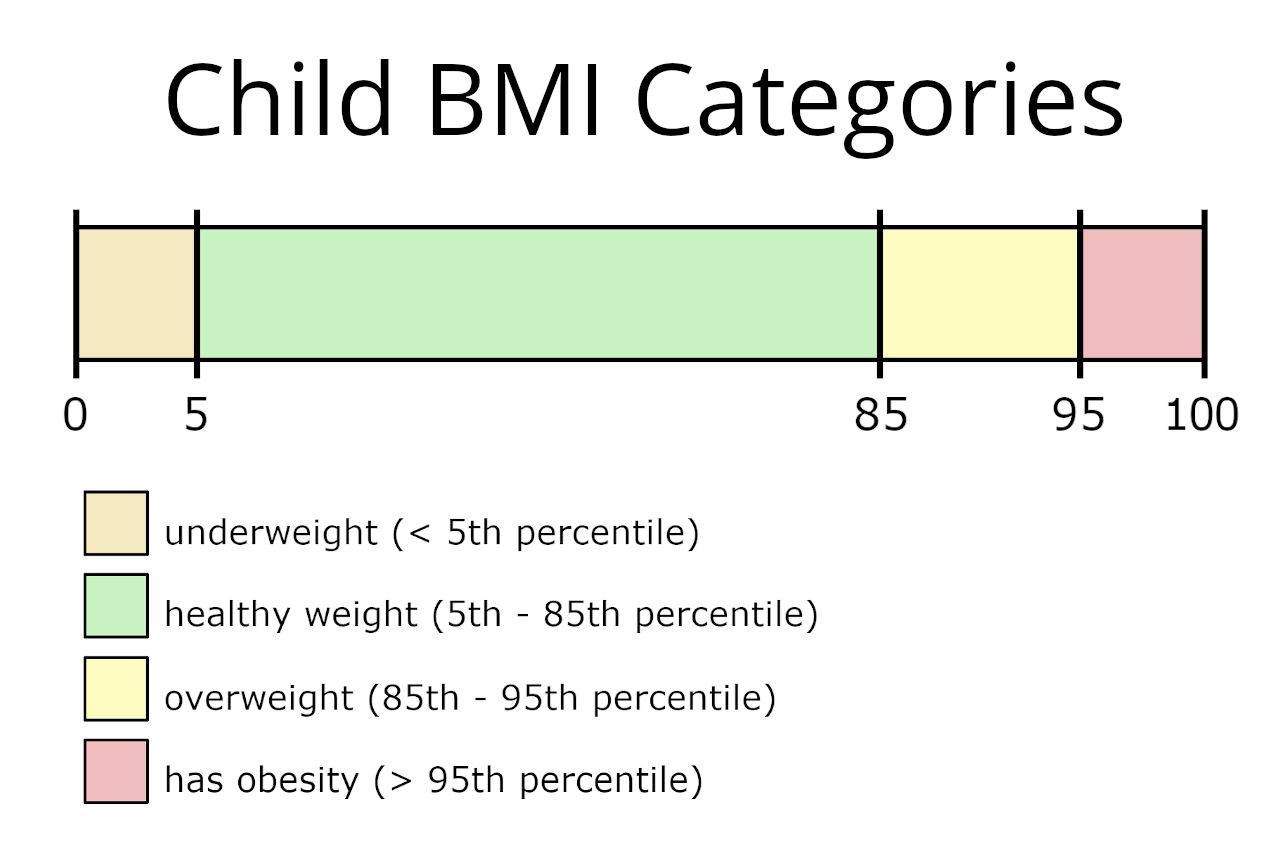
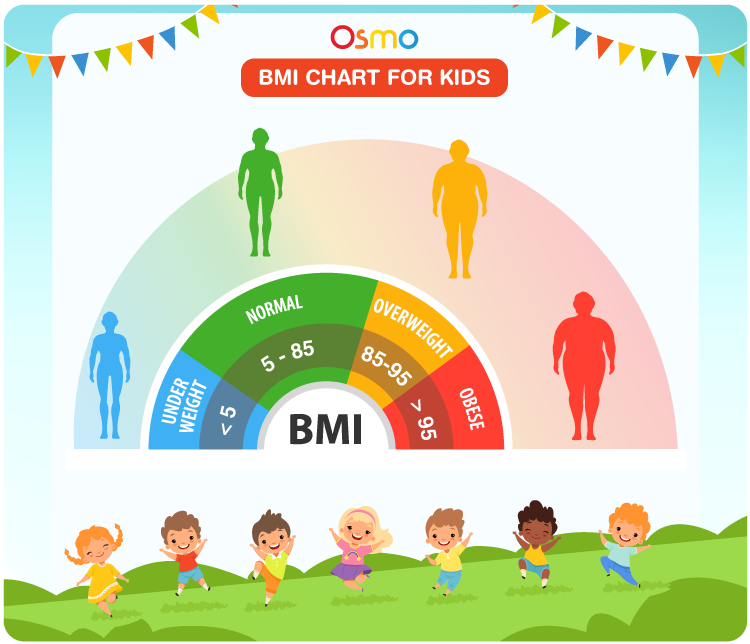
BMI categories for children are different from those for adults. The following table shows the BMI categories for children and adolescents aged 2 to 19 years:
| BMI Category | BMI Range |
|---|---|
| Underweight | Less than the 5th percentile |
| Healthy Weight | 5th percentile to less than the 85th percentile |
| Overweight | 85th percentile to less than the 95th percentile |
| Obese | 95th percentile or greater |
It is important to note that BMI is just one measure of a child’s health. Other factors, such as body fat percentage, muscle mass, and overall fitness, should also be considered when assessing a child’s weight status.
Benefits of Using a BMI Calculator for Children

Utilizing a BMI calculator for children offers numerous advantages in assessing their weight status. It provides valuable insights into their growth and development, enabling parents and healthcare professionals to make informed decisions regarding their health and well-being.
Monitoring Growth and Development
BMI is an indicator of a child’s weight relative to their height. By tracking BMI over time, healthcare professionals can monitor children’s growth patterns and ensure they are developing at a healthy pace. Deviations from the expected BMI range can signal potential growth concerns, prompting further evaluation and intervention.
Identifying Weight-Related Health Risks
BMI can help identify children who may be at risk for weight-related health problems, such as obesity, heart disease, and diabetes. Children with a high BMI are more likely to develop these conditions later in life. By using a BMI calculator, healthcare professionals can assess a child’s risk and implement preventive measures to promote healthy weight management.
You also can investigate more thoroughly about Mortgage payment calculator with adjustable rate to enhance your awareness in the field of Mortgage payment calculator with adjustable rate.
Limitations of BMI Calculators for Children: BMI Calculator For Children
BMI calculators for children have certain limitations that should be considered when interpreting the results. These limitations include the influence of age, gender, and body composition.
Influence of Age and Gender
The BMI values for children vary depending on their age and gender. This is because the body composition of children changes as they grow and develop. For example, younger children tend to have a higher percentage of body fat than older children, and boys generally have a higher percentage of muscle mass than girls.
Influence of Body Composition
BMI does not take into account body composition, which can vary significantly among children. For example, a child who is very muscular may have a high BMI, even if they are not overweight or obese. Conversely, a child who is very lean may have a low BMI, even if they are overweight or obese.
Importance of Considering Other Factors
Due to the limitations of BMI calculators, it is important to consider other factors when assessing a child’s weight status. These factors include:
- Growth patterns
- Body fat percentage
- Muscle mass
li>Overall health and well-being
Situations Where BMI May Not Be Accurate
There are certain situations where BMI may not be an accurate indicator of a child’s health. These situations include:
- Children who are very muscular
- Children who are very lean
- Children who are pregnant
- Children who have certain medical conditions, such as heart disease or kidney disease
Using BMI Calculators Responsibly
While BMI calculators can be helpful tools, it’s crucial to use them responsibly to avoid misinterpretations or misuse. Consulting with healthcare professionals before making any decisions based on BMI results is essential.
Importance of Consulting Healthcare Professionals
- Healthcare professionals can assess a child’s overall health, including factors that may affect BMI, such as growth patterns, body composition, and medical conditions.
- They can interpret BMI results in the context of the child’s individual circumstances and provide personalized guidance on diet and exercise.
Tips for Interpreting BMI Results, BMI calculator for children
- Remember that BMI is just one measure of a child’s health and should not be used as the sole determinant of weight status.
- Consider the child’s age, gender, and ethnicity when interpreting BMI results. Different BMI ranges apply to different groups.
- Avoid using BMI calculators for children under the age of 2 or for children who are very tall or very short.
Making Informed Choices
- Use BMI results as a starting point for conversations with healthcare professionals about a child’s health and well-being.
- Consider lifestyle factors, such as diet, exercise, and sleep, that may influence a child’s BMI.
- Focus on promoting healthy habits and a balanced lifestyle rather than solely relying on BMI to determine a child’s health.
Outcome Summary
Using the BMI calculator for children can help parents and healthcare professionals identify children who may be at risk for weight-related health problems, such as obesity or underweight. It can also help track a child’s growth and development over time to ensure they are on a healthy trajectory.
However, it’s important to note that BMI is just one measure of a child’s health and should not be used as the sole indicator of their overall well-being. Other factors, such as diet, exercise, and family history, should also be considered when assessing a child’s health.
User Queries
What is the BMI calculator for children?
The BMI calculator for children is a tool that calculates a child’s BMI based on their height and weight. It takes into account a child’s age and gender to provide an accurate assessment of their weight status.
How do I use the BMI calculator for children?
To use the BMI calculator for children, you will need to know your child’s height and weight. You can then enter this information into the calculator to get your child’s BMI.
What do the BMI categories mean?
The BMI categories for children are:
- Underweight: BMI below the 5th percentile
- Healthy weight: BMI between the 5th and 85th percentile
- Overweight: BMI between the 85th and 95th percentile
- Obese: BMI above the 95th percentile
What are the limitations of the BMI calculator for children?
The BMI calculator for children is not a perfect measure of a child’s health. It does not take into account factors such as muscle mass, bone density, or body composition. Therefore, it is important to consider other factors when assessing a child’s health.