Bone age calculators, invaluable tools in the medical realm, unveil the intricacies of skeletal growth, offering insights into developmental milestones and health conditions. From assessing growth disorders to predicting adult height, these calculators empower clinicians with a deeper understanding of the human body’s growth journey.
Delving into the methods of bone age assessment, we explore the Greulich-Pyle and Tanner-Whitehouse techniques, unraveling the steps and factors involved in determining skeletal maturity. Accuracy and reliability are paramount, ensuring that bone age analysis provides reliable information for informed clinical decisions.
Understanding Bone Age Calculators
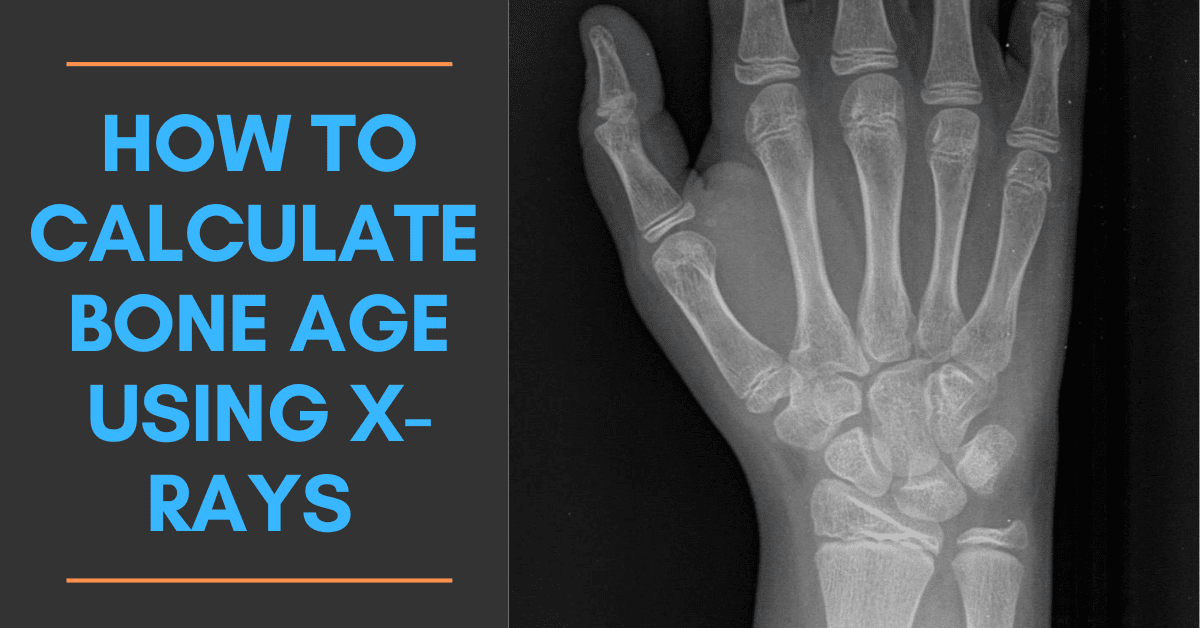
Bone age calculators are valuable tools used in medical evaluations to assess an individual’s skeletal maturity. By analyzing the development of bones, particularly in the hands and wrists, these calculators provide insights into a person’s biological age, which may differ from their chronological age.
Different types of bone age calculators exist, each tailored to specific applications. Some common methods include the Greulich-Pyle Atlas, Tanner-Whitehouse method, and TW3 method. These calculators utilize X-ray images of the hand and wrist, comparing them to standardized reference images or mathematical models to determine bone age.
Limitations and Potential Errors
While bone age calculators offer valuable information, it’s important to be aware of their limitations. Accuracy can be affected by factors such as ethnic background, nutritional status, and underlying medical conditions. Additionally, errors may arise due to variations in X-ray techniques or subjective interpretation of the images.
Methods for Assessing Bone Age
Determining bone age is crucial for evaluating a child’s growth and development. Several methods are commonly employed to assess bone age, each with its unique characteristics and applications.
Greulich-Pyle Method
The Greulich-Pyle method is a widely used technique for assessing bone age. It involves comparing X-ray images of a child’s hand and wrist to a set of standardized reference images. The reference images represent different stages of bone development, and the child’s bone age is determined by matching their X-ray to the closest reference image.
This method considers the size, shape, and density of various bones in the hand and wrist, including the phalanges, metacarpals, and carpals. The assessment takes into account the presence or absence of specific ossification centers and the degree of epiphyseal fusion.
The Greulich-Pyle method is known for its accuracy and reliability, making it a valuable tool for assessing bone age in children. However, it requires specialized training and experience to interpret the X-rays accurately.
Tanner-Whitehouse Method
The Tanner-Whitehouse method is another commonly used technique for assessing bone age. It involves comparing X-ray images of a child’s left hand and forearm to a set of standardized reference images. The reference images represent different stages of bone development, and the child’s bone age is determined by matching their X-ray to the closest reference image.
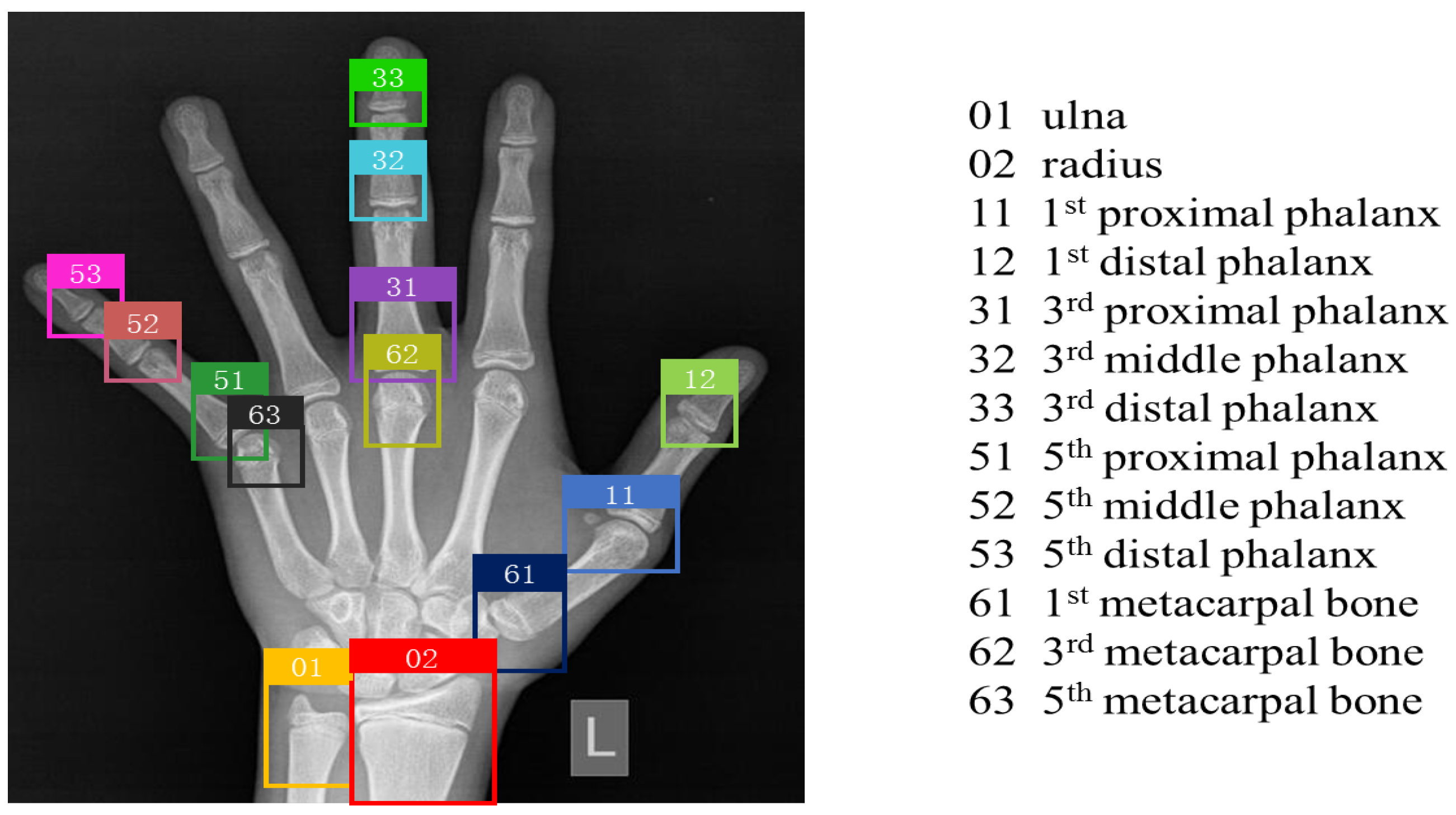
This method considers the development of 20 specific bones in the hand and forearm, including the phalanges, metacarpals, carpals, radius, and ulna. The assessment takes into account the size, shape, and density of these bones, as well as the presence or absence of specific ossification centers and the degree of epiphyseal fusion.
The Tanner-Whitehouse method is known for its accuracy and reliability, making it a valuable tool for assessing bone age in children. It is particularly useful for assessing bone age in older children and adolescents, as it considers a wider range of bones than the Greulich-Pyle method.
Applications of Bone Age Analysis
Bone age analysis finds widespread applications in clinical practice, forensic investigations, and anthropological studies. Its versatility stems from its ability to assess skeletal maturity and predict future growth patterns.
Clinical Practice, Bone age calculator
- Evaluating Growth Disorders:Bone age analysis helps identify children with growth disorders, such as growth hormone deficiency or precocious puberty, by comparing their skeletal maturity to chronological age.
- Predicting Adult Height:By analyzing bone age, clinicians can estimate a child’s potential adult height, aiding in growth monitoring and treatment planning.
- Assessing Skeletal Maturity:Bone age analysis plays a crucial role in determining skeletal maturity for legal purposes, such as assessing the age of minors involved in criminal cases or determining the age of consent.
Forensic Investigations and Anthropological Studies
- Identifying Age of Deceased Individuals:In forensic investigations, bone age analysis aids in estimating the age of deceased individuals, particularly when other identification methods are unavailable.
- Determining Population Health:Anthropologists use bone age analysis to study population health and growth patterns over time, providing insights into factors influencing skeletal development.
Ethical Considerations and Biases
While bone age analysis is a valuable tool, ethical considerations and potential biases must be acknowledged. These include the need for informed consent, privacy concerns, and the potential for misinterpretation due to factors such as ethnicity and socioeconomic status.
Creating a Comprehensive Report
To effectively convey bone age analysis results, a structured report format is essential. This report should be organized into clear sections, ensuring both accuracy and readability.
Patient Information
The report should commence with patient information, including name, age, sex, and any relevant medical history. This provides context for the subsequent analysis.
Assessment Methods
This section should Artikel the specific methods used for bone age assessment, such as the Greulich-Pyle or Tanner-Whitehouse methods. Any modifications or variations employed should also be noted.
Findings
The findings section should present the numerical bone age determined from the analysis. It is beneficial to include both the chronological age and the bone age for comparison.
For enhanced clarity, data can be presented in tables or graphs. For instance, a table could display the bone age values for different skeletal regions, while a graph could illustrate the bone age progression over time.
Interpretations
The final section should provide an interpretation of the findings, considering the patient’s chronological age and any relevant clinical factors. It should discuss the implications of the bone age analysis, such as growth potential, skeletal maturity, or potential developmental disorders.
Last Recap: Bone Age Calculator
Bone age analysis, a versatile tool in clinical practice and beyond, extends its applications to forensic investigations and anthropological studies. However, ethical considerations and potential biases demand careful attention, guiding the responsible use of these calculators. By creating comprehensive reports that present findings clearly and concisely, healthcare professionals can effectively communicate bone age analysis results, contributing to optimal patient care and scientific advancements.