
The cash on cash return calculator is an indispensable tool for real estate investors, providing a quick and accurate way to estimate the potential return on investment for a property. Unlike other metrics like ROI and IRR, CoC focuses on the actual cash flow generated by the property, making it a more practical measure of profitability.
By using a CoC calculator, investors can input key financial data such as purchase price, monthly rent, and annual expenses to determine the CoC rate. This rate represents the percentage of the initial cash investment that is returned annually in the form of cash flow.
By comparing CoC rates across different properties, investors can identify the most attractive opportunities and make informed investment decisions.
Overview of Cash on Cash Return (CoC)
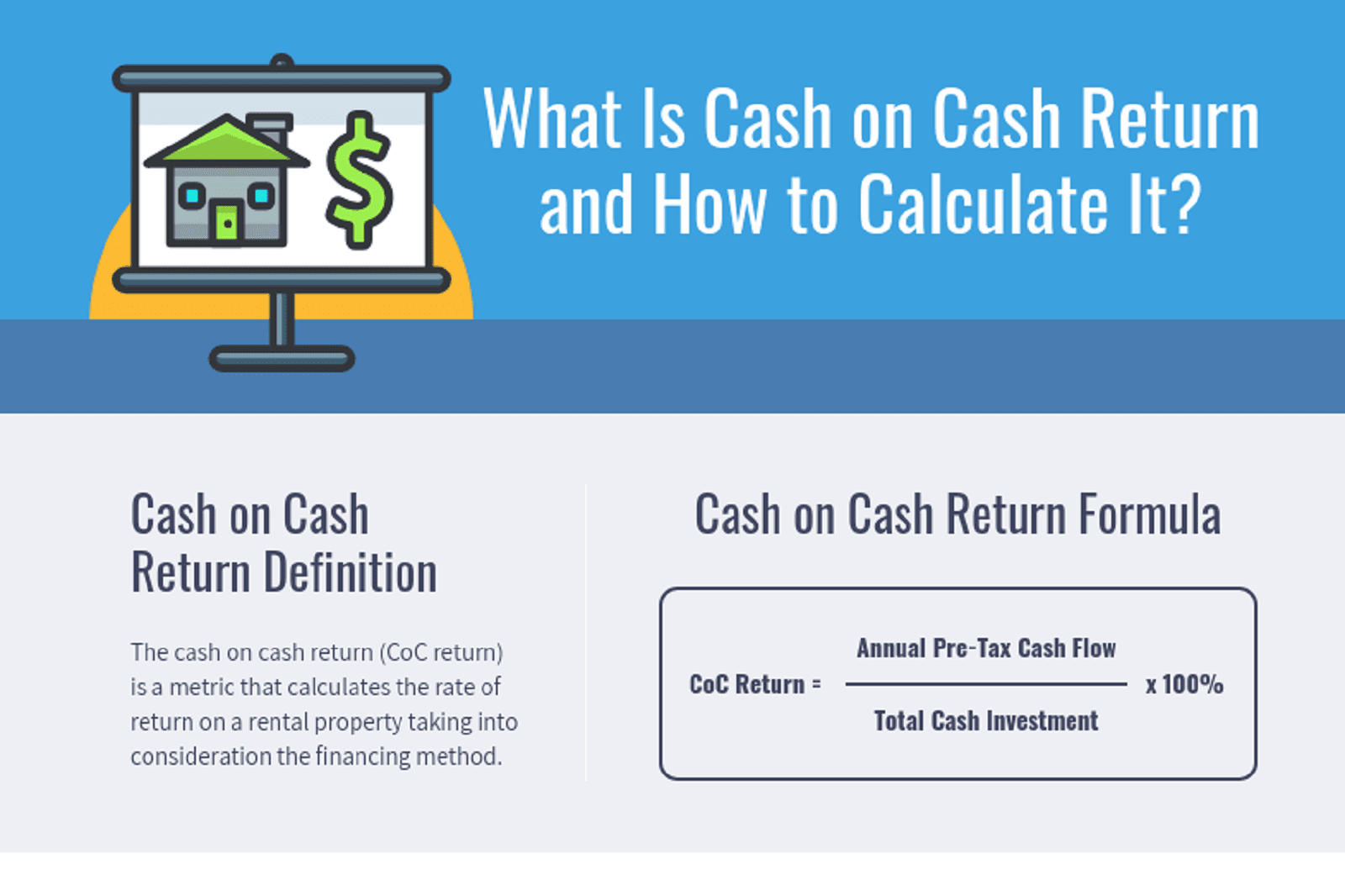
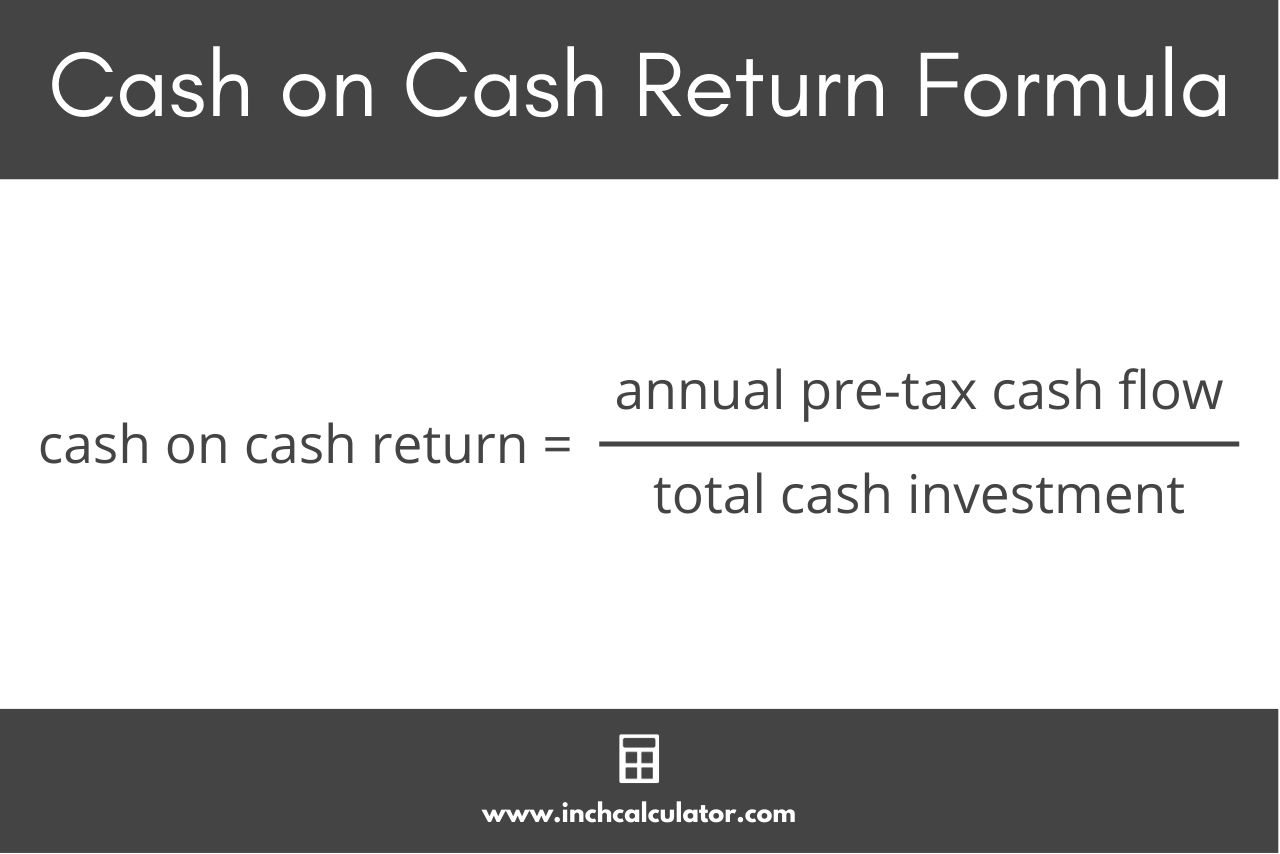
Cash on Cash Return (CoC) is a crucial metric in real estate investing that measures the annual cash flow generated by a property relative to the initial cash investment. It is expressed as a percentage and provides insights into the cash-generating potential of an investment.CoC
differs from other return metrics such as Return on Investment (ROI) and Internal Rate of Return (IRR). ROI considers the total investment, including both cash and non-cash components, while CoC focuses solely on the cash flow. IRR, on the other hand, calculates the annualized rate of return that equates the present value of future cash flows to the initial investment.Several
factors influence CoC, including the property value, operating expenses, and financing terms. A higher property value generally leads to a higher CoC, as the potential rental income increases. Operating expenses, such as property taxes, insurance, and maintenance costs, reduce the net cash flow and thus lower the CoC.
Favorable financing terms, such as a low interest rate or a long loan term, can increase the CoC by reducing the monthly mortgage payments.
Calculating CoC Using a Calculator
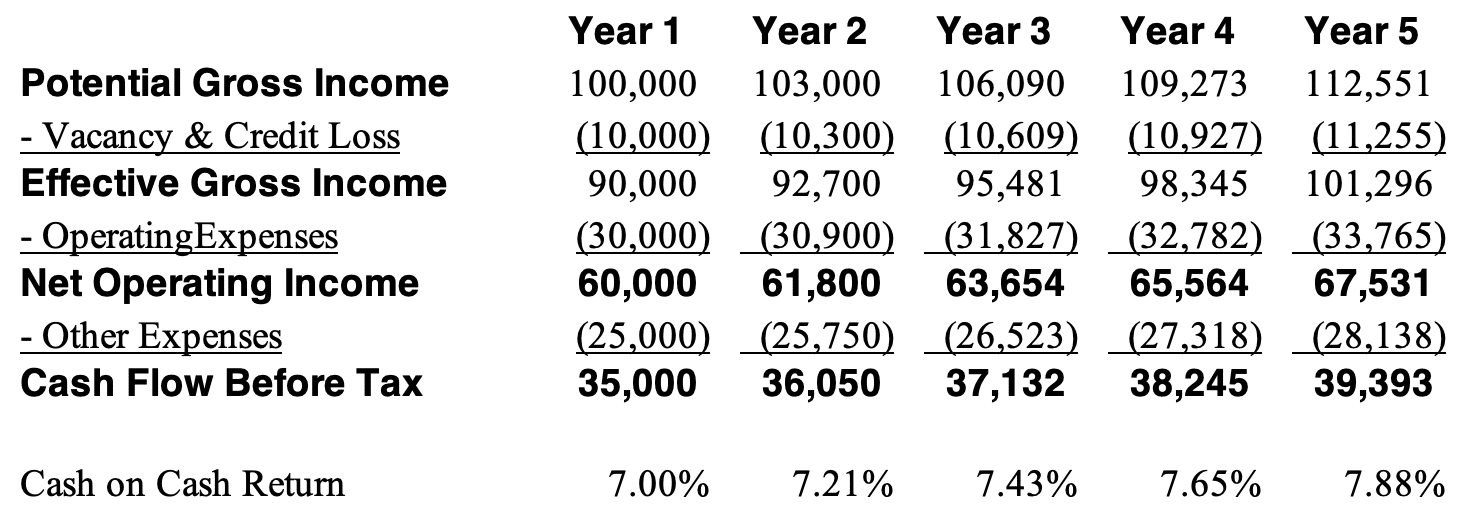
Utilizing a Cash on Cash (CoC) calculator simplifies the process of estimating potential returns on real estate investments. These calculators require specific inputs to provide accurate results.
Inputs Required for CoC Calculation
- Purchase Price:The initial cost of acquiring the property.
- Monthly Rent:The expected rental income generated by the property each month.
- Annual Expenses:The ongoing costs associated with owning and maintaining the property, including property taxes, insurance, repairs, and vacancy.
By inputting these values into a CoC calculator, investors can quickly determine the annual CoC return, which represents the percentage of the initial investment that is generated as cash flow each year.
Interpreting CoC Calculation Results
The CoC return provides valuable insights for investment decision-making:
- Attractive Return:A high CoC return indicates a potentially profitable investment with strong cash flow.
- Moderate Return:A moderate CoC return may still be acceptable if other factors, such as appreciation potential, are favorable.
- Low Return:A low CoC return suggests that the investment may not generate sufficient cash flow to cover expenses and provide a meaningful return.
By comparing CoC returns across different investment options, investors can make informed decisions about which properties offer the best potential for cash flow and overall profitability.
Analyzing CoC for Investment Opportunities
Understanding the CoC of a real estate investment is essential for making informed decisions. This section delves into the target CoC rates for different investment types, compares CoC across properties, and provides guidance on using CoC to assess risk and potential returns.
Target CoC Rates for Different Investment Types
The target CoC rate varies depending on the investment strategy and the level of risk involved. Generally, higher-risk investments demand higher CoC rates to compensate for the increased risk. Here are some common target CoC rates for different investment types:
- Residential rentals:8-12%
- Commercial rentals:6-10%
- Fix-and-flip investments:15-25%
- Development projects:20-30%
Comparing CoC Across Properties
When evaluating multiple investment opportunities, comparing CoC rates is crucial. The property with the highest CoC may not necessarily be the best investment. Consider the following factors when comparing CoC:
- Investment type:Different investment types have different target CoC rates.
- Location:CoC rates can vary significantly based on the location and local market conditions.
- Property condition:Properties in need of extensive repairs or renovations may have lower CoC rates.
- Management costs:High management costs can reduce the CoC.
- Vacancy rates:High vacancy rates can lower the CoC.
Using CoC to Assess Risk and Potential Return
CoC can provide insights into the risk and potential return of a real estate investment:
- High CoC:Generally indicates a higher-risk investment with the potential for higher returns.
- Low CoC:May indicate a lower-risk investment with lower potential returns.
- CoC above target rate:Suggests the investment may have a favorable risk-to-return ratio.
- CoC below target rate:May indicate a less attractive investment opportunity.
Advanced Considerations in CoC Analysis: Cash On Cash Return Calculator
When conducting a CoC analysis, it’s essential to consider advanced factors that can impact the results. These include financing options, depreciation and appreciation, tax implications, and inflation. Understanding these factors allows for a more comprehensive and accurate assessment of an investment’s potential cash flow.
Financing Options, Cash on cash return calculator
The method of financing an investment property can significantly affect its CoC. Mortgages, for example, introduce interest payments, which reduce the amount of cash flow available for distribution. Equity partnerships, on the other hand, may involve profit-sharing arrangements that can impact the overall CoC.
Depreciation and Appreciation
Depreciation is a non-cash expense that reduces the property’s value for tax purposes. While it doesn’t directly impact cash flow, it can affect the taxable income generated by the property, potentially reducing the CoC. Appreciation, on the other hand, increases the property’s value over time, which can lead to higher CoC in the future.
Tax Implications
Tax laws and regulations can have a substantial impact on CoC. Rental income, property expenses, and depreciation are all subject to taxation, which can reduce the net cash flow available for distribution. It’s important to consult with a tax professional to understand the specific tax implications for an investment property.
Inflation
Inflation can erode the purchasing power of cash flow over time. As inflation increases, the value of a dollar decreases, reducing the real return on an investment. To account for inflation, it’s recommended to use constant dollars or adjust the CoC using an inflation rate assumption.
Final Review
In summary, the cash on cash return calculator is a valuable tool that empowers real estate investors to evaluate potential investments and maximize their returns. By considering factors such as financing options, depreciation, appreciation, and tax implications, investors can use CoC analysis to make informed decisions and achieve their financial goals.
