Introducing the cow gestation calculator, an indispensable tool for cattle farmers and ranchers. Understanding the intricacies of cow gestation is crucial for effective herd management, ensuring optimal calf care and maximizing productivity. This comprehensive guide delves into the factors influencing gestation, methods for accurate calculation, and the significance of timely calving predictions.
Delving deeper into the fascinating journey of cow gestation, we’ll explore the distinct stages, from fertilization to fetal development, and uncover the key milestones that shape the life of a calf before birth.
Cow Gestation Timeline: Cow Gestation Calculator

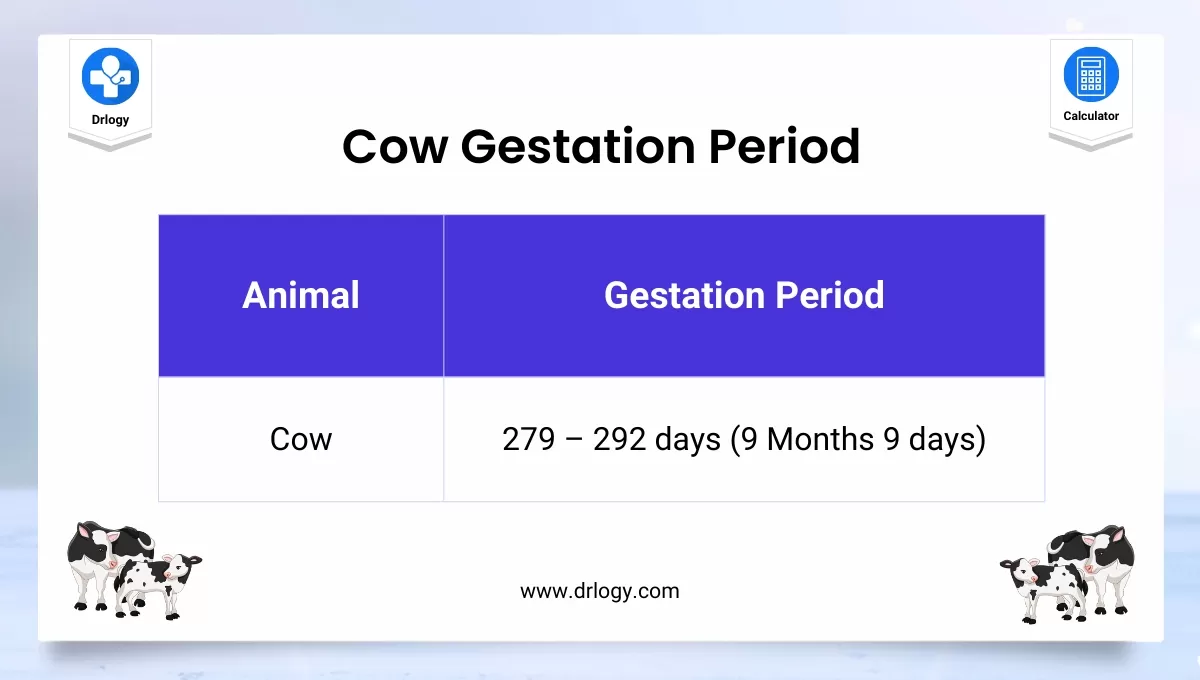
The gestation period of a cow, also known as the pregnancy term, is approximately 283 days or 9 months. During this period, the cow’s body undergoes significant changes to accommodate the developing fetus. The gestation timeline can be broadly divided into three stages: fertilization, embryonic, and fetal stages, each with its unique characteristics and developmental milestones.
Fertilization Stage
The fertilization stage marks the beginning of cow gestation and typically lasts for a few days. During this stage, the sperm fertilizes the egg, forming a zygote. The zygote then undergoes cell division as it travels through the oviduct towards the uterus.
Embryonic Stage
The embryonic stage spans approximately 40-45 days and is characterized by rapid cell division and the formation of the embryo. The embryo implants into the uterine lining, and the placenta develops to facilitate nutrient and oxygen exchange between the mother and the developing fetus.
Fetal Stage
The fetal stage is the longest stage of cow gestation, lasting approximately 238-243 days. During this stage, the fetus undergoes significant growth and development. The major organs and body systems form, and the fetus becomes increasingly active. Towards the end of the fetal stage, the fetus positions itself for birth.
Factors Influencing Gestation Period
The length of a cow’s gestation period can be influenced by various factors, including breed, age, nutrition, and environmental conditions. Understanding these factors is crucial for accurate pregnancy management and optimal calf health.
Breed
Different breeds of cattle have varying gestation periods. Larger breeds, such as Holsteins and Simmentals, typically have longer gestation periods than smaller breeds, such as Jerseys and Angus. This variation is attributed to genetic differences and the size of the fetus at birth.
Age
The age of the cow can also affect the gestation period. First-calf heifers often have shorter gestation periods compared to mature cows. As cows age, their reproductive systems may become less efficient, leading to slightly longer gestation periods.
Nutrition
Proper nutrition plays a significant role in the duration of pregnancy. Cows that are undernourished or experience nutritional deficiencies may have longer gestation periods. Adequate intake of energy, protein, minerals, and vitamins is essential for fetal growth and development, which can influence the timing of parturition.
Environmental Conditions, Cow gestation calculator
Environmental factors, such as temperature and stress, can impact the gestation period. Extreme heat or cold can affect the cow’s hormonal balance and metabolism, potentially leading to variations in the length of pregnancy. Additionally, stress, whether due to transportation, handling, or disease, can disrupt the normal course of gestation and result in premature or prolonged pregnancy.
Importance of Accurate Gestation Calculation
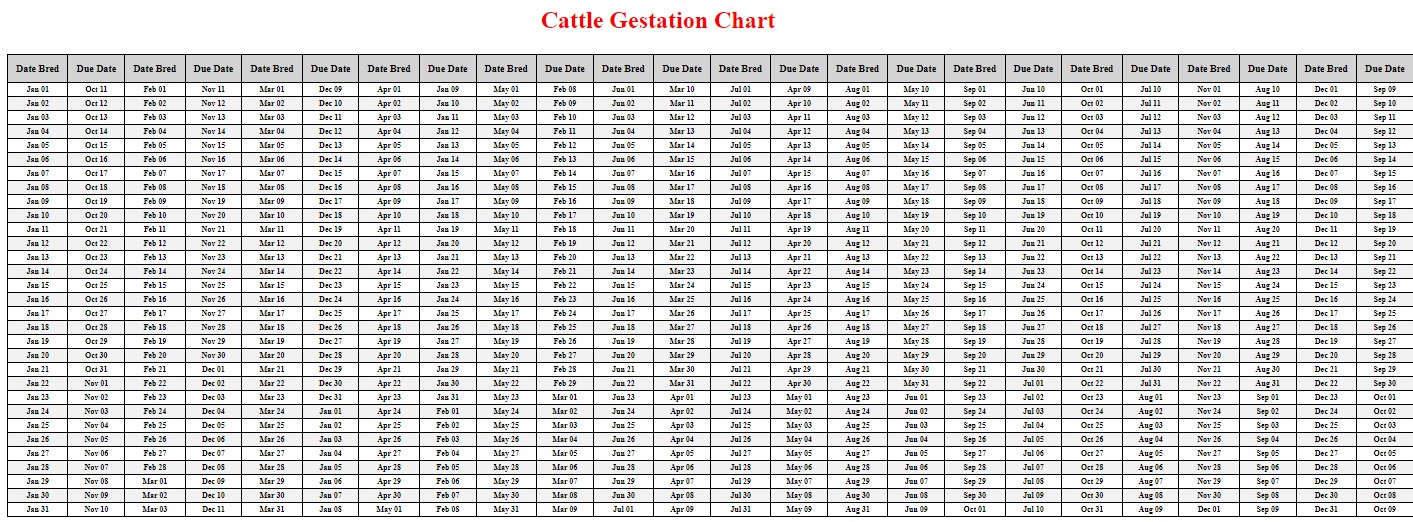
Accurately calculating cow gestation periods is crucial for effective farm management. It provides farmers with valuable insights into their herd’s reproductive performance and enables them to make informed decisions to optimize breeding and calving outcomes.
Knowing the expected calving date allows farmers to prepare adequately for the arrival of new calves. This includes ensuring appropriate housing, veterinary care, and staffing to assist with calving and calf care.
Benefits of Accurate Gestation Calculation
- Improved reproductive management:Accurate gestation calculations facilitate timely breeding and pregnancy diagnosis, enabling farmers to optimize breeding schedules and reduce the calving interval.
- Enhanced calf care:Knowing the expected calving date allows farmers to provide optimal care for newborn calves. They can prepare colostrum, establish feeding schedules, and monitor the calf’s health closely during the critical first few days.
- Reduced economic losses:Accurate gestation calculations help prevent premature calving, which can lead to health issues in both the cow and the calf. It also minimizes the risk of dystocia, reducing the need for veterinary intervention and potential complications.
Methods for Calculating Cow Gestation
Determining the gestation period of cows is crucial for effective breeding management and planning. Several methods can be employed to calculate cow gestation, each with its advantages and limitations.
Breeding Records
Maintaining accurate breeding records is a fundamental method for calculating cow gestation. This involves recording the date of breeding or artificial insemination (AI) and the bull or semen used. The gestation period is typically calculated by adding 283 days (the average gestation length) to the breeding date.
Advantages:
- Simple and cost-effective
- Requires minimal equipment
- Can provide historical data for analysis
Limitations:
- Relies on accurate record-keeping
- May not be reliable if the breeding date is uncertain
- Does not provide real-time information
Ultrasonography
Ultrasonography involves using ultrasound waves to visualize the fetus and determine its development stage. This method can be used to confirm pregnancy as early as 28 days after breeding and estimate the gestational age.
Advantages:
- Accurate and reliable
- Non-invasive and safe for both the cow and fetus
- Can provide information on fetal development and health
Limitations:
- Requires specialized equipment and trained personnel
- Can be expensive
- May be challenging to obtain clear images in certain cases
Rectal Palpation
Rectal palpation is a manual method of examining the reproductive tract of the cow to determine pregnancy and estimate the gestational age. It involves inserting a gloved hand into the rectum and feeling for the uterus and fetus.
Advantages:
- Relatively simple and inexpensive
- Can be performed by experienced personnel
- Can provide information on the health of the reproductive tract
Limitations:
- Requires experience and skill
- Can be invasive and uncomfortable for the cow
- May not be accurate in early pregnancy
Outcome Summary
In conclusion, the cow gestation calculator empowers farmers with the knowledge to anticipate calving dates, prepare for the arrival of new calves, and optimize calf health. By embracing the insights provided by this valuable tool, cattle producers can elevate their herd management practices, fostering a thriving and productive bovine operation.