The workers comp calculator is an invaluable tool that can help injured workers estimate the benefits they may be entitled to. This comprehensive guide will provide an overview of workers’ compensation basics, explain how to calculate benefits, and discuss the advantages and limitations of using a workers’ comp calculator.
Whether you’re a worker who has been injured on the job or an employer who wants to understand your obligations, this guide has the information you need.
Workers’ compensation insurance provides financial protection to employees who are injured or become ill due to their work. It covers a wide range of injuries and illnesses, including those caused by accidents, repetitive motions, and exposure to hazardous substances. Benefits available to injured workers include medical expenses, lost wages, and disability payments.
Workers’ Compensation Basics

Workers’ compensation insurance is a vital safety net for employees who suffer work-related injuries or illnesses. It provides financial protection and access to necessary medical care, ensuring that injured workers can focus on their recovery without facing undue financial hardship.
Common Work-Related Injuries and Illnesses Covered
Workers’ compensation covers a wide range of work-related injuries and illnesses, including:
- Physical injuries, such as sprains, strains, fractures, and lacerations
- Occupational diseases, such as carpal tunnel syndrome, asbestosis, and noise-induced hearing loss
- Mental health conditions, such as post-traumatic stress disorder (PTSD) and depression
Benefits Available to Injured Workers
Injured workers may be eligible for a range of benefits under workers’ compensation, including:
- Medical expenses, covering the costs of doctor’s visits, hospital stays, and prescription medications
- Lost wages, providing income replacement for workers who are unable to work due to their injury or illness
- Disability payments, offering long-term financial support for workers who suffer permanent disabilities
Calculating Workers’ Compensation Benefits: Workers Comp Calculator
Calculating workers’ compensation benefits is a complex process that varies from state to state. However, there are some general principles that apply in most cases.The first step in calculating workers’ compensation benefits is to determine the type of disability the worker has suffered.
There are two main types of disability: temporary disability and permanent disability.
Temporary Disability Benefits
Temporary disability benefits are paid to workers who are unable to work for a period of time due to their injury or illness. The amount of temporary disability benefits is typically based on the worker’s pre-injury earnings and the severity of their injury.To
calculate temporary disability benefits, the following steps are typically taken:
- The worker’s pre-injury earnings are determined.
- The worker’s disability rating is determined.
- The worker’s weekly benefit rate is calculated.
- The worker’s total temporary disability benefits are calculated.
Permanent Disability Benefits
Permanent disability benefits are paid to workers who have suffered a permanent injury or illness that will prevent them from working in the future. The amount of permanent disability benefits is typically based on the worker’s pre-injury earnings, the severity of their injury, and the length of time they are expected to be disabled.To
calculate permanent disability benefits, the following steps are typically taken:
- The worker’s pre-injury earnings are determined.
- The worker’s disability rating is determined.
- The worker’s weekly benefit rate is calculated.
- The worker’s total permanent disability benefits are calculated.
The factors that can affect the amount of workers’ compensation benefits awarded include:* The severity of the injury
- The worker’s pre-injury earnings
- The state’s workers’ compensation laws
Using a Workers’ Comp Calculator
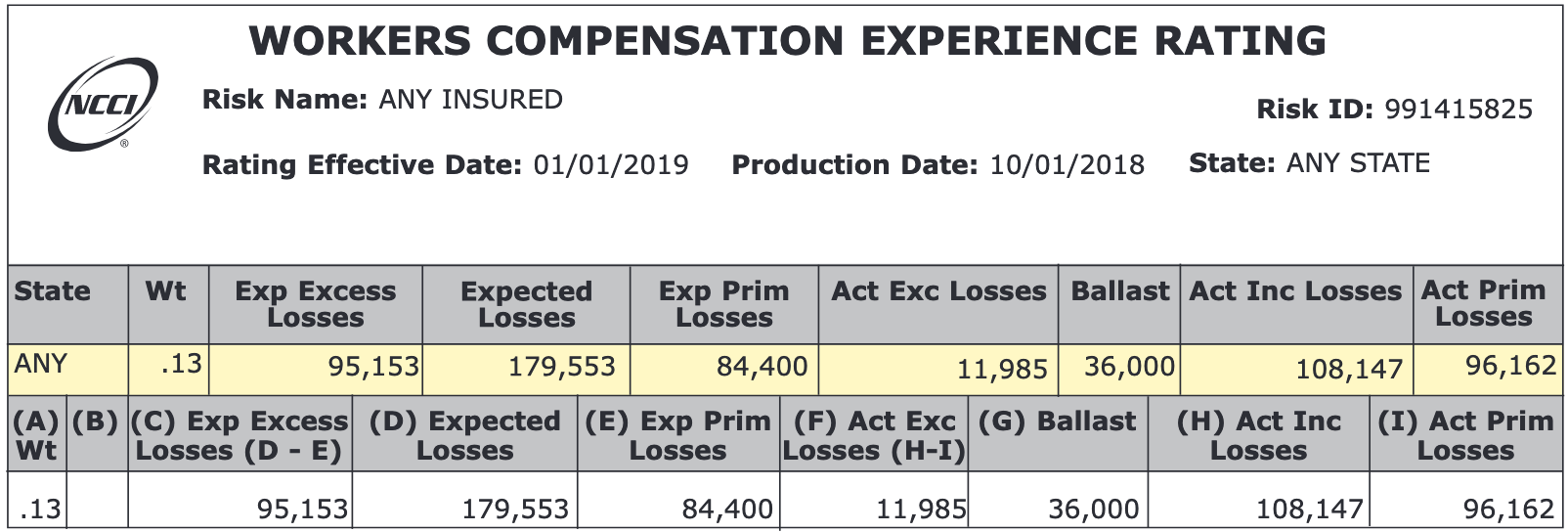
Workers’ comp calculators are online tools that can help you estimate the benefits you may be eligible for if you are injured on the job. There are different types of workers’ comp calculators available, each with its own set of features and capabilities.
To use a workers’ comp calculator, you will typically need to provide information about your injury, your earnings, and your state of residence. The calculator will then use this information to estimate the amount of benefits you may be eligible for.
Advantages of Using a Workers’ Comp Calculator
- Convenience: Workers’ comp calculators are easy to use and can be accessed from anywhere with an internet connection.
- Accuracy: Workers’ comp calculators are designed to provide accurate estimates of benefits.
- Time-saving: Workers’ comp calculators can save you time by providing you with an estimate of your benefits quickly and easily.
Limitations of Using a Workers’ Comp Calculator
- Not a substitute for legal advice: Workers’ comp calculators are not a substitute for legal advice. If you have any questions about your workers’ compensation benefits, you should consult with an attorney.
- May not be accurate in all cases: Workers’ comp calculators are not always accurate in all cases. The accuracy of the calculator will depend on the quality of the information you provide.
- May not be available for all states: Workers’ comp calculators may not be available for all states.
Special Considerations
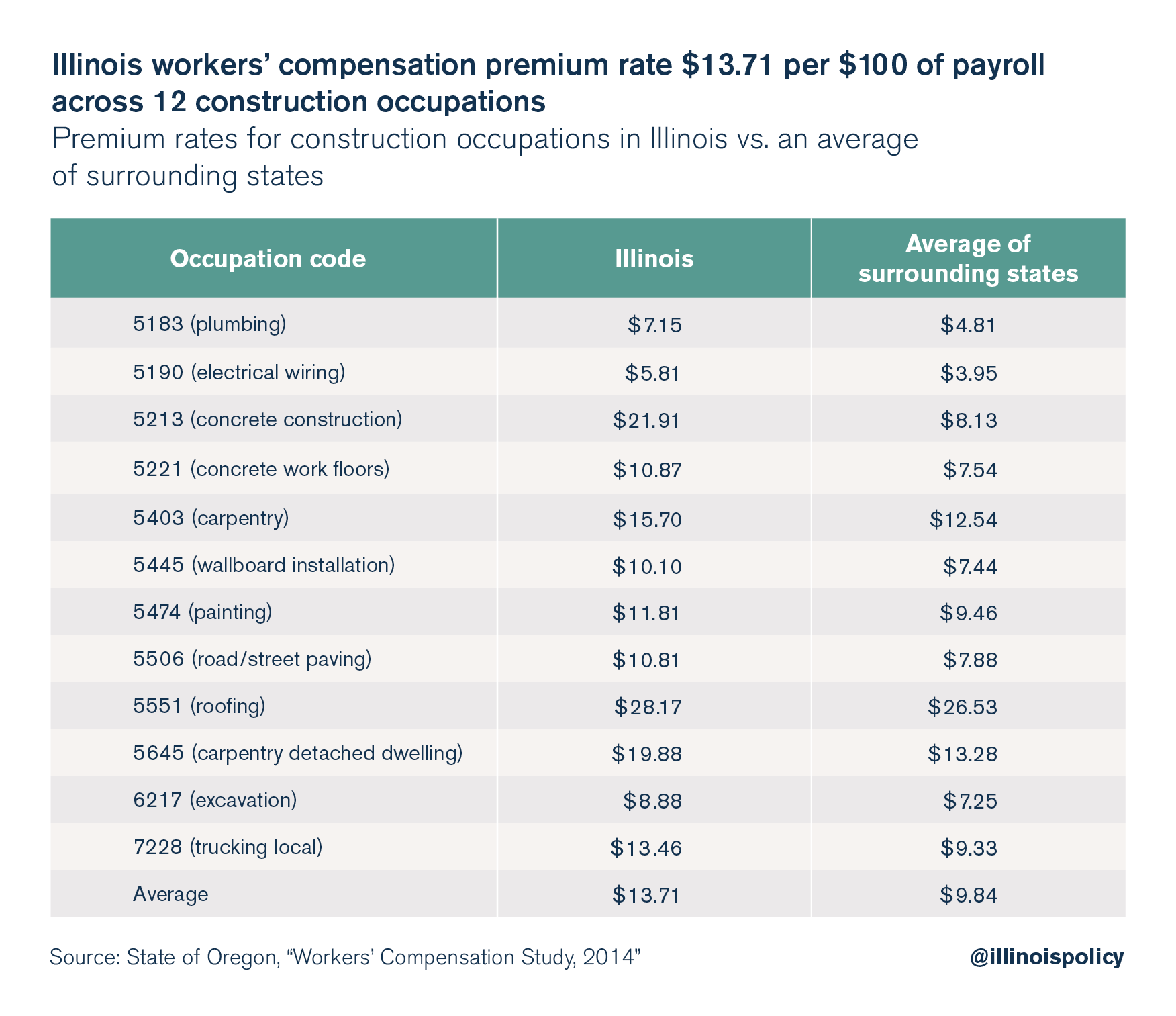
Navigating workers’ compensation can be complex, especially for individuals who fall outside of traditional employment structures. Self-employed workers and gig economy participants face unique challenges due to the lack of a traditional employer-employee relationship. This section addresses these challenges and provides guidance for handling complex claims involving multiple employers or accidents occurring outside the workplace.
Self-Employed Workers and the Gig Economy
Self-employed individuals and gig workers may not have access to employer-provided workers’ compensation coverage. They are responsible for securing their own coverage, which can be more expensive and challenging to obtain. Understanding the specific requirements and coverage options available in your jurisdiction is crucial.
Multiple Employers and Work-Related Accidents Outside the Workplace
When an injury involves multiple employers or occurs outside the traditional workplace, determining liability and benefits can be complicated. In such cases, it is essential to document the details of the accident, including the time, location, and any witnesses. Seeking legal advice may be necessary to navigate these complex claims.
Impact on Future Employment Prospects, Workers comp calculator
Workers’ compensation claims can sometimes raise concerns about future employment prospects. Employers may have misconceptions or biases regarding hiring individuals with a history of work-related injuries. It is important to remember that workers’ compensation is a legal right, and discrimination based on such claims is prohibited.
Final Wrap-Up
Understanding how to calculate workers’ compensation benefits is essential for ensuring that you receive the full amount you are entitled to. A workers’ comp calculator can be a helpful tool in this process, but it’s important to be aware of its limitations.
By following the steps Artikeld in this guide, you can calculate your benefits accurately and efficiently.