
Introducing the wire resistance calculator, an indispensable tool for electrical engineers seeking precise wire selection. This guide delves into the fundamentals of wire resistance, its impact on electrical systems, and the practical applications of wire resistance calculators. Dive in to master the art of wire resistance calculations and optimize your electrical designs.
Understanding the factors that influence wire resistance, such as material composition, length, and cross-sectional area, is crucial for accurate calculations. Wire resistance calculators simplify this process, empowering you to determine the appropriate wire size for various electrical applications.
Wire Resistance Calculator Fundamentals
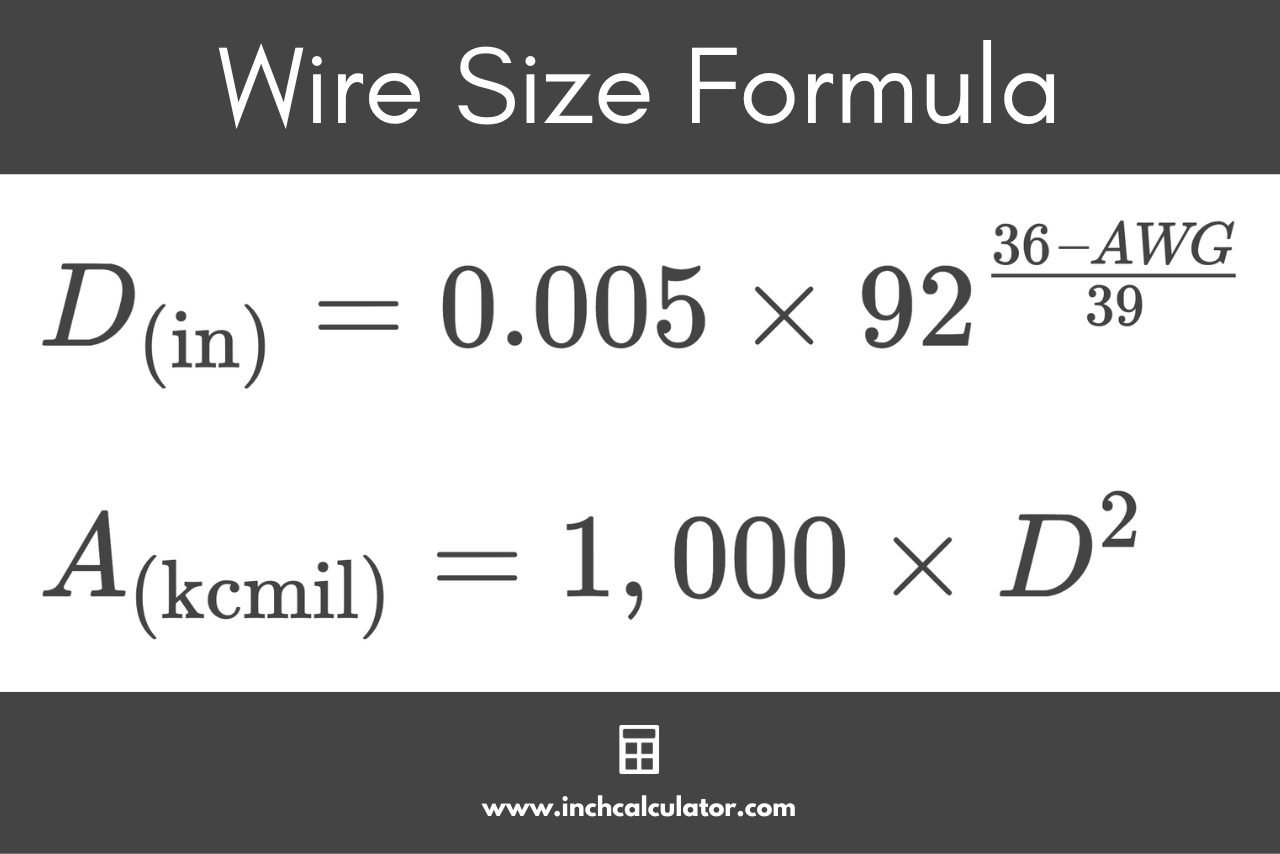
Wire resistance, a crucial aspect of electrical systems, plays a significant role in determining current flow and voltage distribution. Understanding wire resistance is essential for designing and maintaining efficient electrical circuits.
Wire resistance arises from the opposition encountered by electrons as they move through a conductor. Factors that influence wire resistance include the material used, the length of the wire, and its cross-sectional area.
Material
The material of a wire is a primary determinant of its resistance. Different materials have varying electrical conductivities, which measure their ability to conduct electricity. For instance, copper, a highly conductive metal, has a low resistance, while materials like nichrome, used in heating elements, have higher resistance.
Length
The length of a wire directly affects its resistance. Longer wires offer more resistance to electron flow compared to shorter wires of the same material and cross-sectional area. This is because electrons encounter more obstacles and collisions as they travel through a longer path.
Cross-Sectional Area
The cross-sectional area of a wire, which represents the area perpendicular to the direction of current flow, also influences resistance. Wires with larger cross-sectional areas provide a wider path for electron movement, resulting in lower resistance. Conversely, wires with smaller cross-sectional areas have higher resistance due to the constricted flow of electrons.
Formulas and Equations, Wire resistance calculator
Calculating wire resistance involves using specific formulas and equations:
- Resistance (R) = Resistivity (ρ) × Length (L) / Cross-Sectional Area (A)
- Resistivity (ρ)is a material property that represents its resistance per unit length and cross-sectional area.
- Length (L)is the physical length of the wire.
- Cross-Sectional Area (A)is the area of the wire’s cross-section, perpendicular to the direction of current flow.
Practical Applications of Wire Resistance Calculators
Wire resistance calculators are invaluable tools for determining the appropriate wire size for electrical applications, ensuring optimal system performance and safety. They help electricians, engineers, and DIY enthusiasts select wires that meet specific resistance requirements, preventing issues like voltage drop, overheating, and electrical hazards.
Wire Sizing for Electrical Applications
Wire resistance calculators enable precise wire sizing for various applications. By inputting factors such as current, voltage, and desired voltage drop, the calculator determines the minimum wire gauge that meets the specified criteria. This ensures adequate current flow and minimizes power loss due to resistance.
Consequences of Undersized and Oversized Wires
Using undersized wire can lead to excessive voltage drop, overheating, and even fire hazards. Conversely, oversized wire, while not posing safety concerns, can result in unnecessary material costs and wasted space.
Real-World Examples of Wire Resistance Calculations
Wire resistance calculations are crucial in numerous real-world scenarios, including:
- Residential Wiring:Electricians use calculators to determine wire sizes for home circuits, ensuring proper power distribution and preventing electrical issues.
- Industrial Applications:Engineers rely on calculators to design wiring systems for motors, transformers, and other industrial equipment, ensuring efficient operation and safety.
- Automotive Electrical Systems:Automotive technicians use calculators to select wires for various electrical components, ensuring reliable power delivery and preventing electrical malfunctions.
Advanced Features of Wire Resistance Calculators

Advanced wire resistance calculators offer sophisticated capabilities beyond basic resistance calculations. These features empower users to consider factors like temperature and voltage drop, enhancing the accuracy and optimization of wire selection.
Temperature compensation is crucial as wire resistance varies with temperature. Advanced calculators incorporate this effect, ensuring accurate resistance calculations across varying operating conditions.
Voltage Drop Calculations
Voltage drop calculations are essential in determining the voltage loss along a wire. Advanced calculators incorporate this feature, enabling users to optimize wire size and length to minimize voltage loss and maintain system efficiency.
Troubleshooting and Best Practices for Wire Resistance Calculations
To ensure accurate and reliable wire resistance calculations, it’s essential to be aware of potential errors and pitfalls. This section will discuss common issues and provide best practices for effective use of wire resistance calculators.
Common Errors and Pitfalls
- Incorrect material selection:Choosing the wrong material for the wire can lead to significant errors in resistance calculations.
- Inaccurate wire dimensions:Precise measurements of wire diameter and length are crucial for accurate calculations.
- Neglecting temperature effects:Resistance can vary with temperature, so it’s important to consider the operating temperature.
- Rounding errors:Using calculators with insufficient precision can introduce rounding errors, especially when dealing with long wire lengths or small wire diameters.
Tips for Ensuring Accuracy
- Verify material selection:Double-check the material type and ensure it matches the intended application.
- Measure wire dimensions carefully:Use precision measuring tools and take multiple measurements to minimize errors.
- Account for temperature effects:If temperature variations are expected, use calculators that incorporate temperature correction factors.
- Use high-precision calculators:Choose calculators with sufficient precision to handle the specific wire dimensions and material properties.
Best Practices for Effective Use
- Select the appropriate calculator:Different calculators are designed for specific wire types and applications. Choose the one that best suits your needs.
- Input data carefully:Pay attention to the units of measurement and ensure all values are entered correctly.
- Verify results:Use a second calculator or manually calculate the resistance to confirm the accuracy of the results.
- Consider safety precautions:Be aware of the potential hazards associated with electrical circuits and follow appropriate safety guidelines.
Closing Summary
In conclusion, wire resistance calculators are essential tools for electrical engineers, providing a systematic approach to wire selection. By considering temperature effects, voltage drop calculations, and best practices, you can ensure the reliability and efficiency of your electrical systems. Embrace the power of wire resistance calculators and elevate your electrical designs to the next level.
