Wire fill calculator, an indispensable tool for electrical engineers, provides accurate wire fill calculations, ensuring optimal circuit design, cable selection, and thermal management. This guide delves into the principles, influencing factors, estimation methods, and practical applications of wire fill calculations, empowering you with the knowledge to navigate electrical wiring projects with confidence.
Wire fill, a crucial aspect of electrical design, refers to the percentage of a given area occupied by electrical wires. Understanding wire fill is essential for ensuring proper current carrying capacity, preventing overheating, and maintaining circuit integrity. This guide will provide you with a comprehensive understanding of wire fill calculations, enabling you to make informed decisions in your electrical projects.
Wire Fill Calculation Principles
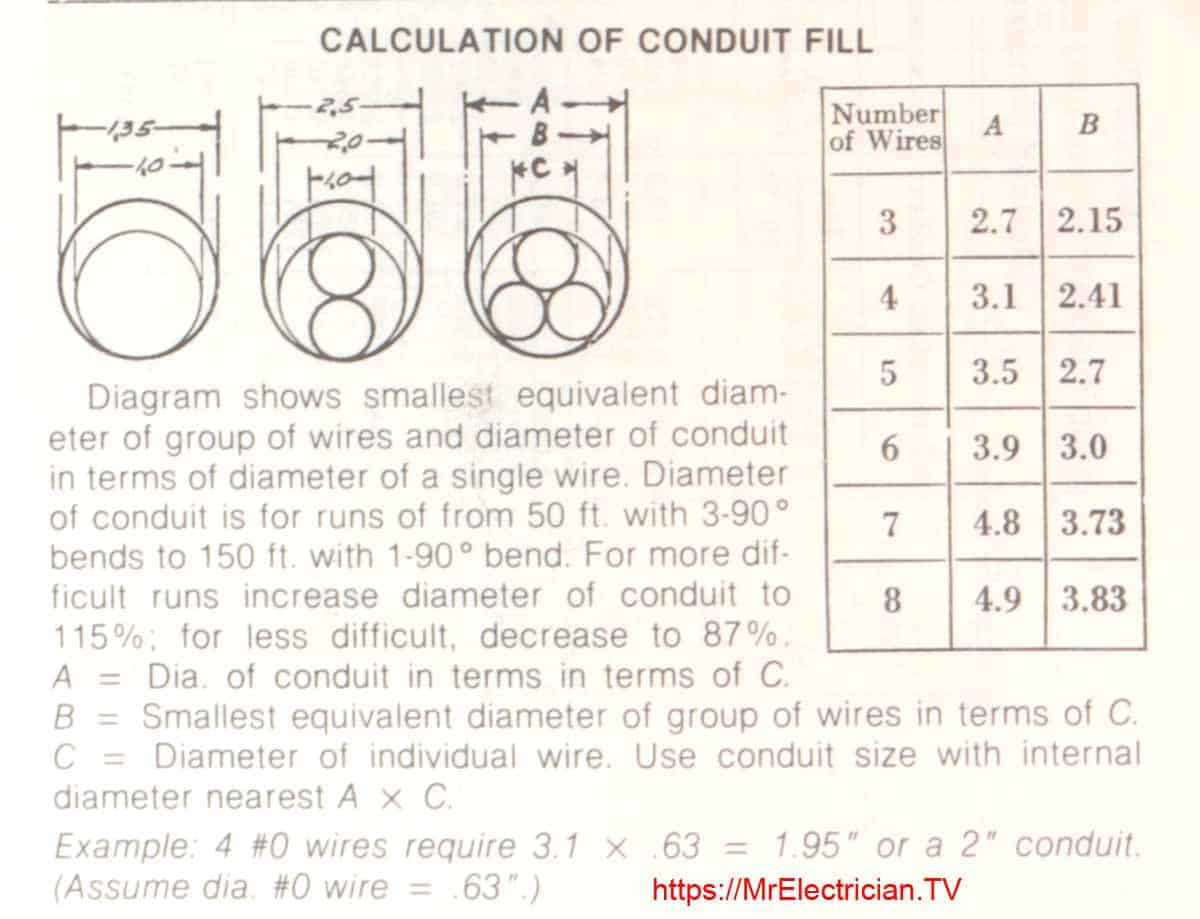
Wire fill calculation is a crucial aspect of electrical design, ensuring the safe and efficient operation of electrical systems. It involves determining the percentage of a given area occupied by wires, considering factors such as wire diameter, spacing, and cross-sectional area.
The fundamental principle behind wire fill calculation is to ensure that the wires within a given area do not exceed a specified percentage of the total cross-sectional area. This percentage is typically regulated by electrical codes and standards to prevent overheating and ensure proper current flow.
Determining Wire Fill Percentage
The wire fill percentage is calculated using the following formula:
Wire Fill Percentage = (Total Cross-sectional Area of Wires / Total Cross-sectional Area of Available Space) x 100%
The total cross-sectional area of wires is calculated by multiplying the number of wires by the cross-sectional area of each wire. The total cross-sectional area of available space is the area within which the wires are being placed.
By calculating the wire fill percentage, electrical designers can ensure that the wires within a given area do not exceed the allowable limit, preventing potential hazards and ensuring the reliability of the electrical system.
Factors Influencing Wire Fill

Determining wire fill accurately requires careful consideration of several key factors that influence the calculations. These factors impact the amount of space occupied by wires within a given conduit or raceway.
Wire Type
The type of wire used significantly affects wire fill. Solid wires, composed of a single conductor, occupy less space than stranded wires, which consist of multiple strands twisted together. Stranded wires are more flexible but take up more room due to the air gaps between the strands.
Insulation Thickness
The thickness of the wire’s insulation also influences wire fill. Thicker insulation increases the overall diameter of the wire, reducing the available space within the conduit. The insulation material and voltage rating determine the insulation thickness.
Routing Constraints
The routing method and constraints imposed by the installation environment impact wire fill. Wires routed through tight bends or curves require more space to accommodate the bending radius. Additionally, the presence of obstacles, such as support beams or other equipment, can further restrict wire routing and increase the required wire fill.
Conductor Temperature and Current Carrying Capacity
The conductor temperature and current carrying capacity are crucial factors to consider. As current flows through the wire, it generates heat, which can raise the conductor temperature. Higher temperatures can soften the insulation and reduce its effectiveness, potentially leading to safety hazards.
The wire fill calculations must account for the anticipated conductor temperature to ensure proper heat dissipation and prevent overheating.
Methods for Wire Fill Estimation
Estimating wire fill is crucial for PCB design, as it affects factors such as board size, cost, and manufacturability. Several methods can be employed for wire fill estimation, ranging from manual calculations to advanced software tools.
Manual Calculations
Manual wire fill calculations involve determining the total wire length required to connect all components on the PCB. This method is suitable for small and simple boards where the number of components and connections is limited. However, it can become tedious and error-prone for larger and more complex designs.
Software Tools
Wire fill calculators are software tools that automate the process of estimating wire fill. These tools typically require the user to input information such as the component placement, board dimensions, and routing constraints. The software then calculates the estimated wire length and provides a visual representation of the wire routing.
Using a wire fill calculator involves the following steps:
- Import the PCB design file into the software.
- Specify the routing constraints, such as minimum clearance and preferred routing layers.
- Run the wire fill calculation.
- Review the estimated wire length and routing paths.
Accuracy and Limitations
The accuracy of wire fill estimation methods depends on various factors, including the complexity of the PCB design, the routing constraints, and the accuracy of the input data. Manual calculations can be less accurate due to human error, while software tools can provide more precise estimates based on their algorithms and routing optimization techniques.
However, it’s important to note that wire fill estimation is an approximation, and the actual wire length may vary depending on the specific routing techniques used during PCB fabrication.
Applications of Wire Fill Calculations

Wire fill calculations play a crucial role in electrical engineering, aiding in the design of circuits, selection of cables, and management of thermal dissipation. Accurate wire fill estimations ensure optimal performance and prevent potential hazards in electrical systems.
Circuit Design, Wire fill calculator
Wire fill calculations determine the appropriate wire gauge for a given current and voltage, ensuring the circuit can handle the required power without overheating. Undersized wires can lead to excessive voltage drop, power loss, and potential fire hazards, while oversized wires result in unnecessary material costs and space constraints.
Cable Selection
Wire fill calculations guide the selection of cables with adequate cross-sectional area to accommodate the number of wires and their respective current-carrying capacities. Proper cable selection prevents overcrowding, which can compromise insulation integrity, increase resistance, and pose safety risks.
Thermal Management
Wire fill calculations help predict the amount of heat generated by the wires in a given conduit or enclosure. This information is crucial for designing effective cooling systems to prevent overheating, which can damage wires, insulation, and other components.
Real-World Examples
- In industrial settings, wire fill calculations ensure the proper sizing of cables for high-power machinery, preventing downtime and safety hazards.
- In residential buildings, wire fill calculations guide the selection of electrical panels and conduits to meet code requirements and ensure safe and efficient distribution of electricity.
- In data centers, wire fill calculations optimize cable management and cooling systems, ensuring reliable and efficient operation of critical IT infrastructure.
Concluding Remarks: Wire Fill Calculator
In conclusion, wire fill calculations play a vital role in electrical engineering, providing insights into circuit design, cable selection, and thermal management. By understanding the principles, influencing factors, and estimation methods Artikeld in this guide, you can effectively utilize wire fill calculators to optimize your electrical projects.
Embrace the power of wire fill calculations and elevate your electrical designs to the next level.