
Welcome to the world of financial prowess! Our retained earnings calculator is your ultimate guide to unraveling the mysteries of retained earnings, a crucial aspect of any business’s financial well-being. Dive into this comprehensive guide and gain insights into calculating, analyzing, and understanding the significance of retained earnings for your company’s growth and success.
In this journey, we’ll explore the intricacies of retained earnings statements, identify key metrics for analysis, and delve into the relationship between retained earnings and dividends. Get ready to unlock the secrets of financial stability and make informed decisions that drive your business forward.
Retained Earnings Calculation
Retained earnings represent the cumulative profits of a company that have not been distributed to shareholders as dividends. This retained amount is reinvested back into the business for growth and expansion.
The formula for calculating retained earnings is:
Beginning Retained Earnings + Net Income
Dividends = Ending Retained Earnings
Examples, Retained earnings calculator
- Example 1:If a company starts with $10,000 in retained earnings, earns $5,000 in net income, and pays $2,000 in dividends, its ending retained earnings will be $13,000.
- Example 2:If a company has $20,000 in retained earnings, incurs a net loss of $5,000, and pays no dividends, its ending retained earnings will be $15,000.
Importance in Financial Analysis
Retained earnings are crucial for financial analysis because they provide insights into:
- Company’s profitability:Retained earnings reflect the company’s ability to generate profits over time.
- Dividend policy:Retained earnings are a source of funds for dividend payments, indicating the company’s dividend payout ratio.
- Growth potential:Retained earnings can be reinvested in the business, fueling growth and expansion.
- Financial flexibility:Companies with higher retained earnings have greater financial flexibility to weather economic downturns and seize growth opportunities.
Retained Earnings Statement: Retained Earnings Calculator
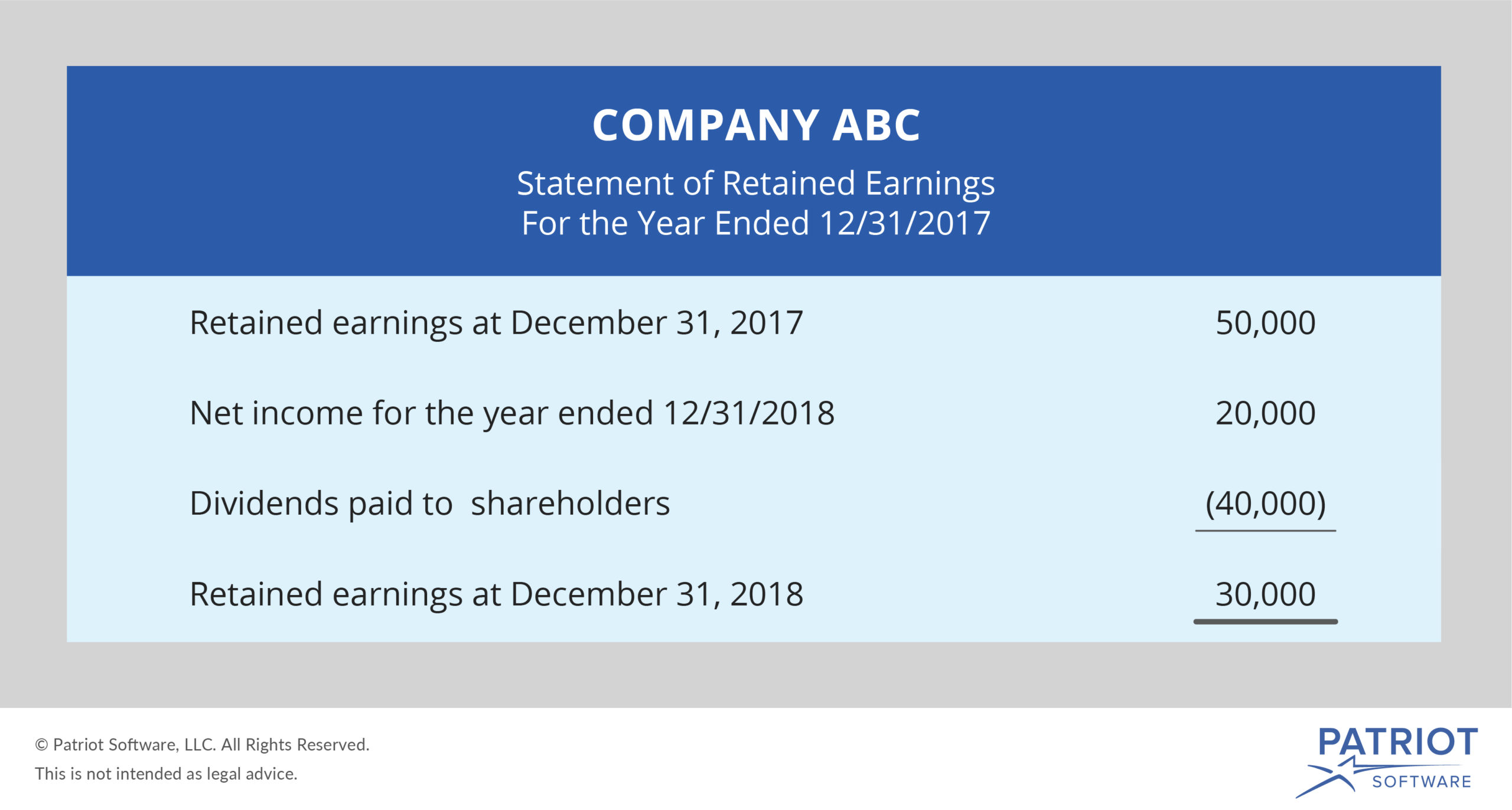
A retained earnings statement, also known as a statement of retained earnings, is a financial statement that summarizes the changes in a company’s retained earnings over a specific period, usually a quarter or a year. It shows the beginning balance of retained earnings, any additions or subtractions during the period, and the ending balance.
Retained earnings are the portion of a company’s profits that are not distributed to shareholders as dividends. Instead, they are reinvested in the business to fund growth and expansion. The retained earnings statement provides insights into a company’s financial performance and its ability to generate and retain earnings.
Components of a Retained Earnings Statement
The main components of a retained earnings statement include:
- Beginning retained earnings: The balance of retained earnings at the beginning of the period.
- Net income: The net income or loss for the period.
- Dividends: The amount of dividends paid to shareholders during the period.
- Other comprehensive income: Any other comprehensive income or loss, such as gains or losses on investments.
- Ending retained earnings: The balance of retained earnings at the end of the period.
How to Prepare a Retained Earnings Statement
To prepare a retained earnings statement, you need to follow these steps:
- Gather the necessary data, including the beginning retained earnings, net income, dividends, and other comprehensive income.
- Calculate the ending retained earnings by adding the net income and other comprehensive income to the beginning retained earnings, and then subtracting the dividends.
- Format the statement in a clear and concise manner, showing the beginning retained earnings, net income, dividends, other comprehensive income, and ending retained earnings.
Uses of a Retained Earnings Statement
Retained earnings statements are used by various stakeholders for different purposes, including:
- Investors:To assess a company’s profitability, financial health, and ability to generate and retain earnings.
- Creditors:To evaluate a company’s ability to repay debt and meet financial obligations.
- Management:To track the company’s financial performance and make informed decisions about dividend payments and reinvestment.
Retained Earnings Analysis
Retained earnings analysis is crucial for understanding a company’s financial health and performance. It involves examining trends and key metrics to assess the company’s ability to generate and retain profits.
Key metrics used in retained earnings analysis include:
- Retained Earnings Growth Rate:Measures the percentage change in retained earnings over a period, indicating the company’s ability to retain and grow its profits.
- Dividend Payout Ratio:Calculates the percentage of net income distributed as dividends, reflecting the company’s dividend policy and its balance between retaining and distributing profits.
- Retention Ratio:Determines the percentage of net income retained by the company, representing the portion of profits reinvested for growth and expansion.
Interpreting retained earnings trends involves analyzing the changes in these metrics over time. Positive growth rates and high retention ratios indicate a company’s strong profitability and reinvestment strategy. Conversely, declining retained earnings or low retention ratios may signal challenges in generating or retaining profits.
Factors Affecting Retained Earnings
Several factors can affect retained earnings, including:
- Profitability:A company’s ability to generate net income directly impacts its retained earnings.
- Dividend Policy:The company’s decision on dividend payments affects the amount of retained earnings available for reinvestment.
- Capital Expenditures:Investments in property, plant, and equipment can reduce retained earnings.
- Acquisitions and Mergers:Acquiring or merging with other companies can impact retained earnings through adjustments to equity and assets.
- Legal and Regulatory Factors:Tax laws, accounting standards, and other regulations can influence the treatment of retained earnings.
Retained Earnings and Dividends
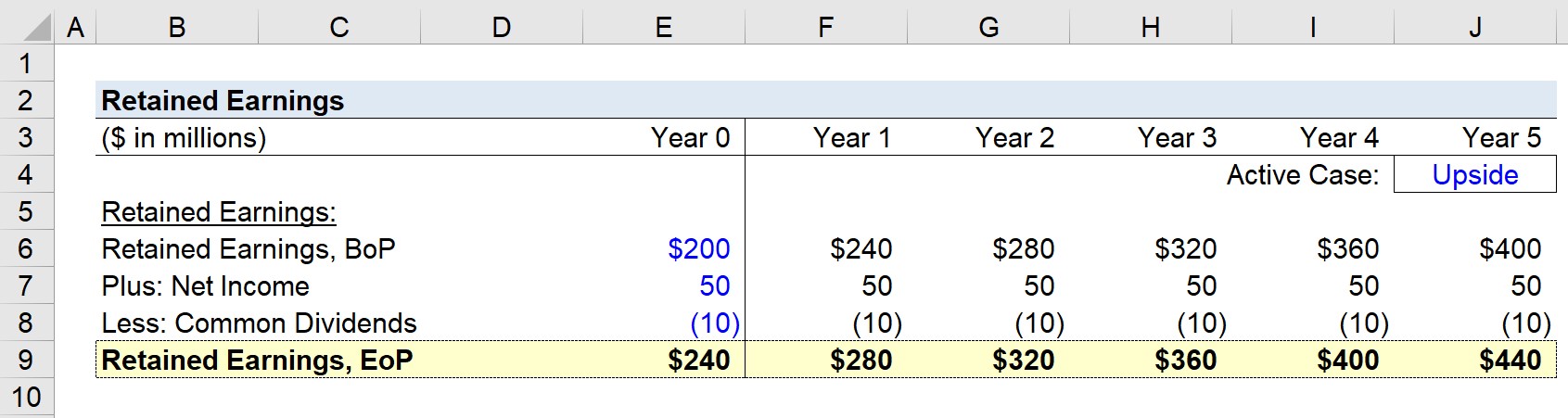
Retained earnings are a crucial element in determining a company’s dividend policy. Dividends represent a distribution of profits to shareholders and are typically paid out of retained earnings. The relationship between retained earnings and dividends is inverse: higher retained earnings generally lead to lower dividends, and vice versa.
When a company retains earnings, it essentially reinvests those profits back into the business. This can be used for various purposes, such as funding growth initiatives, expanding operations, or reducing debt. By retaining earnings, companies can potentially increase their future profitability and long-term value.
Factors Influencing Dividend Policy
Companies consider several factors when setting their dividend policy, including:
- Financial Position:Companies with strong financial positions and stable cash flows are more likely to pay dividends.
- Growth Opportunities:Companies with significant growth opportunities may choose to retain earnings to fund those initiatives rather than pay dividends.
- Capital Structure:Companies with high levels of debt may prioritize debt reduction over dividend payments.
- Industry Norms:Some industries, such as utilities, traditionally pay high dividends, while others, such as technology, may prioritize growth.
- Shareholder Expectations:Companies may consider the expectations of their shareholders when setting dividend policy.
Examples of Different Dividend Policies
Different companies have different dividend policies based on their specific circumstances:
- High Dividend Policy:Companies like Coca-Cola and Johnson & Johnson have consistently paid high dividends, prioritizing shareholder returns over growth.
- Low Dividend Policy:Companies like Amazon and Google have retained earnings to fund aggressive growth, paying minimal dividends.
- Variable Dividend Policy:Companies like Apple and Microsoft adjust their dividend payments based on factors such as earnings and cash flow.
Last Word
As we conclude our exploration of retained earnings, remember that understanding and managing this financial aspect is essential for businesses of all sizes. Our retained earnings calculator empowers you to make strategic decisions, optimize your financial performance, and position your company for long-term success.
Embrace the knowledge gained from this guide and harness the power of retained earnings to fuel your business’s growth and prosperity.
