Embark on a scientific adventure with our Punnett square calculator, a powerful tool that illuminates the intricate world of genetics. As we delve into the fascinating realm of inheritance, this guide will empower you with a comprehensive understanding of Punnett squares, their applications, and the insights they offer into the captivating tapestry of life.
Unveiling the principles of Punnett squares, we will explore their ability to predict the likelihood of specific traits being passed down through generations. From simple scenarios to complex genetic interactions, this guide will equip you with the knowledge to navigate the complexities of genetic inheritance.
Punnett Square Fundamentals

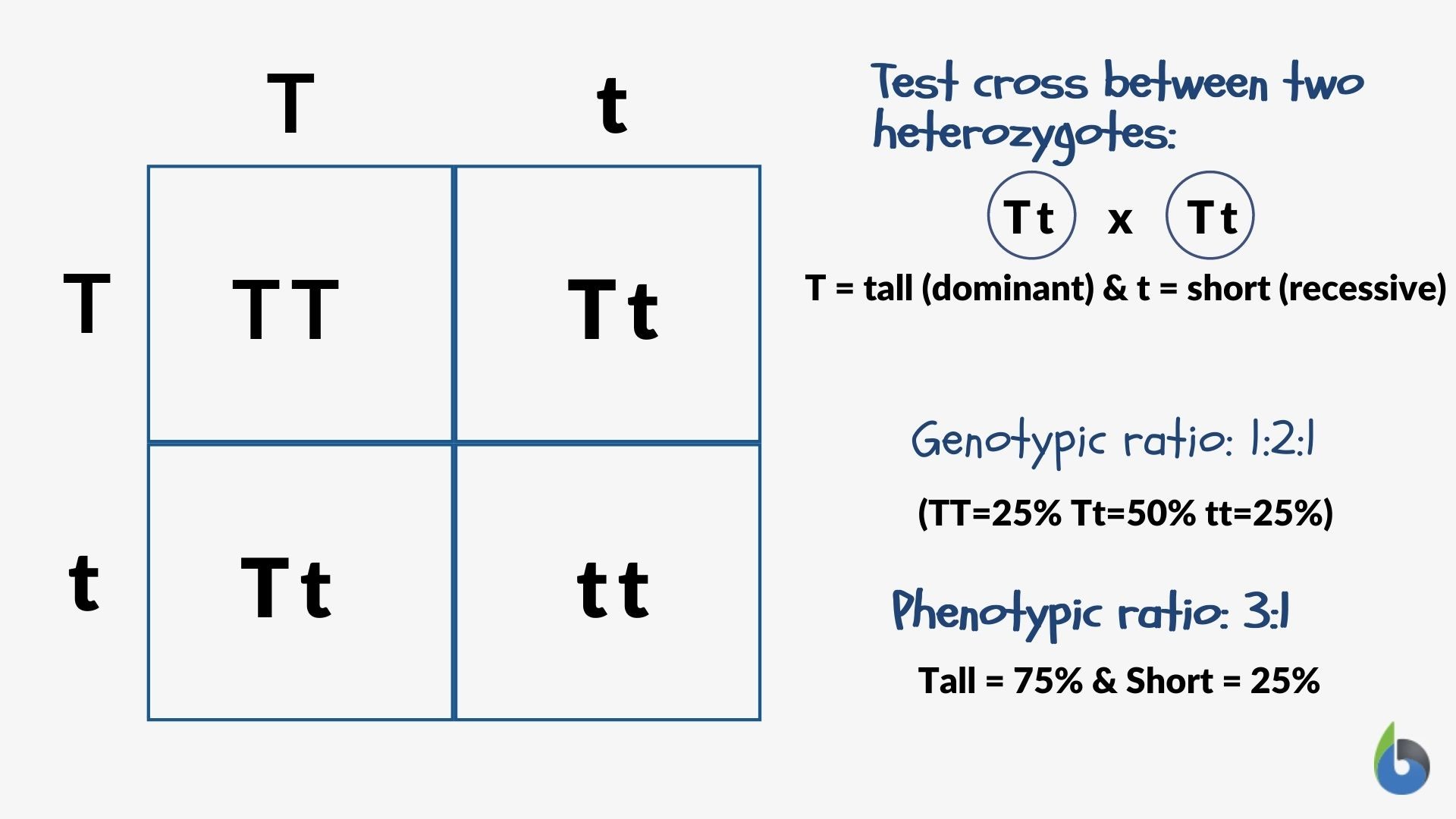
Punnett squares are a valuable tool in genetic analysis, providing a visual representation of the possible outcomes of a genetic cross. They help predict the inheritance patterns of traits and the probability of offspring inheriting specific combinations of alleles.
In a Punnett square, each parent’s alleles for a particular trait are listed along the sides. The possible combinations of alleles from each parent are then filled into the squares to determine the potential genotypes of the offspring.
Simple Punnett Squares
Simple Punnett squares involve traits with dominant and recessive alleles. For example, in pea plants, the allele for tallness (T) is dominant over the allele for shortness (t). If one parent is homozygous dominant (TT) for tallness and the other is homozygous recessive (tt) for shortness, the Punnett square would look like this:
| T | ||
|---|---|---|
| t | Tt | Tt |
| t | Tt | Tt |
All offspring would be heterozygous (Tt) for tallness, exhibiting the dominant phenotype.
Limitations of Punnett Squares
While Punnett squares are a useful tool, they have limitations. They do not account for:
- Incomplete dominance:When neither allele is dominant, resulting in an intermediate phenotype.
- Codominance:When both alleles are expressed in the phenotype.
- Multiple alleles:When a trait is determined by more than two alleles.
- Epistasis:When the expression of one gene affects the expression of another gene.
Advanced Punnett Square Calculations
Beyond basic Punnett squares, more complex scenarios involve multiple genes and alleles. These advanced calculations provide deeper insights into inheritance patterns and genetic probabilities.
Dihybrid Crosses
In a dihybrid cross, two genes with two alleles each are considered. The Punnett square is constructed by combining the gametes from each parent for both genes. This results in a 4×4 square, with each cell representing a possible genotype for the offspring.
For example, consider a cross between pea plants with two genes: seed color (G/g) and seed shape (R/r). The Punnett square would be:
| GR | Gr | gR | gr | |
|---|---|---|---|---|
| GR | GG RR | GG Rr | Gg RR | Gg Rr |
| Gr | GG Rr | GG rr | Gg Rr | Gg rr |
| gR | Gg RR | Gg Rr | gg RR | gg Rr |
| gr | Gg Rr | Gg rr | gg Rr | gg rr |
This Punnett square shows the 16 possible genotypes and their probabilities. For instance, the probability of an offspring with both dominant alleles (GG RR) is 1/16.
Other Advanced Scenarios
Advanced Punnett square calculations can also handle traits influenced by multiple alleles or genes that interact in non-Mendelian ways. For example, codominance (both alleles are expressed) or incomplete dominance (neither allele is dominant) can alter the phenotypic ratios observed.
These advanced Punnett square calculations are essential for understanding complex inheritance patterns in organisms. They provide a powerful tool for predicting the probability of specific genotypes and phenotypes, aiding in genetic research and breeding programs.
Punnett Square Applications in Real-World Scenarios: Punnett Square Calculator

Punnett squares are powerful tools that can be used to predict the inheritance patterns of traits in offspring. They have a wide range of applications in agriculture, medicine, and other fields.
Agriculture
In agriculture, Punnett squares are used to improve crop yields and livestock breeding. By understanding the genetic makeup of their plants and animals, farmers can make informed decisions about which individuals to breed together. This can lead to the development of new varieties of crops and livestock that are more resistant to disease, produce higher yields, or have other desirable traits.
Medicine
In medicine, Punnett squares are used to predict genetic disorders and guide treatment. By understanding the inheritance patterns of a particular disorder, doctors can determine the risk of a child inheriting the disorder and make recommendations about family planning and treatment options.
Other Applications
Punnett squares can also be used in a variety of other fields, such as:* Evolutionary biology:To study the evolution of populations over time.
Forensic science
To identify individuals based on their DNA.
Education
To teach students about the principles of genetics.Punnett squares are a valuable tool for understanding inheritance patterns. They have a wide range of applications in agriculture, medicine, and other fields. By understanding how Punnett squares work, you can gain a better understanding of the world around you.
Punnett Square Resources and Tools
Online Punnett square calculators and interactive tools are valuable resources for both students and researchers in genetics. These tools allow users to quickly and easily generate Punnett squares for a variety of scenarios, making it easier to predict the possible outcomes of genetic crosses.
Online Punnett Square Calculators
There are a number of online Punnett square calculators available, each with its own unique features and capabilities. Some of the most popular calculators include:
- Punnett Square Calculator(https://www.biologycorner.com/resources/punnett-square-calculator.html): This calculator allows users to enter the genotypes of two parents and generate a Punnett square showing the possible genotypes of their offspring.
- Interactive Punnett Square Tool(https://www.khanacademy.org/science/ap-biology/intro-to-ap-biology/ap-intro-to-heredity/a/using-punnett-squares-to-predict-offspring-genotypes): This tool allows users to create interactive Punnett squares and explore the possible outcomes of genetic crosses.
- Punnett Square Calculator with Probability(https://www.calculatorsoup.com/calculators/biology/punnett-square-calculator.php): This calculator allows users to calculate the probability of each possible genotype in a Punnett square.
Benefits and Limitations of Different Punnett Square Resources
The benefits of using online Punnett square calculators include:
- Convenience:Online calculators are quick and easy to use, making them a convenient option for students and researchers who need to generate Punnett squares.
- Accuracy:Online calculators are generally accurate, as they are programmed to follow the rules of Mendelian genetics.
- Versatility:Online calculators can be used to generate Punnett squares for a variety of scenarios, including single-gene crosses, dihybrid crosses, and sex-linked crosses.
However, there are also some limitations to using online Punnett square calculators:
- Limited customization:Some online calculators may not allow users to customize the parameters of their Punnett squares, such as the number of alleles or the type of cross.
- Lack of explanation:Some online calculators do not provide any explanation of the results, which can make it difficult for users to understand the implications of their findings.
- Potential for errors:It is important to note that online calculators are not foolproof and may occasionally produce errors. Therefore, it is always a good idea to double-check the results of an online calculator with a manual calculation.
Comparison of Punnett Square Tools, Punnett square calculator
The following table compares the features and capabilities of various Punnett square tools:
| Feature | Punnett Square Calculator | Interactive Punnett Square Tool | Punnett Square Calculator with Probability |
|---|---|---|---|
| Number of alleles | 2 | 2 or more | 2 or more |
| Type of cross | Single-gene, dihybrid, sex-linked | Single-gene, dihybrid, sex-linked | Single-gene, dihybrid |
| Probability calculation | No | No | Yes |
| Customization | Limited | High | Limited |
| Explanation of results | No | No | No |
Outcome Summary

As we conclude our exploration of Punnett square calculator, we recognize its significance as an indispensable tool for unraveling the mysteries of genetics. Whether you seek to enhance crop yields, understand genetic disorders, or simply unravel the intricacies of inheritance, this guide has provided you with the knowledge and resources to embark on your own genetic discoveries.
Remember, the world of genetics is a vast and ever-evolving landscape. As you continue your exploration, embrace the opportunity to delve deeper into the intricacies of this captivating field. With each new discovery, you contribute to the collective understanding of life’s fundamental building blocks.