Dive into the world of pool maintenance with our pool pump size calculator! This handy tool empowers you to calculate the ideal pump size for your pool, ensuring crystal-clear water and optimal performance. Read on to explore the factors that influence pump selection and how our calculator can help you achieve a sparkling oasis.
Matching the pump flow rate to your pool size is crucial for efficient filtration and energy savings. Our calculator simplifies this process, providing precise recommendations based on your pool’s volume and shape.
Pool Volume and Flow Rate Calculation
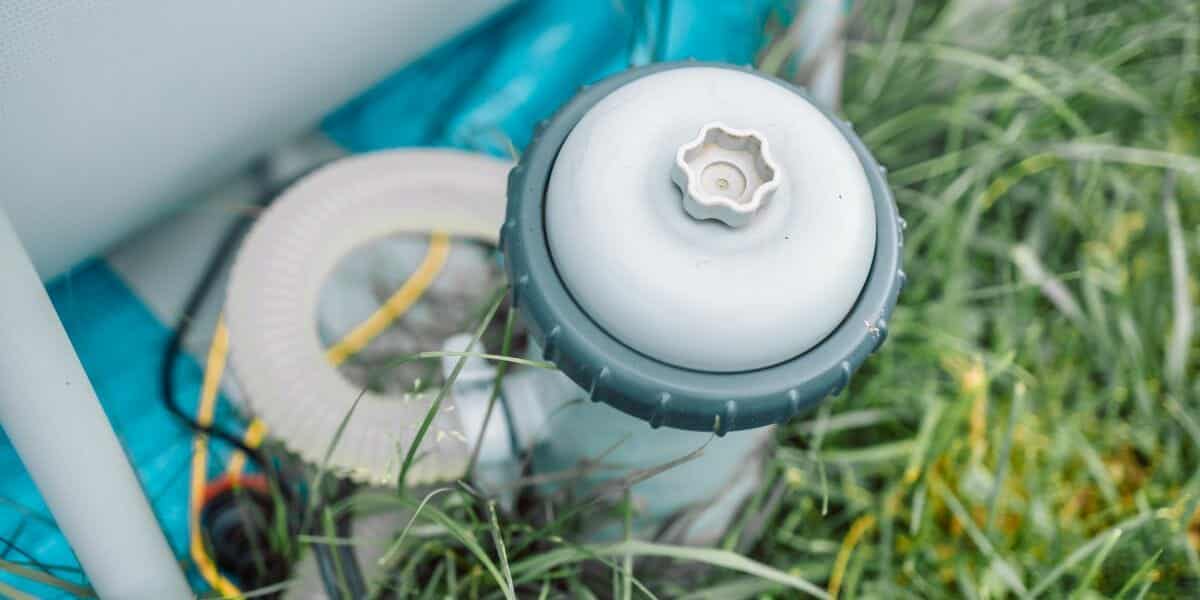
Understanding the relationship between pool volume and pump flow rate is crucial for efficient pool operation. The pump’s flow rate determines how quickly water circulates through the pool’s filtration system, ensuring proper water quality and clarity.
The general rule of thumb is to select a pump with a flow rate that can turn over the entire pool volume within 8-12 hours. This means that the pump should be able to circulate an amount of water equal to the pool’s volume within that timeframe.
Formula for Flow Rate Calculation
The formula for calculating the required flow rate (FR) based on pool volume (V) is as follows:
FR (gallons per hour) = V (gallons) / Turnover time (hours)
For example, if your pool holds 10,000 gallons and you want a turnover time of 8 hours, the required flow rate would be:
FR = 10,000 gallons / 8 hours = 1,250 gallons per hour
Pump Horsepower Selection: Pool Pump Size Calculator
The horsepower of a pool pump is a crucial factor that determines its ability to circulate and filter the water effectively. Selecting the right pump horsepower is essential to ensure optimal pool performance and energy efficiency.
Several factors influence pump horsepower selection, including:
- Pool Size:Larger pools require more powerful pumps to circulate the water effectively.
- Pool Shape:Pools with complex shapes, such as kidney-shaped or L-shaped pools, may require higher horsepower pumps due to increased water resistance.
- Equipment:Additional pool equipment, such as waterfalls, fountains, and heaters, can increase the water flow demand, necessitating a higher horsepower pump.
Recommended Pump Horsepower, Pool pump size calculator
The following table provides a general guideline for selecting the appropriate pump horsepower based on pool size:
| Pool Size (gallons) | Recommended Pump Horsepower |
|---|---|
| Up to 15,000 | 1/2
|
15,000
|
1 |
25,000
|
1.5 |
40,000
|
2 |
| 60,000 and above | 2.5 or higher |
Energy Efficiency Considerations
When selecting a pump horsepower, energy efficiency should also be considered. Higher horsepower pumps consume more energy, leading to increased operating costs. It is recommended to choose a pump that meets the minimum horsepower requirement for your pool size and equipment, while also considering the energy efficiency rating.
Pipe Size and Length Determination
The size and length of the pipes in a pool pump system play a crucial role in ensuring optimal pump performance. These factors directly impact the flow rate, pressure loss, and overall efficiency of the system.
The relationship between pipe diameter, length, and flow rate can be illustrated using a table or diagram. Generally, larger diameter pipes allow for higher flow rates with reduced pressure loss. Conversely, longer pipes result in increased pressure loss due to friction and resistance to water flow.
Pressure Loss Considerations
Pressure loss is a critical factor to consider when designing the piping system. Excessive pressure loss can lead to reduced flow rates, inefficient pump operation, and potential damage to the pump or other components.
- Pipe Diameter:Larger diameter pipes have lower pressure loss compared to smaller diameter pipes for the same flow rate.
- Pipe Length:Longer pipes increase pressure loss due to increased friction and resistance to water flow.
- Pipe Material:Different pipe materials have varying friction coefficients, which affect pressure loss. Smooth-walled pipes, such as PVC or CPVC, have lower friction coefficients and therefore lower pressure loss.
- Pipe Fittings:Fittings, such as elbows, tees, and valves, introduce additional pressure loss due to changes in flow direction and turbulence.
To minimize pressure loss and ensure efficient pump operation, it is essential to carefully determine the appropriate pipe size and length based on the specific requirements of the pool pump system.
Equipment and Filtration Considerations

Selecting the appropriate pool pump size involves considering the equipment and filtration requirements. Different types of pool filters have varying flow rate demands, and additional equipment, such as heaters and waterfalls, can further impact the pump’s capacity.
Understanding these factors ensures that the chosen pump can effectively circulate water and maintain a clean and healthy pool environment.
Pool Filters and Flow Rate Requirements
Pool filters are essential for removing impurities from pool water. Different filter types have specific flow rate requirements to operate efficiently.
- Sand Filters:Require flow rates between 50 to 100 gallons per minute (GPM) per square foot of filter area.
- Cartridge Filters:Typically require lower flow rates, ranging from 20 to 50 GPM per square foot of filter area.
- Diatomaceous Earth (DE) Filters:Demand higher flow rates, typically between 100 to 150 GPM per square foot of filter area.
Impact of Additional Equipment
Heaters, waterfalls, and other pool equipment also influence pump size selection. These features require additional water flow to operate:
- Heaters:Require flow rates that match their BTU rating, typically ranging from 50 to 150 GPM.
- Waterfalls:The flow rate depends on the waterfall’s size and design, but typically requires 50 to 150 GPM.
- Automatic Pool Cleaners:Require flow rates between 20 to 50 GPM, depending on the cleaner type.
Flow Rate Requirements for Pool Equipment
The following table summarizes the approximate flow rate requirements for various pool equipment:
| Equipment | Flow Rate (GPM) |
|---|---|
| Sand Filter | 50-100 GPM per sq. ft. of filter area |
| Cartridge Filter | 20-50 GPM per sq. ft. of filter area |
| DE Filter | 100-150 GPM per sq. ft. of filter area |
| Heater | 50-150 GPM (based on BTU rating) |
| Waterfall | 50-150 GPM (based on size and design) |
| Automatic Pool Cleaner | 20-50 GPM (based on cleaner type) |
Final Wrap-Up
With our pool pump size calculator, you can bid farewell to guesswork and embrace a tailored solution that keeps your pool sparkling. Remember, a properly sized pump not only enhances water quality but also reduces energy consumption, saving you money and protecting the environment.
Dive in and discover the perfect pump for your pool today!