Welcome to the world of peptide mass calculators, where we delve into the fascinating realm of protein structure and unravel the secrets of peptide composition. From understanding the intricacies of amino acids to harnessing the power of mass spectrometry, this guide will equip you with a comprehensive understanding of this essential tool in the field of proteomics.
Delving deeper, we’ll explore the principles of peptide mass calculation, empowering you to determine the mass of peptides with precision. We’ll also shed light on the diverse peptide mass calculator tools available online, highlighting their capabilities and limitations to guide your choice.
Peptide Structure and Composition
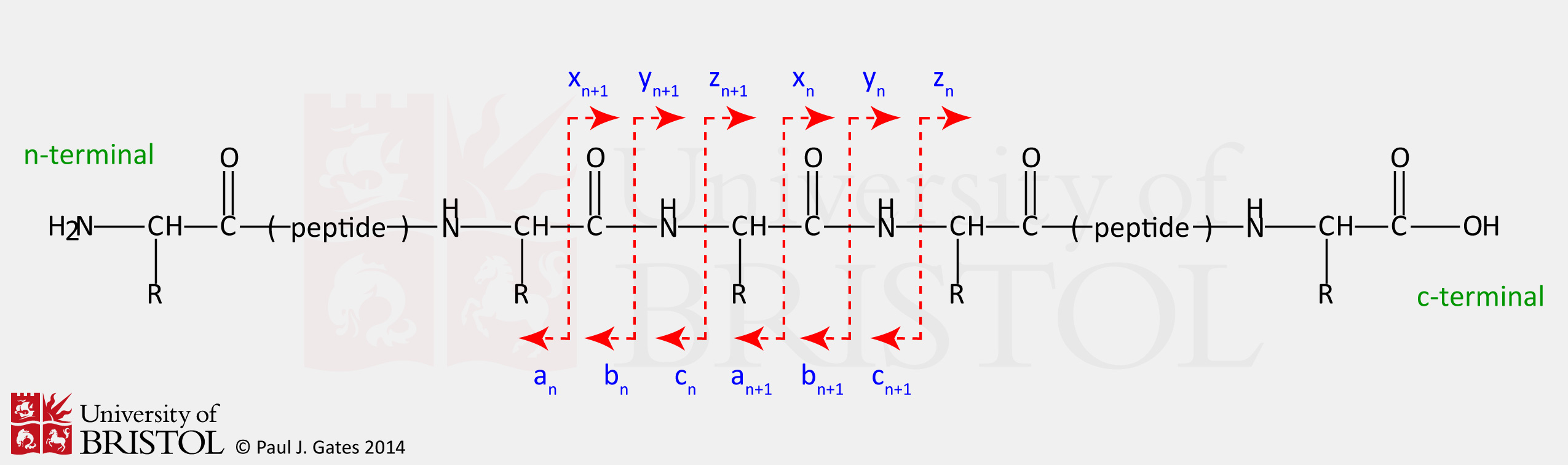
Peptides are short chains of amino acids linked by peptide bonds. Amino acids are organic compounds that contain an amino group, a carboxylic acid group, and a side chain. The side chain varies among different amino acids and determines their unique properties.
Different Amino Acids and Their Properties
There are 20 common amino acids that are found in proteins. Each amino acid has a different side chain that gives it unique chemical properties. Some amino acids are polar, while others are nonpolar. Some amino acids are charged, while others are neutral.
The properties of the side chains determine the overall properties of the peptide.
Peptide Bonds
Peptide bonds are covalent bonds that form between the amino group of one amino acid and the carboxylic acid group of another amino acid. Peptide bonds are formed during protein synthesis and are essential for the structure and function of proteins.The
sequence of amino acids in a peptide determines its primary structure. The primary structure of a peptide is responsible for its unique properties.
Peptide Mass Calculation Methods: Peptide Mass Calculator
Calculating the mass of a peptide is a crucial step in various fields, including proteomics, peptide synthesis, and bioinformatics. This process involves determining the molecular weight of a peptide based on its amino acid composition.
Several methods can be employed to calculate peptide mass, each with its own advantages and limitations. In this section, we will explore the principles and applications of these methods, providing a comprehensive guide to peptide mass calculation.
Monoisotopic Mass Calculation
Monoisotopic mass calculation considers the most abundant isotope of each element present in the peptide. This method provides the most accurate mass value, as it accounts for the specific isotopic composition of the peptide.
To calculate the monoisotopic mass of a peptide:
- Determine the monoisotopic mass of each amino acid in the peptide using a reference table or online calculator.
- Add the monoisotopic masses of all amino acids in the peptide to obtain the total monoisotopic mass.
Monoisotopic Mass = Σ(Monoisotopic Mass of Amino Acids)
Average Mass Calculation
Average mass calculation considers the average isotopic composition of each element present in the peptide. This method provides a less accurate mass value compared to monoisotopic mass calculation but is often sufficient for many applications.
To calculate the average mass of a peptide:
- Determine the average mass of each amino acid in the peptide using a reference table or online calculator.
- Add the average masses of all amino acids in the peptide to obtain the total average mass.
Average Mass = Σ(Average Mass of Amino Acids)
Peptide Mass Spectrometry
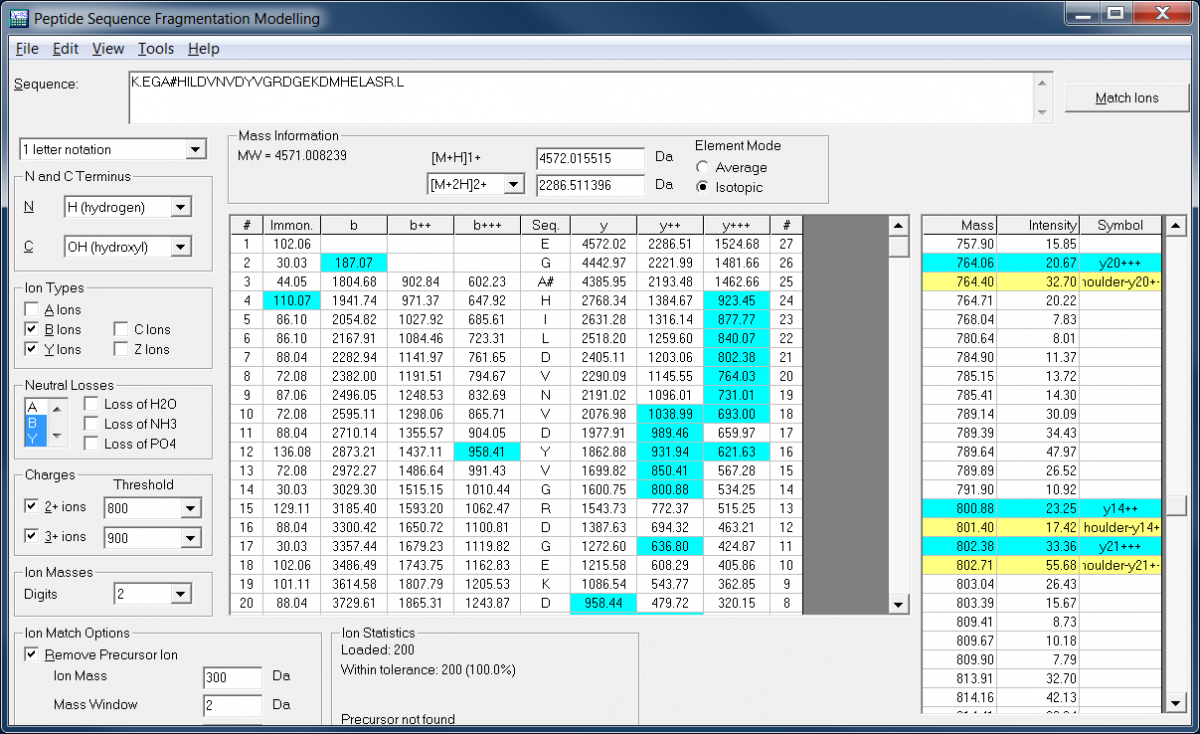
Peptide mass spectrometry is a powerful technique used to identify and characterize peptides. It involves separating peptides based on their mass-to-charge ratio (m/z) and then analyzing the resulting mass spectrum.
Principles of Peptide Mass Spectrometry
Peptide mass spectrometry is based on the principle that ions with different m/z ratios will travel at different rates through a magnetic field. The instrument used for peptide mass spectrometry is called a mass spectrometer. It consists of an ion source, a mass analyzer, and a detector.
The ion source generates ions from the peptide sample. The mass analyzer separates the ions based on their m/z ratios. The detector measures the abundance of each ion.
Applications of Peptide Mass Spectrometry in Proteomics
Peptide mass spectrometry is used in a wide variety of proteomics applications, including:
- Protein identification: Peptide mass spectrometry can be used to identify proteins by comparing the experimental mass spectrum to a database of known protein sequences.
- Protein characterization: Peptide mass spectrometry can be used to characterize proteins by determining their post-translational modifications, such as phosphorylation, glycosylation, and ubiquitination.
- Protein-protein interactions: Peptide mass spectrometry can be used to identify protein-protein interactions by cross-linking peptides from different proteins.
Peptide Mass Calculator Tools
Various peptide mass calculator tools are accessible online, each offering distinct features and capabilities. Understanding these tools and their limitations is crucial for selecting the most appropriate one for specific peptide mass calculation needs.
Available Peptide Mass Calculator Tools
- ExPASy Peptide Mass Calculator:A comprehensive tool provided by the Swiss Institute of Bioinformatics, offering advanced options like isotopic distribution calculation and post-translational modification (PTM) incorporation.
- Protein Prospector MS-Digest:A tool designed for mass spectrometry data analysis, featuring peptide mass calculation, sequence identification, and protein database searching.
- Peptide2Mass:A simple and user-friendly tool that calculates peptide mass based on amino acid sequence and optional modifications.
- Peptide Calculator:An online tool that provides basic peptide mass calculation and allows users to specify the protonation state.
- BioTools Peptide Mass Calculator:A tool that offers peptide mass calculation with various options, including mass spectrometry data simulation.
Comparison of Peptide Mass Calculator Tools
| Feature | ExPASy Peptide Mass Calculator | Protein Prospector MS-Digest | Peptide2Mass | Peptide Calculator | BioTools Peptide Mass Calculator |
|---|---|---|---|---|---|
| Isotopic Distribution Calculation | Yes | Yes | No | No | No |
| PTM Incorporation | Yes | Yes | No | No | Yes |
| Sequence Identification | No | Yes | No | No | No |
| Mass Spectrometry Data Analysis | No | Yes | No | No | Yes |
| Protonation State Specification | Yes | Yes | No | Yes | Yes |
Ending Remarks
As we conclude our journey, we hope you’ve gained a newfound appreciation for the power of peptide mass calculators in advancing our understanding of protein structure and function. Whether you’re a seasoned researcher or a curious explorer, this guide has provided you with the knowledge and resources to navigate this field with confidence.