The occupancy load calculator is an indispensable tool for ensuring the safety and well-being of building occupants. This guide will delve into the purpose, methods, applications, and advanced considerations of occupancy load calculations, providing a comprehensive understanding of this critical aspect of building design and management.
Occupancy load calculations play a pivotal role in determining the maximum number of people that can safely occupy a building or space. By understanding the factors that influence occupancy load, building designers, fire safety professionals, and crowd managers can make informed decisions to ensure the safety and comfort of building occupants.
Understanding Occupancy Load Calculations: Occupancy Load Calculator
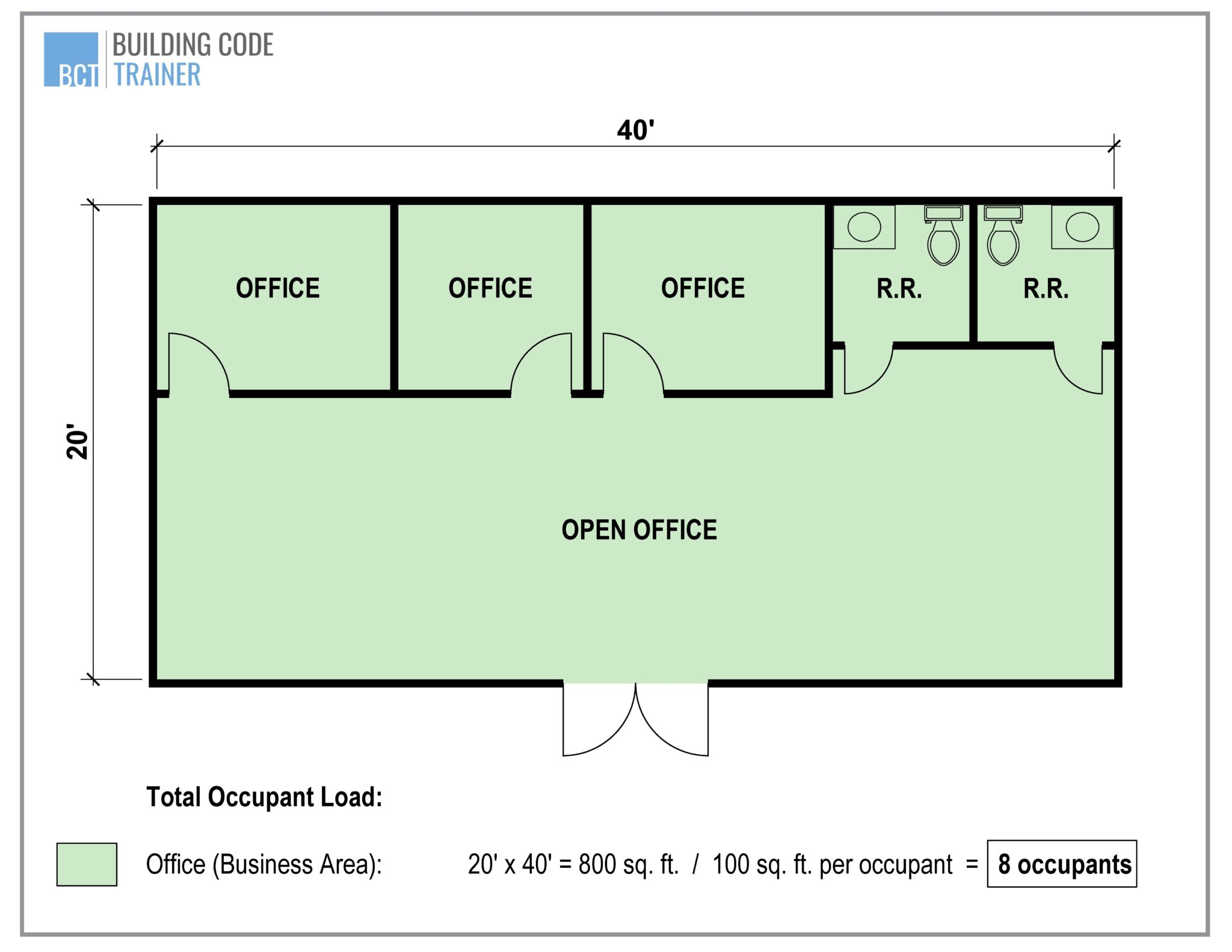
Occupancy load calculations determine the maximum number of people permitted in a space, ensuring compliance with fire and building codes. These calculations consider factors such as building type, use, and specific fire code requirements.
Building Type and Use
Building type and use significantly influence occupancy load calculations. For example, an office building typically has a lower occupancy load than a school or theater due to different space requirements and occupant behavior.
Fire Code Requirements
Fire code requirements vary by jurisdiction and building type, providing specific guidelines for occupancy load calculations. These requirements often include tables or formulas that determine the maximum occupancy based on factors like floor area, room dimensions, and egress capacity.
Methods for Calculating Occupancy Load
Calculating occupancy load is crucial for ensuring safety and compliance with building codes. Different methods are employed to determine the maximum number of occupants allowed in a space, each with its advantages and drawbacks.
Square Footage Method
- Assigns a specific area per person, typically ranging from 20 to 50 square feet.
- Advantages: Simple and straightforward to apply, suitable for large open spaces.
- Disadvantages: May not accurately reflect actual occupancy patterns, can lead to underestimation or overestimation.
Unit Method
- Uses a predetermined number of occupants per unit of space, such as per room or per workstation.
- Advantages: More accurate than the square footage method, accounts for the type of space and its intended use.
- Disadvantages: Requires detailed information about the space and its intended use, may not be suitable for complex or irregular spaces.
Occupant Count Method, Occupancy load calculator
- Involves physically counting the number of occupants in a space at a specific time.
- Advantages: Provides an accurate representation of actual occupancy, suitable for spaces with variable occupancy patterns.
- Disadvantages: Time-consuming and may not be practical for large or frequently changing spaces.
Applications of Occupancy Load Calculations
Occupancy load calculations play a crucial role in various aspects of building design and management, ensuring the safety and well-being of occupants.
Building Design
These calculations determine the maximum number of people allowed in a building or space. This information is vital for architects and engineers when designing building layouts, egress systems, and ventilation systems to accommodate the anticipated occupancy. By adhering to occupancy load limits, designers can ensure adequate space, safe evacuation routes, and proper ventilation for the occupants.
Fire Safety Planning
Occupancy load calculations are essential for fire safety planning. Fire safety codes specify the maximum occupancy load for different building types and spaces. These calculations help determine the appropriate fire protection systems, such as sprinkler systems, fire alarms, and emergency lighting, to ensure the safety of occupants in the event of a fire.
Crowd Management
In large gatherings, such as concerts, sporting events, or exhibitions, occupancy load calculations are used to manage crowd flow and prevent overcrowding. By knowing the maximum occupancy load for a specific area, event organizers can plan for appropriate crowd control measures, such as designated entrances and exits, security personnel, and crowd monitoring systems, to ensure the safety and comfort of attendees.
Advanced Considerations for Occupancy Load Calculations
Calculating occupancy load in complex buildings presents unique challenges. Mixed-use facilities, for instance, require consideration of multiple occupancy types within a single structure. High-rise structures pose additional complexities due to vertical transportation and evacuation procedures.
Technology and Data Analysis
Technological advancements have enhanced the accuracy and efficiency of occupancy load calculations. Building information modeling (BIM) software enables the creation of detailed virtual building models that incorporate occupancy data. Sensors and IoT devices can collect real-time data on occupancy patterns, providing insights into dynamic load variations.
Data analysis techniques, such as machine learning, can identify trends and predict future occupancy levels, informing design and emergency planning decisions.
Conclusion

In conclusion, occupancy load calculations are a fundamental aspect of building design and management. By understanding the purpose, methods, applications, and advanced considerations of these calculations, stakeholders can ensure the safety and well-being of building occupants while optimizing space utilization and adhering to fire code requirements.