Introducing the metal roofing calculator, your ultimate tool for estimating the cost of your new metal roof. With its user-friendly interface and comprehensive calculations, planning your metal roofing project has never been easier.
Delve into the factors that influence metal roofing costs, including roof size, slope, and material choices. Our calculator considers all these variables to provide you with an accurate estimate.
Types of Metal Roofing
Metal roofing is a popular choice for residential and commercial buildings due to its durability, longevity, and energy efficiency. Various types of metal roofing materials are available, each with unique properties and benefits.
Aluminum
- Lightweight and corrosion-resistant
- Available in a variety of colors and finishes
- Lower cost compared to other metals
Steel
- Strong and durable
- Galvanized or coated for corrosion protection
- Heavier than aluminum
Copper
- Highly durable and weather-resistant
- Develops a distinctive patina over time
- More expensive than other metals
Comparison of Metal Roofing Types
| Property | Aluminum | Steel | Copper |
|---|---|---|---|
| Durability | Good | Excellent | Outstanding |
| Cost | Low | Medium | High |
| Maintenance | Low | Medium | Low |
Factors Influencing Metal Roofing Cost: Metal Roofing Calculator

The cost of metal roofing is influenced by a range of factors. Understanding these factors can help homeowners make informed decisions and budget effectively for their roofing projects.
Roof Size and Complexity
The size of the roof is a primary determinant of cost. Larger roofs require more materials and labor, resulting in higher expenses. Additionally, the complexity of the roof, such as the presence of multiple slopes, dormers, or valleys, can increase the cost due to the additional labor and materials required.
Material Type and Gauge
The type of metal used and its gauge (thickness) affect the cost. Different metals, such as aluminum, steel, or copper, have varying prices. Thicker gauges provide increased durability but come at a higher cost.
Installation Costs
Labor costs for installing metal roofing vary depending on the complexity of the project, the skill of the contractor, and the local labor market. Factors such as the height of the roof and the need for scaffolding can also impact installation costs.
Permits and Inspections
Building permits and inspections are often required for metal roofing projects. These costs can vary depending on the local building codes and the size of the project.
Warranties, Metal roofing calculator
Metal roofing systems typically come with warranties that cover the materials and installation. The length and coverage of the warranty can affect the overall cost of the project.
Calculating Metal Roofing Square Footage

Accurate measurements are crucial for calculating the square footage of a metal roof, ensuring you purchase the correct amount of materials. Here’s a step-by-step guide to help you determine the area:
Measuring Roof Length and Width
- Measure the length and width of each roof section.
- Note down these measurements in feet or inches, depending on your preference.
Calculating Roof Area
- Multiply the length and width of each section to get the area in square feet.
- Add the areas of all sections together to get the total square footage of the roof.
Formula: Area = Length x Width
Example:
If your roof has two sections:
Section 1
Length = 20 feet, Width = 15 feet
Section 2
Length = 10 feet, Width = 8 feetArea of Section 1 = 20 x 15 = 300 square feetArea of Section 2 = 10 x 8 = 80 square feetTotal Roof Area = 300 + 80 = 380 square feet
Advantages and Disadvantages of Metal Roofing
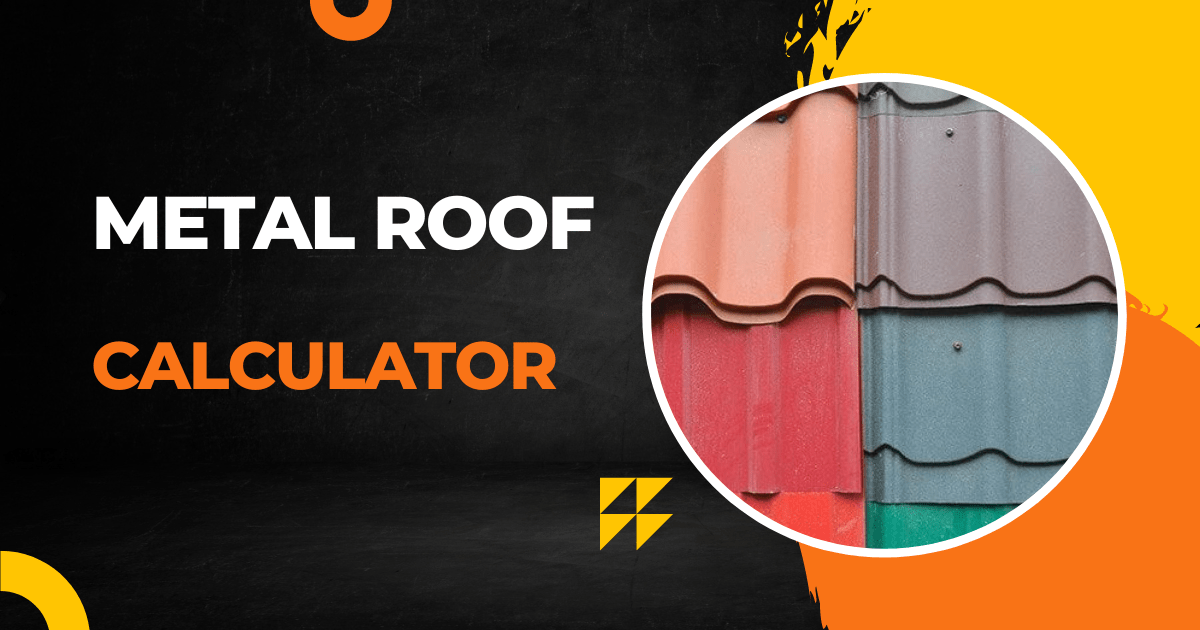
Metal roofing offers several advantages, including exceptional durability, energy efficiency, and low maintenance requirements. Its longevity is attributed to its resistance to rust, rot, and fire, ensuring a long lifespan of up to 50 years or more. Metal roofs also reflect sunlight, leading to lower energy consumption for cooling in warm climates.
Additionally, their smooth surfaces prevent debris accumulation, minimizing the need for frequent cleaning and maintenance.However, metal roofing also has potential drawbacks. One concern is noise, as rain and hail can create a noticeable sound when impacting the roof. Another consideration is the initial cost, which tends to be higher compared to traditional roofing materials like asphalt shingles.
Lastly, metal roofs are susceptible to dents, especially if subjected to hail or heavy objects falling on them.It’s important to weigh the advantages and disadvantages carefully to determine if metal roofing is the right choice for your specific needs and budget.
Conclusive Thoughts
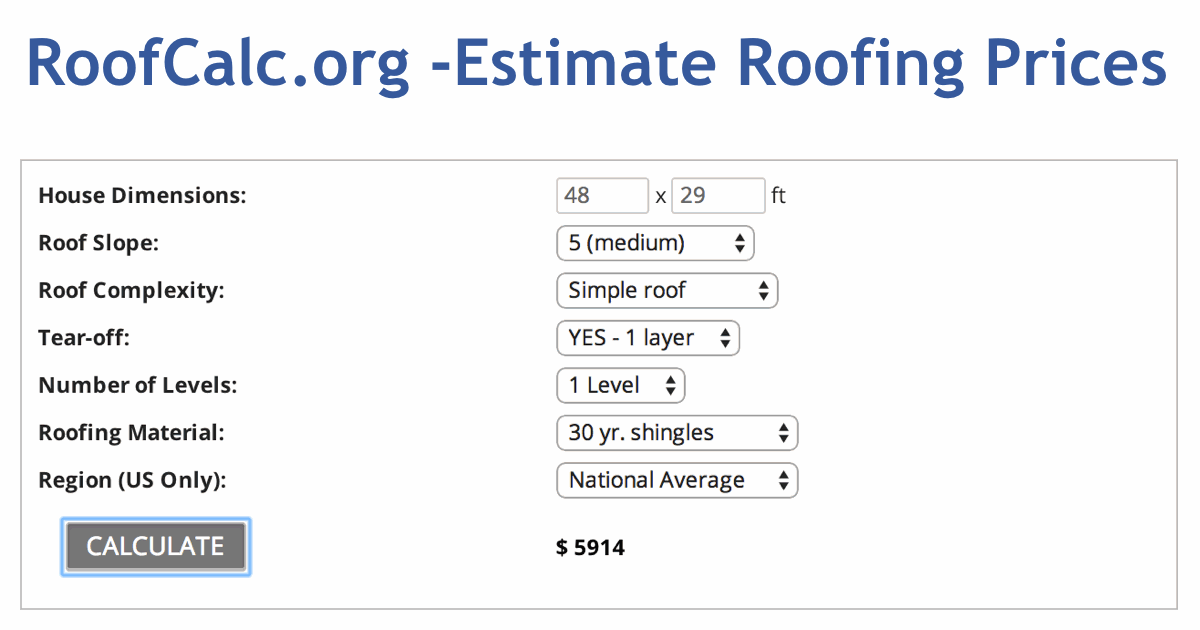
Empower yourself with the knowledge to make informed decisions about your metal roofing investment. Use our calculator to compare costs, explore different options, and plan a budget that meets your needs.