Introducing the land clearing cost calculator, your ultimate tool for budgeting and planning your land development projects. With our comprehensive calculator, you can determine the approximate expenses associated with clearing land for various purposes, including agriculture, construction, and conservation.
Delve into the factors that influence land clearing costs, such as terrain, vegetation density, and equipment requirements. Our detailed cost breakdown will guide you through the complexities of land clearing, ensuring informed decision-making.
Land Clearing Cost Breakdown
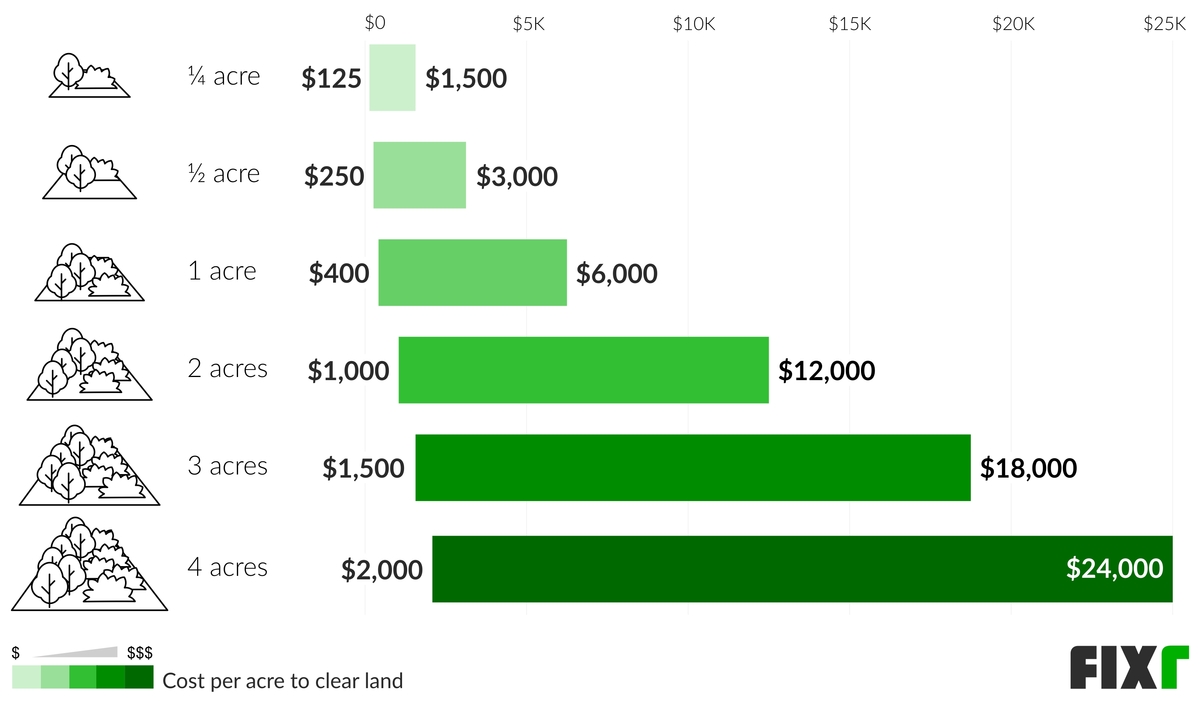
Land clearing costs vary depending on several factors, including the terrain, vegetation, and equipment used.
Terrain
Steeper slopes and rocky terrain require more specialized equipment and labor, increasing costs. Flatter land with minimal obstacles is less expensive to clear.
Vegetation
Dense vegetation, such as forests, requires more time and effort to clear than grasslands or shrublands. Trees with large root systems or invasive species can also increase costs.
Equipment
The type of equipment used for land clearing can significantly impact costs. Bulldozers and excavators are commonly used, but specialized equipment like mulchers or stump grinders may be necessary for specific vegetation types.
DIY Land Clearing Methods
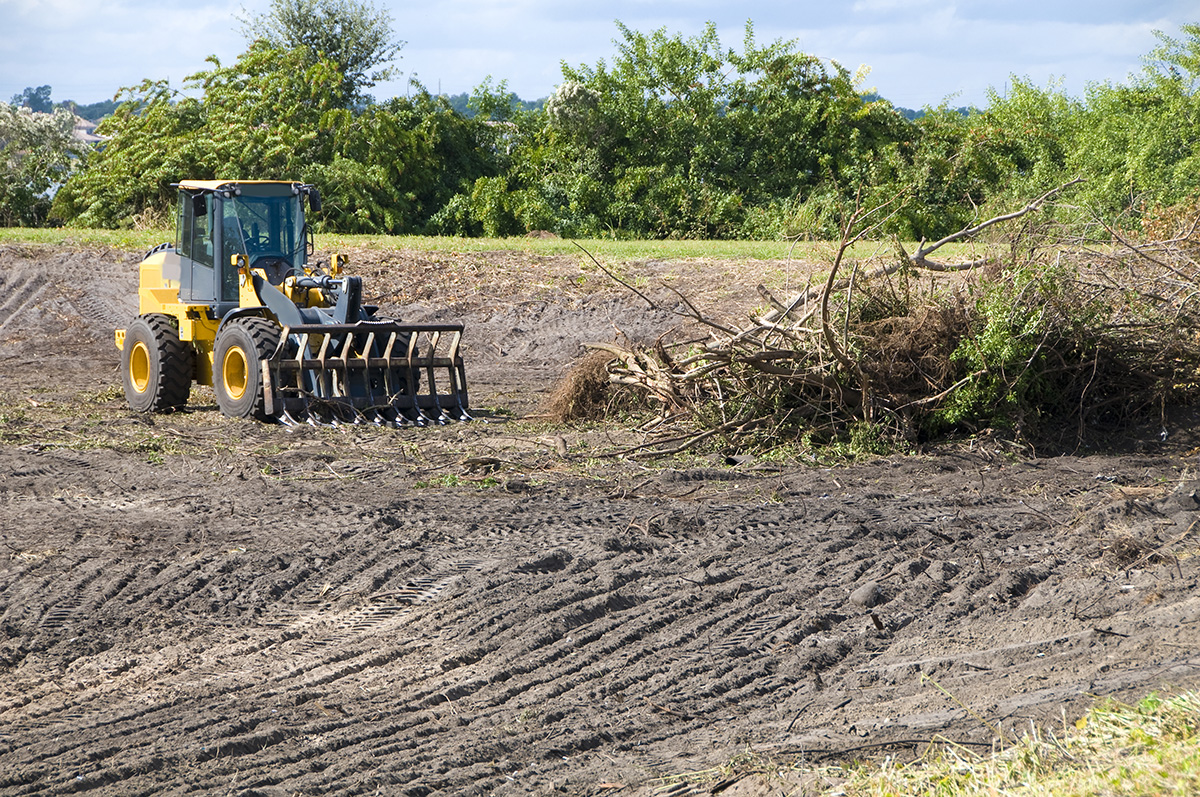
DIY land clearing can be a cost-effective option for small areas, but it’s important to weigh the pros and cons before making a decision.
Pros of DIY land clearing:
- Cost-effective
- Control over the process
- Can be a satisfying accomplishment
Cons of DIY land clearing:
- Can be physically demanding
- Requires specialized equipment
- Can be dangerous if not done properly
Manual Land Clearing Methods
If you decide to clear land yourself, there are a few manual methods you can use.
Using a chainsaw:
- Wear appropriate safety gear, including gloves, eye protection, and earplugs.
- Start by clearing a path through the vegetation.
- Cut trees and brush at a 45-degree angle, making sure to leave a stump.
- Be careful not to cut yourself or others.
Using a brush cutter:
- Wear appropriate safety gear, including gloves, eye protection, and earplugs.
- Start by clearing a path through the vegetation.
- Use the brush cutter to cut brush and small trees.
- Be careful not to hit rocks or other objects that could damage the blade.
Tips for safely and effectively clearing small areas of land:
- Start by clearing a path through the vegetation so you can move around safely.
- Wear appropriate safety gear, including gloves, eye protection, and earplugs.
- Be careful not to cut yourself or others.
- Take breaks as needed to avoid fatigue.
- If you encounter any obstacles, such as large trees or rocks, you may need to hire a professional.
Land Clearing Equipment Options
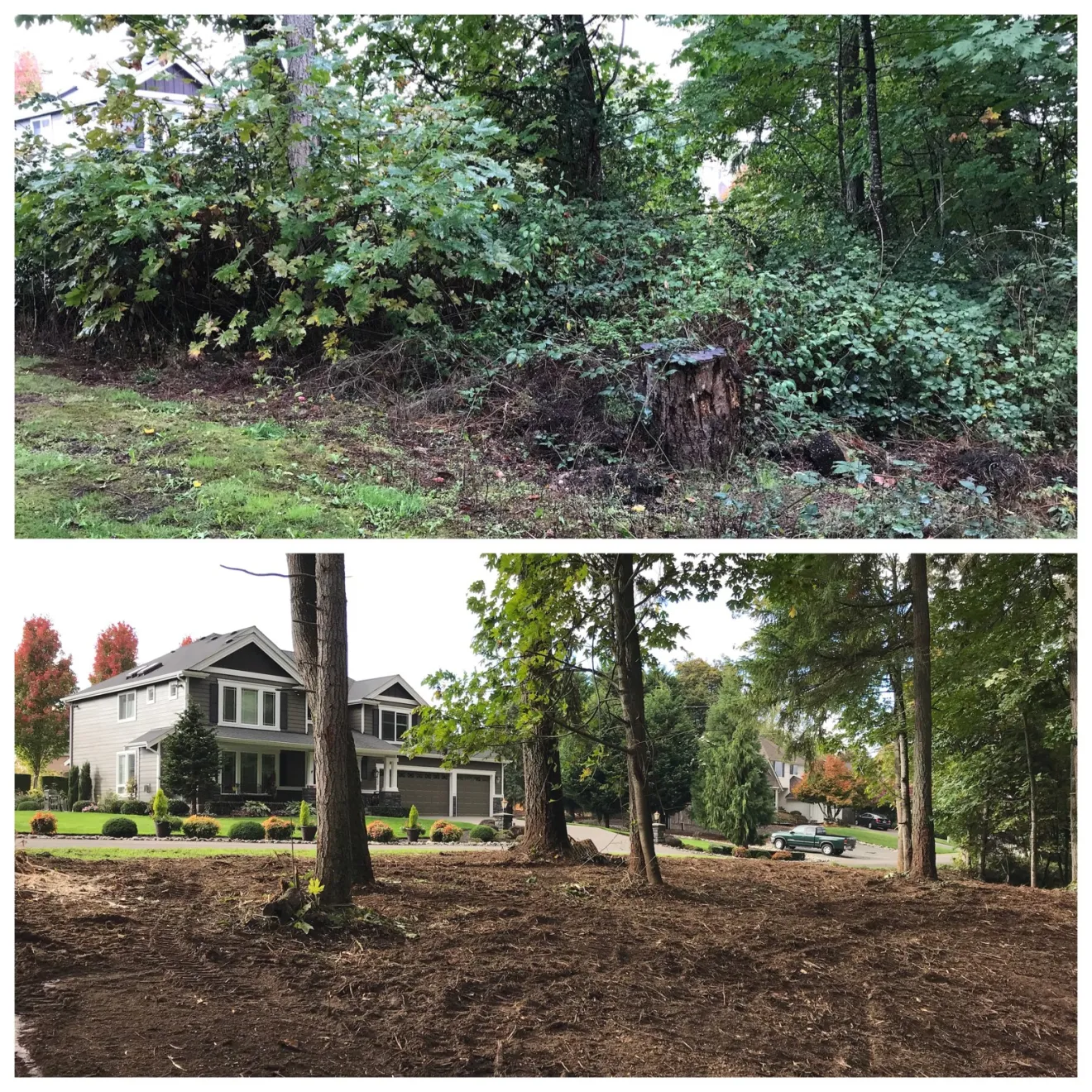
Choosing the right equipment for land clearing is crucial to ensure efficiency and cost-effectiveness. Various types of equipment are available, each with its own advantages and disadvantages.
Bulldozers
Bulldozers are powerful machines designed for heavy-duty land clearing. They feature a large blade that can push or scrape vegetation, trees, and debris. Bulldozers are ideal for large-scale clearing operations and can handle dense vegetation and rough terrain.
Advantages:
- High power and efficiency
- Can handle large trees and dense vegetation
- Suitable for rough terrain
Disadvantages:
- Can be expensive to rent or purchase
- May require skilled operators
- Can damage soil if not used properly
Excavators
Excavators are versatile machines with a hydraulic arm and a bucket attachment. They can dig, lift, and move materials, making them suitable for land clearing and other construction tasks.
Advantages:
- Versatility for various tasks
- Can handle different types of vegetation
- Precision digging and excavation capabilities
Disadvantages:
- Lower power compared to bulldozers
- May require multiple passes for heavy clearing
- Can be more expensive to rent or purchase
Mulching Machines
Mulching machines are specialized equipment that grinds and mulches vegetation, leaving behind a layer of organic matter. They are ideal for clearing smaller areas or maintaining existing cleared land.
Advantages:
- Efficient for smaller areas
- Leaves behind organic matter that improves soil health
- Relatively affordable to rent or purchase
Disadvantages:
- Not suitable for large-scale clearing or dense vegetation
- May require multiple passes for effective mulching
- Can create dust and noise during operation
Equipment Cost Estimates
The cost of land clearing equipment varies depending on the type, size, and availability. Here are approximate cost estimates:
| Equipment | Rental Cost (Per Day) | Purchase Cost |
|---|---|---|
| Bulldozer (Medium) | $500-$1,000 | $100,000-$250,000 |
| Excavator (Mini) | $200-$400 | $25,000-$50,000 |
| Mulching Machine | $100-$250 | $10,000-$25,000 |
Note: These estimates are for general guidance only and may vary depending on location, availability, and specific equipment specifications.
Environmental Considerations for Land Clearing

Land clearing is a necessary step in many development projects, but it can also have a significant impact on the environment. It is important to be aware of the potential environmental impacts of land clearing and to take steps to minimize damage.One
of the most significant environmental impacts of land clearing is soil erosion. When trees and other vegetation are removed, the soil is no longer protected from the wind and rain. This can lead to soil erosion, which can damage water quality and cause flooding.Another
environmental impact of land clearing is habitat loss. When forests and other natural areas are cleared, animals lose their homes and food sources. This can lead to a decline in biodiversity and can have a negative impact on the entire ecosystem.Land
clearing can also lead to water pollution. When soil is eroded, it can carry pollutants into waterways. These pollutants can harm aquatic life and make water unsafe for drinking.
Best Practices for Minimizing Environmental Damage During Land Clearing
There are a number of best practices that can be followed to minimize the environmental damage caused by land clearing. These practices include:
- Clearing only the land that is absolutely necessary.
- Using selective clearing methods to remove only the trees and vegetation that need to be removed.
- Retaining as much of the natural vegetation as possible.
- Using erosion control measures to prevent soil erosion.
- Replanting native trees and vegetation to restore the ecosystem.
Sustainable Land Clearing Techniques, Land clearing cost calculator
There are a number of sustainable land clearing techniques that can be used to minimize environmental damage. These techniques include:
- Using mulching to cover the soil and prevent erosion.
- Using no-till farming methods to minimize soil disturbance.
- Using prescribed burns to clear land without damaging the soil.
By following these best practices and using sustainable land clearing techniques, it is possible to minimize the environmental damage caused by land clearing.
Ultimate Conclusion: Land Clearing Cost Calculator
Whether you’re a seasoned professional or embarking on a DIY land clearing project, our calculator provides valuable insights and empowers you to estimate costs accurately. Embrace the convenience of our tool and make informed choices that align with your project goals and budget.