
Embark on a journey to unravel the mysteries of iron deficiency with our comprehensive iron deficit calculator. Dive into a world where understanding your iron levels becomes effortless, empowering you to take control of your health and well-being.
Within this guide, we will explore the intricacies of iron deficiency, its impact on your body, and the invaluable role of our iron deficit calculator in unraveling its complexities.
Iron Deficiency Symptoms and Effects

Iron deficiency, a common nutritional disorder, arises when the body lacks sufficient iron to produce red blood cells. Understanding its symptoms and potential health consequences is crucial for timely diagnosis and appropriate management.Iron deficiency manifests through a range of symptoms, including fatigue, weakness, pale skin, shortness of breath, and cold intolerance.
Additionally, individuals may experience brittle nails, hair loss, and an impaired immune system. In severe cases, iron deficiency can lead to anemia, a condition characterized by abnormally low red blood cell count or hemoglobin levels.
Health Consequences of Untreated Iron Deficiency
Untreated iron deficiency can have severe health consequences, including:
- Iron deficiency anemia:Anemia can cause fatigue, shortness of breath, and impaired cognitive function.
- Heart problems:Iron deficiency can weaken the heart muscle, leading to an increased risk of heart failure.
- Pregnancy complications:Iron deficiency during pregnancy can increase the risk of premature birth and low birth weight.
- Developmental delays in children:Iron deficiency can impair brain development in children, leading to developmental delays.
Table: Summary of Iron Deficiency Symptoms and Effects
| Symptom | Effect |
|---|---|
| Fatigue | Reduced energy levels |
| Weakness | Diminished muscle strength |
| Pale skin | Lack of color due to reduced hemoglobin |
| Shortness of breath | Difficulty breathing due to insufficient oxygen delivery |
| Cold intolerance | Inability to maintain body temperature |
| Brittle nails | Weakened and easily broken nails |
| Hair loss | Thinning and loss of hair |
| Impaired immune system | Increased susceptibility to infections |
| Iron deficiency anemia | Low red blood cell count or hemoglobin levels |
Iron Intake and Sources

Iron is an essential mineral that plays a crucial role in various bodily functions, including red blood cell production, oxygen transport, and energy metabolism. Meeting the recommended daily iron intake is vital for maintaining optimal health.
The recommended daily intake of iron varies depending on age, gender, and physiological status. Here’s a general overview:
- Infants (0-6 months):0.27 mg
- Infants (7-12 months):11 mg
- Children (1-3 years):7 mg
- Children (4-8 years):10 mg
- Children (9-13 years):8 mg
- Females (14-18 years):15 mg
- Females (19-50 years):18 mg
- Females (51+ years):8 mg
- Males (14-18 years):11 mg
- Males (19+ years):8 mg
- Pregnant women:27 mg
- Breastfeeding women:10 mg
Iron can be obtained from various dietary sources. Some of the richest sources include:
- Red meat:Beef, lamb, and pork
- Seafood:Clams, oysters, and mussels
- Beans and lentils:Kidney beans, black beans, and lentils
- Dark leafy greens:Spinach, kale, and collard greens
- Fortified cereals:Breakfast cereals often contain added iron
It’s important to note that the absorption rate and bioavailability of iron vary depending on its source. Heme iron, found in animal products, is more easily absorbed than non-heme iron, found in plant-based sources. However, consuming vitamin C and citric acid can enhance the absorption of non-heme iron.
Iron Supplementation: Iron Deficit Calculator
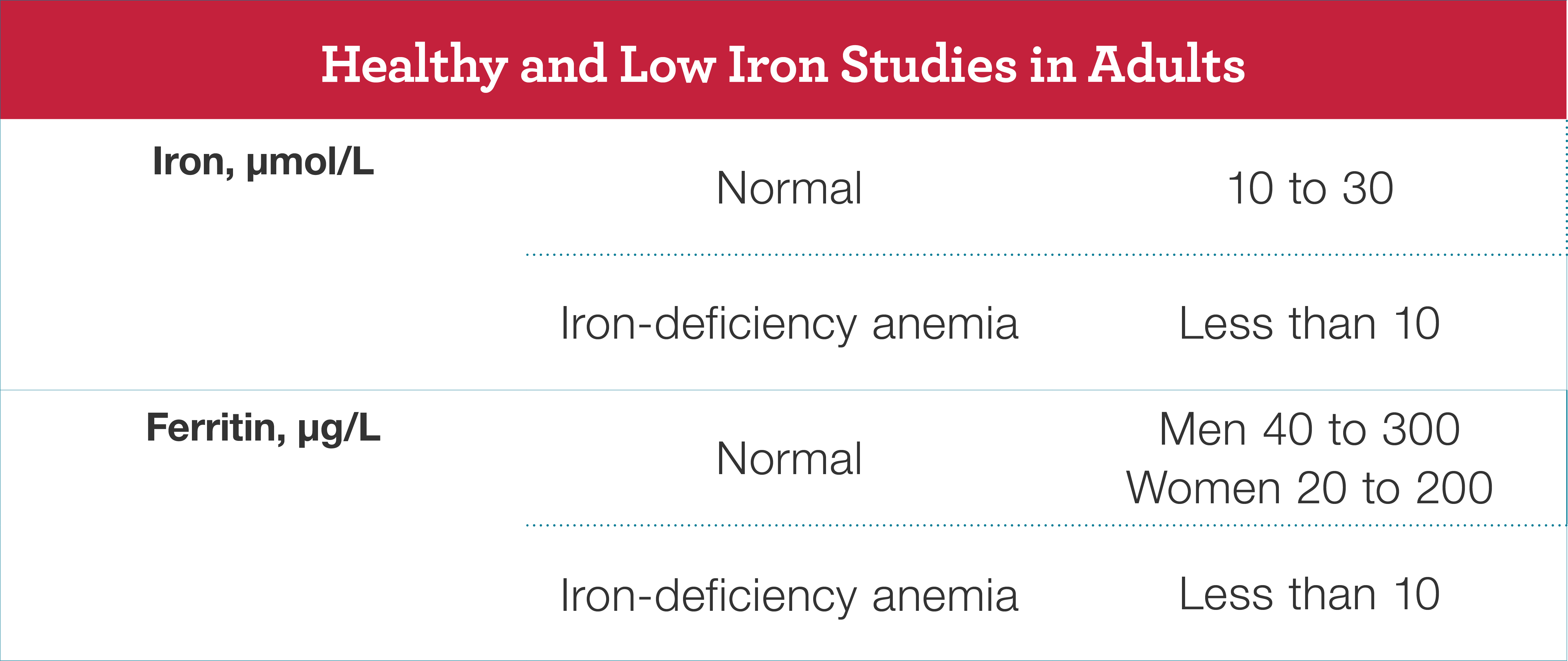
Iron supplementation may be necessary when dietary intake is insufficient to meet the body’s needs. This can occur due to various factors, such as poor absorption, increased iron requirements (e.g., during pregnancy or heavy menstrual bleeding), or conditions that limit iron absorption (e.g.,
celiac disease).
When choosing an iron supplement, it’s crucial to consider the type of iron, dosage, and potential interactions with other medications or supplements. Consult a healthcare professional for personalized recommendations.
Potential Side Effects and Interactions
Iron supplements can cause side effects such as constipation, nausea, and abdominal pain. These side effects can be minimized by taking iron with meals or choosing a gentler form of iron, such as ferrous gluconate or ferrous fumarate.
Iron supplements can also interact with certain medications, including antacids, calcium supplements, and antibiotics. It’s essential to inform your healthcare provider about all medications and supplements you are taking to avoid potential interactions.
Iron Deficit Calculator Features
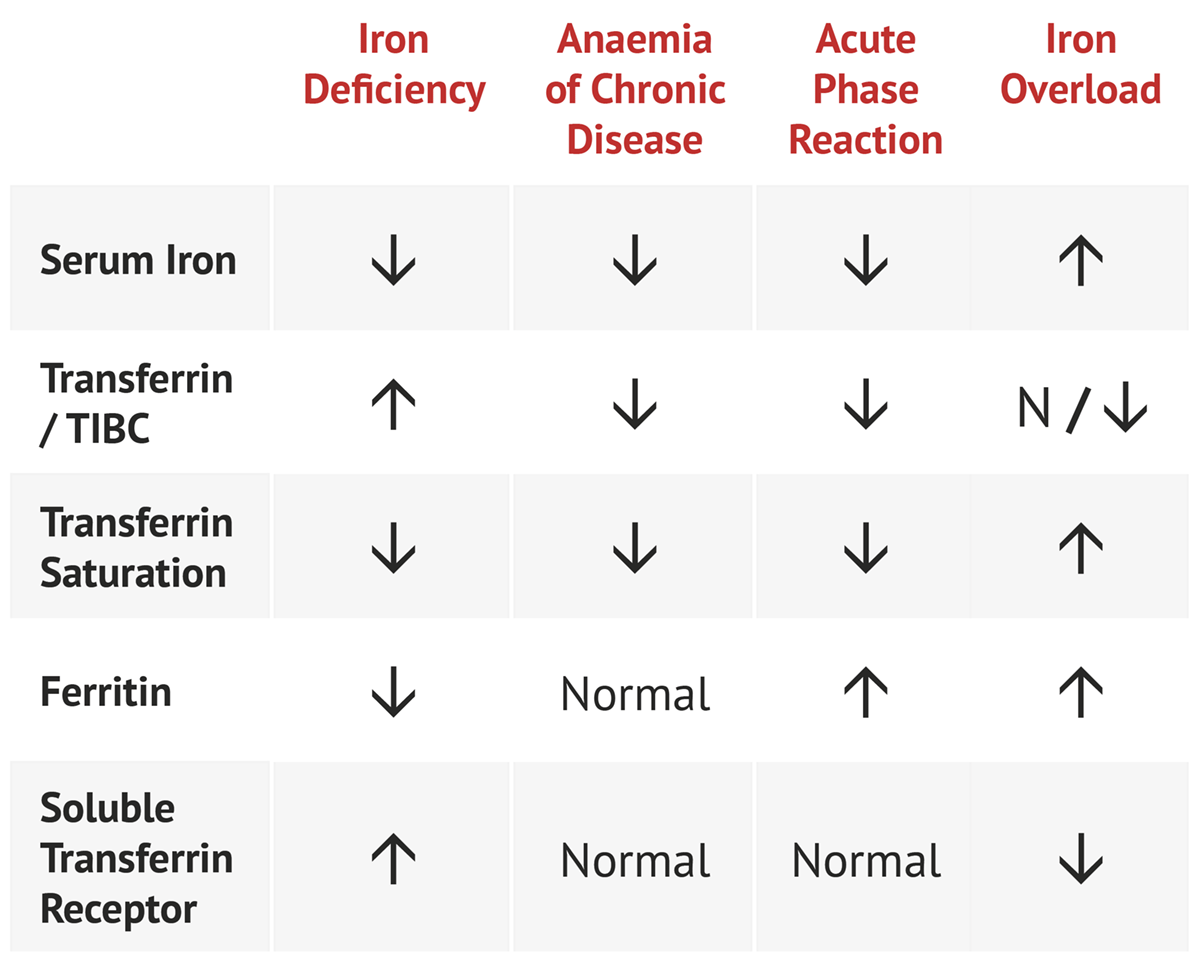
Iron deficit calculators are online tools that estimate the likelihood of iron deficiency based on an individual’s characteristics and symptoms.
These calculators typically ask for information such as age, sex, weight, height, diet, and symptoms experienced. They then use this information to calculate an estimated iron deficiency score.
How to Use an Iron Deficit Calculator
To use an iron deficit calculator, simply enter the requested information into the calculator’s fields and click the “Calculate” button. The calculator will then display an estimated iron deficiency score, which may range from “low risk” to “high risk.”
It’s important to note that iron deficit calculators are only estimates and should not be used as a substitute for medical advice. If you are concerned about your iron levels, it is important to see a doctor for a blood test to confirm a diagnosis of iron deficiency.
Limitations and Accuracy of Iron Deficit Calculators
Iron deficit calculators have some limitations. For example, they may not be accurate for people with certain medical conditions, such as anemia or kidney disease. Additionally, the accuracy of these calculators can vary depending on the quality of the information entered.
Despite these limitations, iron deficit calculators can be a useful tool for estimating the likelihood of iron deficiency. If you are concerned about your iron levels, using an iron deficit calculator can help you decide whether to see a doctor for further evaluation.
Conclusive Thoughts
As we conclude our exploration of iron deficiency, remember that knowledge is power. Our iron deficit calculator is your ally in understanding your iron levels, enabling you to make informed decisions about your health. Embrace the power of knowledge and unlock a healthier, more vibrant you.
