
How to calculate water bill – Calculating your water bill is a crucial step in managing your household expenses. This guide will walk you through the process, ensuring accuracy and avoiding common pitfalls. Let’s dive into the world of water bill calculations!
Water Usage Data Collection
Collecting accurate water usage data is essential for effective water management. This data can be used to identify areas of high consumption, track progress towards conservation goals, and make informed decisions about water allocation.
Methods for Collecting Water Usage Data
There are several methods for collecting water usage data, including:
- Manual meter reading:This involves manually recording the water meter reading at regular intervals, such as monthly or quarterly.
- Automatic meter reading (AMR):AMR systems use electronic devices to collect water meter readings remotely, typically via radio or cellular networks.
- Advanced metering infrastructure (AMI):AMI systems are more sophisticated than AMR systems and provide real-time water usage data, as well as additional information such as leak detection and power outages.
Importance of Accurate Water Usage Data
Accurate water usage data is essential for effective water management. This data can be used to:
- Identify areas of high consumption and target conservation efforts.
- Track progress towards conservation goals and make adjustments as needed.
- Make informed decisions about water allocation and pricing.
- Detect leaks and other water system problems early on.
Water Rates and Charges

Water rates and charges are the fees that water utilities charge their customers for the water they use. These rates and charges can vary significantly from one utility to another, depending on a number of factors, including the cost of water production and distribution, the demand for water, and the regulatory environment.
There are two main types of water rates: flat rates and volumetric rates. Flat rates are a fixed charge that is not based on the amount of water used. Volumetric rates, on the other hand, are based on the amount of water used, as measured by a water meter.
Factors that Influence Water Rates
A number of factors can influence water rates, including:
- The cost of water production and distribution: This includes the cost of treating and pumping water, as well as the cost of maintaining the water distribution system.
- The demand for water: The demand for water can vary depending on a number of factors, including the population of the area served by the water utility, the climate, and the level of economic activity.
- The regulatory environment: The regulatory environment can also influence water rates. In some areas, water utilities are regulated by government agencies that set limits on the rates that they can charge.
Water Rate Structures
There are a number of different water rate structures that water utilities can use. Some of the most common rate structures include:
- Single-tier rates: Single-tier rates are the simplest type of water rate structure. Under a single-tier rate structure, all customers pay the same rate for water, regardless of the amount of water they use.
- Tiered rates: Tiered rates are a more complex type of water rate structure. Under a tiered rate structure, customers pay different rates for different levels of water use. For example, a water utility might charge a lower rate for the first 1,000 gallons of water used each month, and a higher rate for water use above that level.
- Inclining block rates: Inclining block rates are a type of tiered rate structure in which the rate per gallon increases as the amount of water used increases. This type of rate structure is designed to encourage customers to conserve water.
Water Bill Calculation: How To Calculate Water Bill
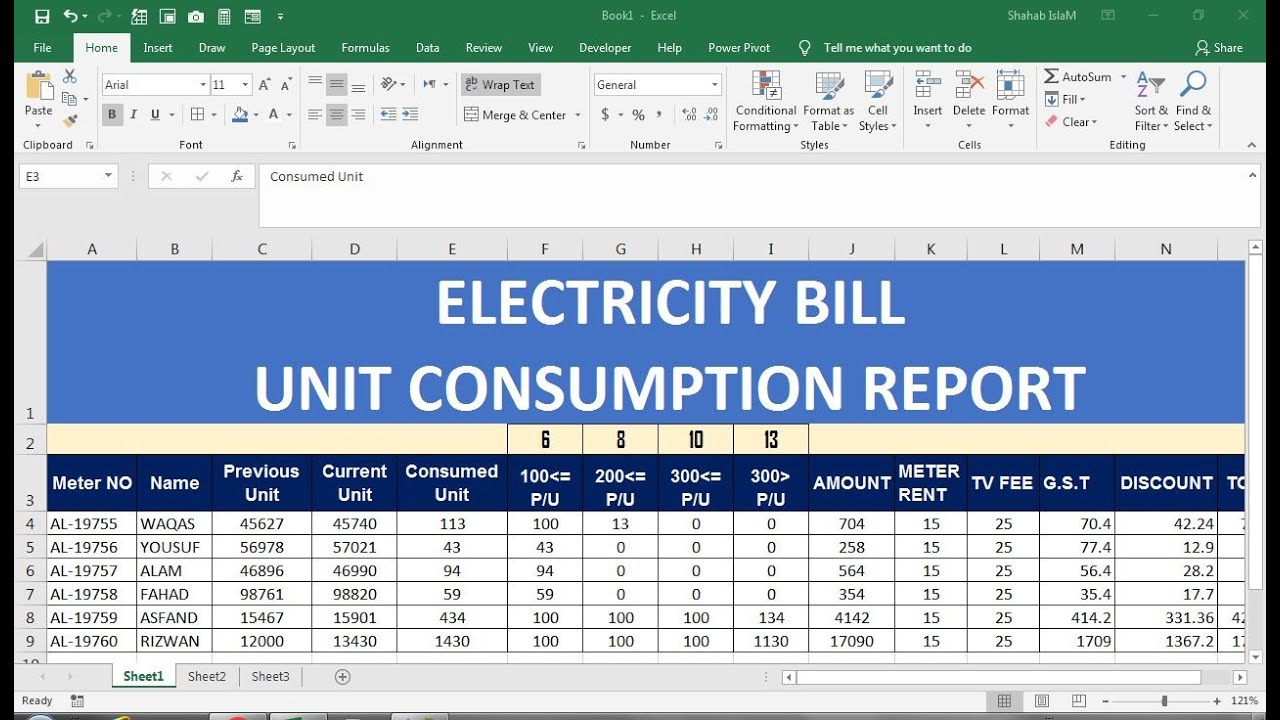
Calculating a water bill involves determining the total amount of water used and multiplying it by the applicable water rates and charges. The process typically includes the following steps:
- Read the water meter to determine the total water consumption.
- Subtract the previous water meter reading from the current reading to calculate the water used during the billing period.
- Multiply the water used by the base water rate, which is typically charged per unit of water consumed (e.g., per gallon or cubic foot).
- Add any applicable surcharges or fees, such as wastewater treatment charges or stormwater fees.
- Calculate the total water bill by adding up the base water charge and any applicable surcharges or fees.
Example of a Water Bill Calculation
Consider a water bill for a household that uses 5,000 gallons of water during a billing period. The base water rate is $0.01 per gallon, and there is a wastewater treatment surcharge of $0.02 per gallon.
- Base water charge: 5,000 gallons x $0.01/gallon = $50.00
- Wastewater treatment surcharge: 5,000 gallons x $0.02/gallon = $100.00
- Total water bill: $50.00 + $100.00 = $150.00
Common Errors in Water Bill Calculations
- Using the wrong water meter reading.
- Miscalculating the water used during the billing period.
- Applying incorrect water rates or charges.
- Failing to include applicable surcharges or fees.
- Using outdated or inaccurate water usage data.
Water Conservation Strategies

Water conservation is crucial for sustainable water management and reducing water bills. It involves adopting practices that minimize water usage without compromising hygiene or essential activities.
Benefits of water conservation include:
- Reduced water bills
- Conservation of natural resources
- Reduced energy consumption (for water heating)
- Protection of aquatic ecosystems
Tips for Reducing Water Consumption
Here are some practical tips to reduce water consumption:
- Install low-flow showerheads and faucets
- Take shorter showers
- Turn off the tap while brushing teeth or shaving
- Fix leaky faucets and toilets
- Water plants during cooler hours to minimize evaporation
- Use a broom instead of a hose to clean outdoor areas
- Consider rainwater harvesting for irrigation
Role of Water-Efficient Appliances, How to calculate water bill
Water-efficient appliances play a significant role in reducing water bills. They are designed to use less water without compromising performance.
Some examples of water-efficient appliances include:
- High-efficiency washing machines
- Low-flow dishwashers
- Dual-flush toilets
- Tankless water heaters
By investing in water-efficient appliances, you can significantly reduce your water consumption and save money on your water bills.
Closing Summary
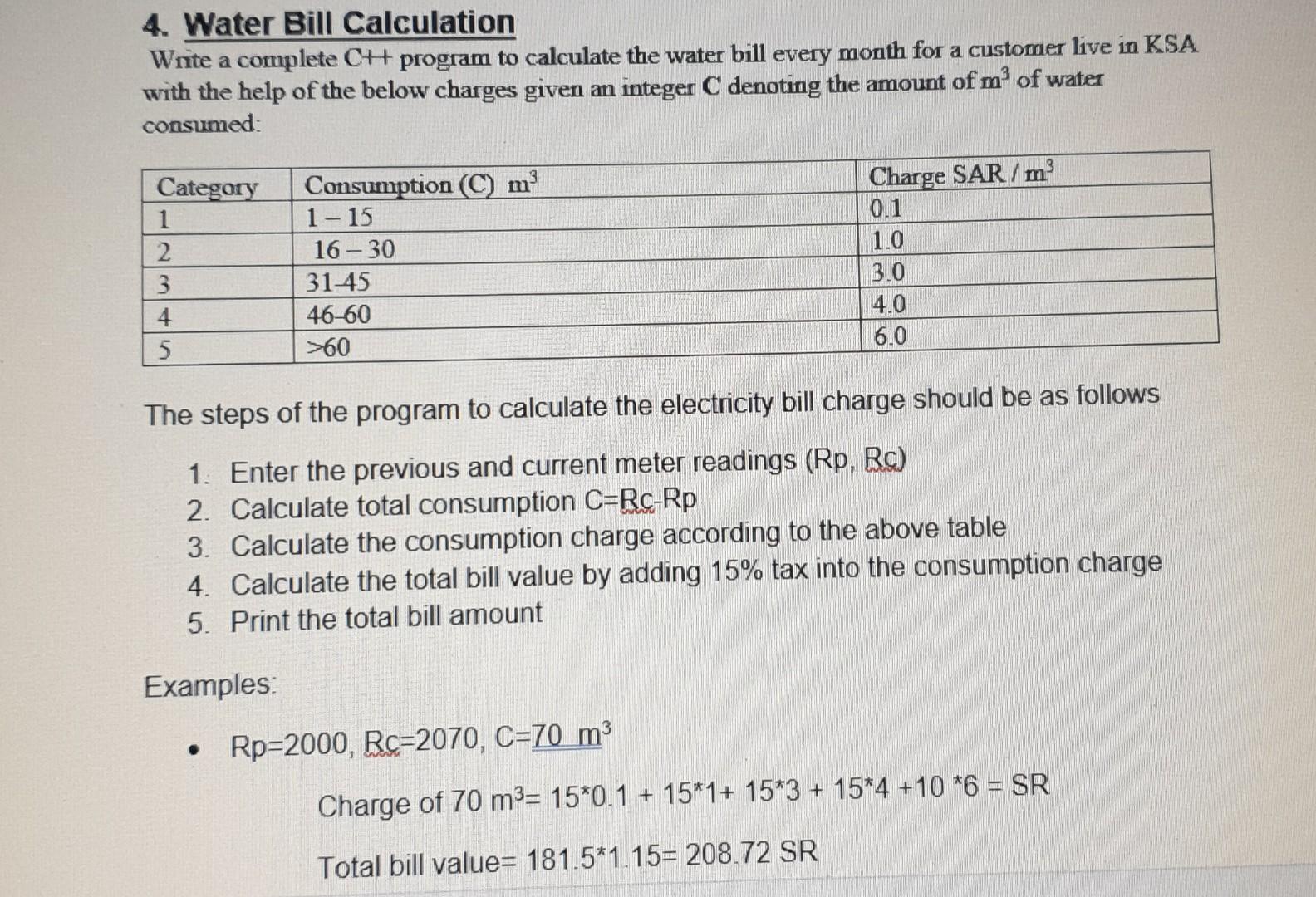
Understanding how to calculate your water bill empowers you to make informed decisions about your water usage. By implementing conservation strategies and understanding your bill, you can optimize your water consumption and reduce your expenses. Remember, every drop counts!
