
Welcome to the ultimate guide on how to calculate amp hours! Whether you’re an electrical enthusiast, a battery nerd, or simply curious about the inner workings of your devices, this guide will empower you with the knowledge and skills to navigate the world of amp hours with ease.
Amp hours, measured in Ah, are a fundamental unit of electrical energy storage. Understanding how to calculate amp hours is crucial for determining the capacity of batteries, predicting their runtime, and ensuring optimal performance in various applications.
Battery Capacity and Discharge Rate
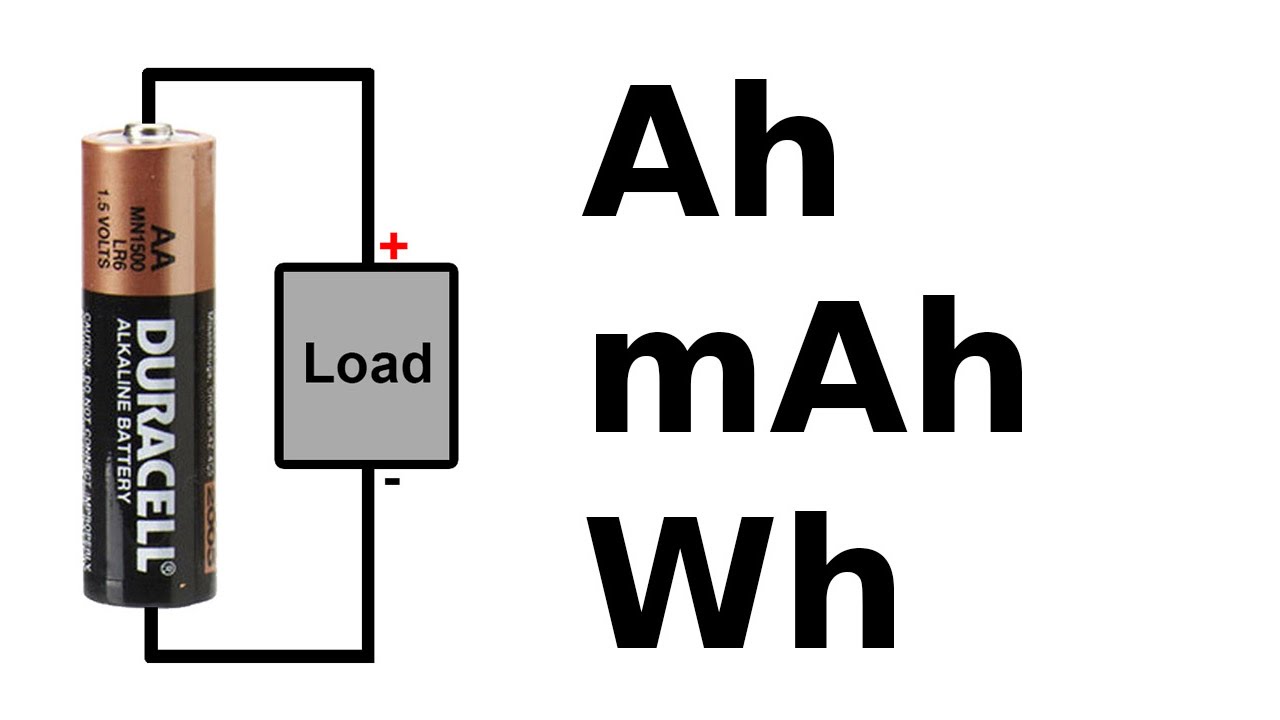
Battery capacity, measured in ampere-hours (Ah), represents the amount of electrical charge a battery can store. Discharge rate, measured in amperes (A), indicates the rate at which the battery delivers its stored energy. These two parameters are inversely related, meaning a higher discharge rate leads to a shorter battery life, and vice versa.
Formula for Battery Capacity
The relationship between battery capacity (Ah) and discharge rate (A) can be expressed mathematically as:
Ah = Duration (hours) × Discharge rate (A)
This formula allows you to calculate the battery capacity required to power a device for a specific duration at a given discharge rate.
Time-Based Calculations: How To Calculate Amp Hours
Calculating amp hours using time and current is a straightforward process that involves multiplying the current value by the time duration over which the current flows.
Determining Amp Hours Based on Time and Current
To determine the amp hours, follow these steps:
- Identify the current value:Determine the amount of current flowing through the circuit in amps (A).
- Determine the time duration:Calculate the duration for which the current flows in hours (h).
- Multiply current and time:Multiply the current value (in amps) by the time duration (in hours) to obtain the amp hours (Ah).
Amp Hours (Ah) = Current (A) × Time (h)
Parallel and Series Battery Configurations
When connecting batteries in parallel or series configurations, the amp-hour capacity changes depending on the arrangement. Understanding these configurations is crucial for calculating the total amp-hour capacity of the system.
Parallel Configuration
In a parallel configuration, the positive terminals of the batteries are connected together, and the negative terminals are connected together. This arrangement increases the total amp-hour capacity while maintaining the same voltage as the individual batteries.
Total Amp-Hours (Parallel) = Sum of Amp-Hours of Individual Batteries
For example, if you have two 12-volt batteries with 100 amp-hours each, connecting them in parallel would result in a total amp-hour capacity of 200 amp-hours.
Series Configuration
In a series configuration, the positive terminal of one battery is connected to the negative terminal of the next battery, and so on. This arrangement increases the total voltage while maintaining the same amp-hour capacity as the individual batteries.
Total Amp-Hours (Series) = Amp-Hours of Individual Batteries
Using the same example as before, connecting two 12-volt batteries with 100 amp-hours each in series would result in a total amp-hour capacity of 100 amp-hours, but the total voltage would be 24 volts.
Comparison Table
| Configuration | Total Amp-Hours | Total Voltage |
|---|---|---|
| Parallel | Sum of Individual Amp-Hours | Same as Individual Batteries |
| Series | Same as Individual Amp-Hours | Sum of Individual Voltages |
Applications and Examples

Amp hour calculations find practical applications in various fields. Understanding these applications can help you grasp the significance of this concept.
Here are some real-world examples to illustrate the use of amp hour calculations:
Battery Life Estimation, How to calculate amp hours
- Estimating the runtime of portable devices like laptops, smartphones, and power tools.
- Determining the lifespan of backup batteries in uninterruptible power supplies (UPS).
- Calculating the duration of battery-powered equipment, such as electric vehicles and drones.
Battery Capacity Selection
- Choosing the appropriate battery size for a specific device or application.
- Determining the number of batteries needed to power a system for a desired duration.
- Ensuring that the battery capacity meets the power requirements of the device.
Charging Time Estimation
- Calculating the time required to fully charge a battery.
- Determining the charging rate of a battery charger.
- Estimating the time needed to recharge a battery after discharge.
Power Consumption Analysis
- Monitoring the power consumption of devices and systems.
- Identifying areas of high power usage for optimization.
- Determining the efficiency of power sources and energy storage systems.
Conclusive Thoughts
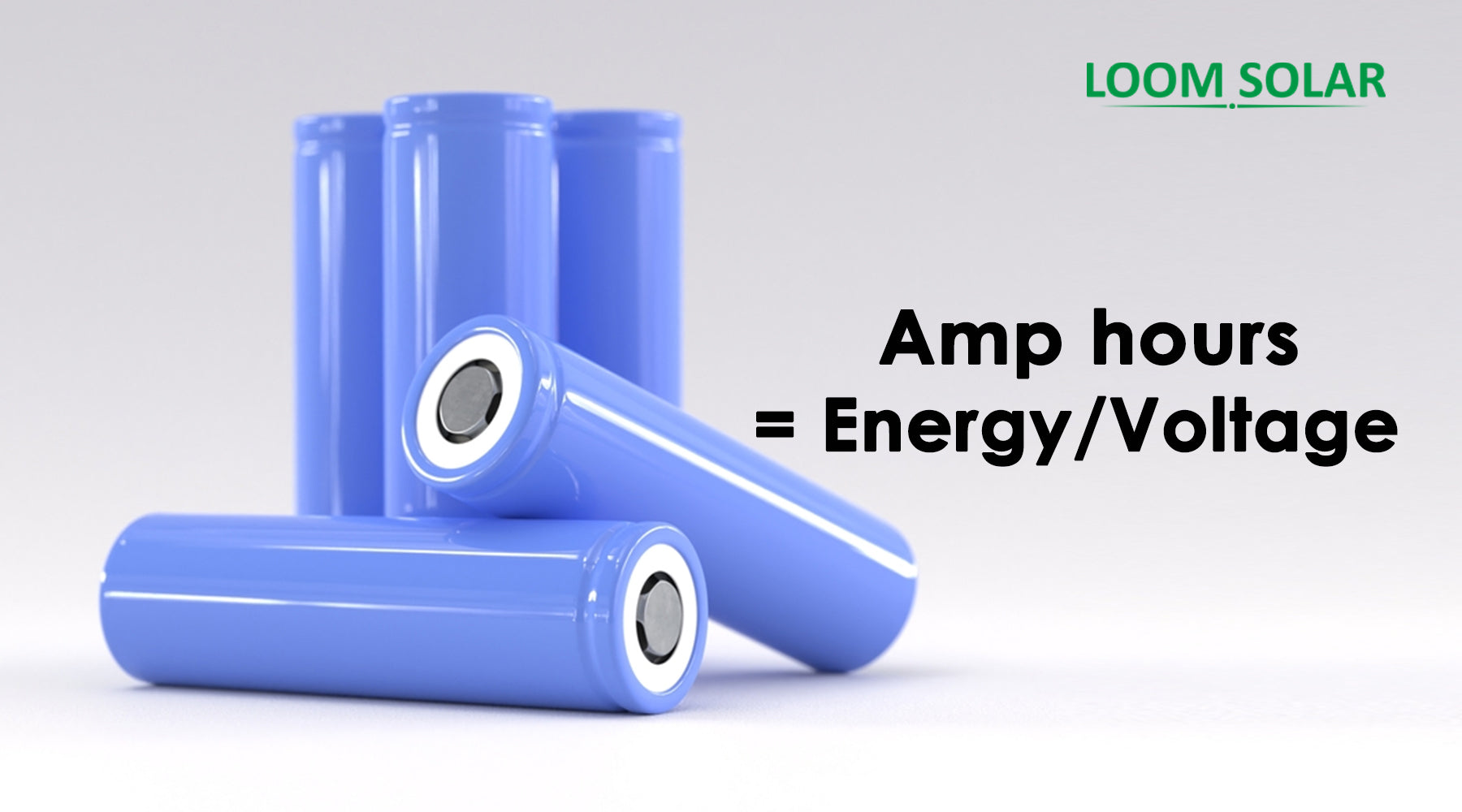
In this comprehensive guide, we’ve covered the fundamentals of amp hour calculations, including the relationship between battery capacity and discharge rate, time-based calculations, parallel and series battery configurations, and practical applications. By mastering these concepts, you’ll be equipped to make informed decisions about battery selection, system design, and troubleshooting.
Remember, amp hours are not just numbers; they represent the potential to power your devices, illuminate your spaces, and keep your gadgets running. So, embrace the knowledge, experiment with calculations, and harness the power of amp hours to optimize your electrical systems and empower your projects.
