The Grading on a Curve Calculator has emerged as an invaluable tool in education, empowering instructors with the ability to modify grades based on class performance, ensuring a fair and equitable learning environment. In this comprehensive guide, we delve into the intricacies of curve calculators, exploring their types, applications, and the nuanced art of using them effectively.
Definition and Purpose
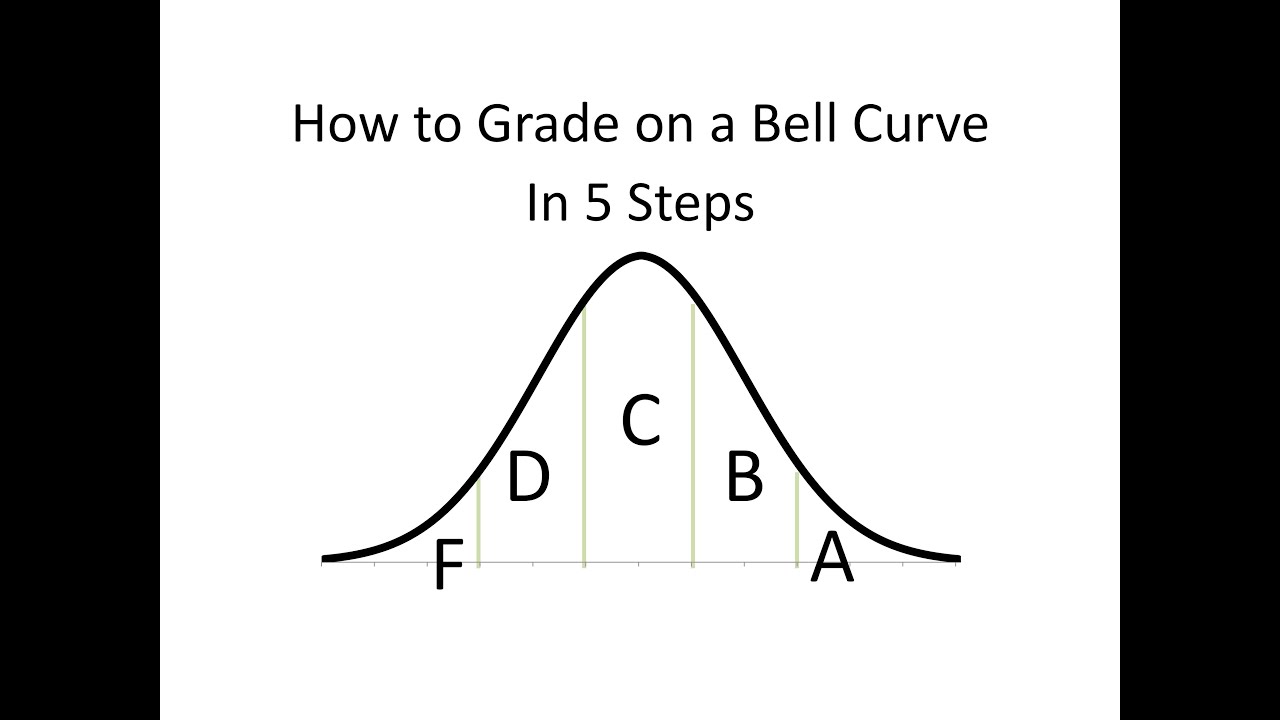
Grading on a curve is a method of adjusting student grades based on the performance of the class as a whole. The purpose of using a curve calculator is to determine the appropriate adjustments to make to ensure that the distribution of grades reflects the actual performance of the students.
How it Works
A curve calculator typically takes into account the following factors:
- The average score of the class
- The standard deviation of the scores
- The desired distribution of grades (e.g., a normal distribution)
Based on these factors, the calculator will determine the appropriate adjustments to make to the students’ scores. For example, if the average score is low and the standard deviation is high, the calculator may adjust the scores upward to reflect the fact that the class performed better than expected.
Types of Curve Calculators
Curve calculators come in various types, each with its own advantages and disadvantages. Understanding these differences helps you choose the most suitable calculator for your specific grading needs.
Relative Curve Calculators
Relative curve calculators adjust grades based on the performance of the class as a whole. They are commonly used to ensure a certain percentage of students receive a specific grade.
- Advantages:
- Ensures a predetermined distribution of grades.
- Reduces grade inflation or deflation.
- Disadvantages:
- Can penalize high-performing students if the class overall performs poorly.
- May not accurately reflect individual student performance.
Absolute Curve Calculators
Absolute curve calculators adjust grades based on a fixed scale, regardless of the class performance. They are often used to ensure a certain minimum or maximum grade for all students.
- Advantages:
- Guarantees a predetermined minimum or maximum grade.
- Prevents extreme grade discrepancies between classes.
- Disadvantages:
- May not reflect the actual distribution of student performance.
- Can lead to grade inflation or deflation if the curve is not carefully set.
Standard Deviation Curve Calculators
Standard deviation curve calculators adjust grades based on the standard deviation of the class scores. They are often used to ensure a normal distribution of grades.
- Advantages:
- Creates a more “bell-shaped” distribution of grades.
- Provides a more accurate representation of student performance.
- Disadvantages:
- Can be complex to calculate.
- May not be suitable for all classes.
How to Use a Curve Calculator
Using a curve calculator is a straightforward process that involves several key steps:
1. Inputting Raw Scores
Begin by entering the raw scores of the students into the curve calculator. This can be done manually or by uploading a spreadsheet containing the scores.
2. Selecting the Curve Type
Next, select the desired curve type. Common curve types include:
- Normal curve: A bell-shaped curve that assumes a normal distribution of scores.
- Standard curve: A curve that converts raw scores to a standard scale with a mean of 0 and a standard deviation of 1.
- Percentage curve: A curve that converts raw scores to percentages.
3. Applying the Curve
Once the curve type is selected, apply it to the raw scores. The curve calculator will adjust the scores based on the selected curve type.
4. Viewing the Curved Scores, Grading on a curve calculator
The final step is to view the curved scores. The curve calculator will typically display the curved scores in a table or graph.
Here is an example of using a curve calculator:
- Suppose you have a class of 20 students and their raw scores on a test range from 60 to 95.
- You want to apply a normal curve to the scores.
- You enter the raw scores into the curve calculator.
- You select the normal curve type.
- The curve calculator adjusts the scores based on the normal curve.
- You view the curved scores, which now range from 50 to 100.
Applications of Curve Calculators: Grading On A Curve Calculator
Curve calculators offer practical utility in various academic and professional settings where data distribution and assessment of performance are crucial.
The benefits of using a curve calculator include:
- Standardization of grading across different sections or instructors
- Fairer assessment by accounting for differences in test difficulty
- Improved comparability of grades over time or between different groups
However, limitations should also be considered:
- Potential for grade inflation if the curve is too generous
- Possible discouragement of high achievers if the curve is too strict
- Complexity of the calculation, especially for non-standard distributions
Educational Settings
Curve calculators are commonly used in educational settings to adjust grades based on the performance of the entire class. This helps ensure fairness and consistency in grading, particularly when multiple instructors teach the same course or when test difficulty varies between different sections.
For instance, if a class average falls below a predetermined threshold, a curve calculator can be used to raise the grades of all students to ensure that the majority achieve a passing grade.
Professional Evaluations
Curve calculators also find applications in professional evaluations, such as performance reviews and standardized tests. By adjusting scores based on the overall distribution of results, organizations can ensure that evaluations are fair and unbiased.
For example, in a performance review, a curve calculator can be used to ensure that the distribution of ratings aligns with the organization’s expectations for employee performance.
Closing Notes
In conclusion, the Grading on a Curve Calculator serves as a versatile tool that can enhance grading practices and promote student success. Its ability to adjust grades based on class performance fosters a culture of fair competition, while also providing valuable insights into student understanding and areas for improvement.
As educators continue to embrace innovative teaching methods, the curve calculator will undoubtedly remain a cornerstone of effective grading practices.