Embark on a culinary adventure with our comprehensive glycemic index calculator. Uncover the secrets of blood sugar management, weight optimization, and overall well-being as we guide you through the fascinating world of GI.
Our user-friendly calculator empowers you to make informed food choices, enabling you to create a tailored diet plan that aligns perfectly with your health goals.
Understanding the Glycemic Index (GI)

The glycemic index (GI) is a measure of how quickly a carbohydrate-containing food raises blood sugar levels after it is consumed. Foods with a high GI are rapidly digested and absorbed, causing a rapid increase in blood sugar levels. Foods with a low GI are digested and absorbed more slowly, leading to a more gradual increase in blood sugar levels.
The GI is an important tool for managing blood sugar levels, especially for people with diabetes. Eating foods with a low GI can help to keep blood sugar levels stable and reduce the risk of developing complications such as heart disease, stroke, and kidney disease.
Examples of Foods with High, Medium, and Low GI Values
Some examples of foods with high GI values include white bread, white rice, potatoes, and sugary drinks. Foods with medium GI values include whole-wheat bread, brown rice, oatmeal, and fruits. Foods with low GI values include beans, lentils, vegetables, and nuts.
Impact of GI on Weight Management and Overall Health
Eating a diet with a low GI can help to promote weight management and improve overall health. Foods with a low GI are more filling and satisfying than foods with a high GI, which can help to reduce calorie intake.
Eating a diet with a low GI can also help to improve insulin sensitivity, which can lead to better blood sugar control and reduced risk of developing diabetes.
Using a Glycemic Index Calculator
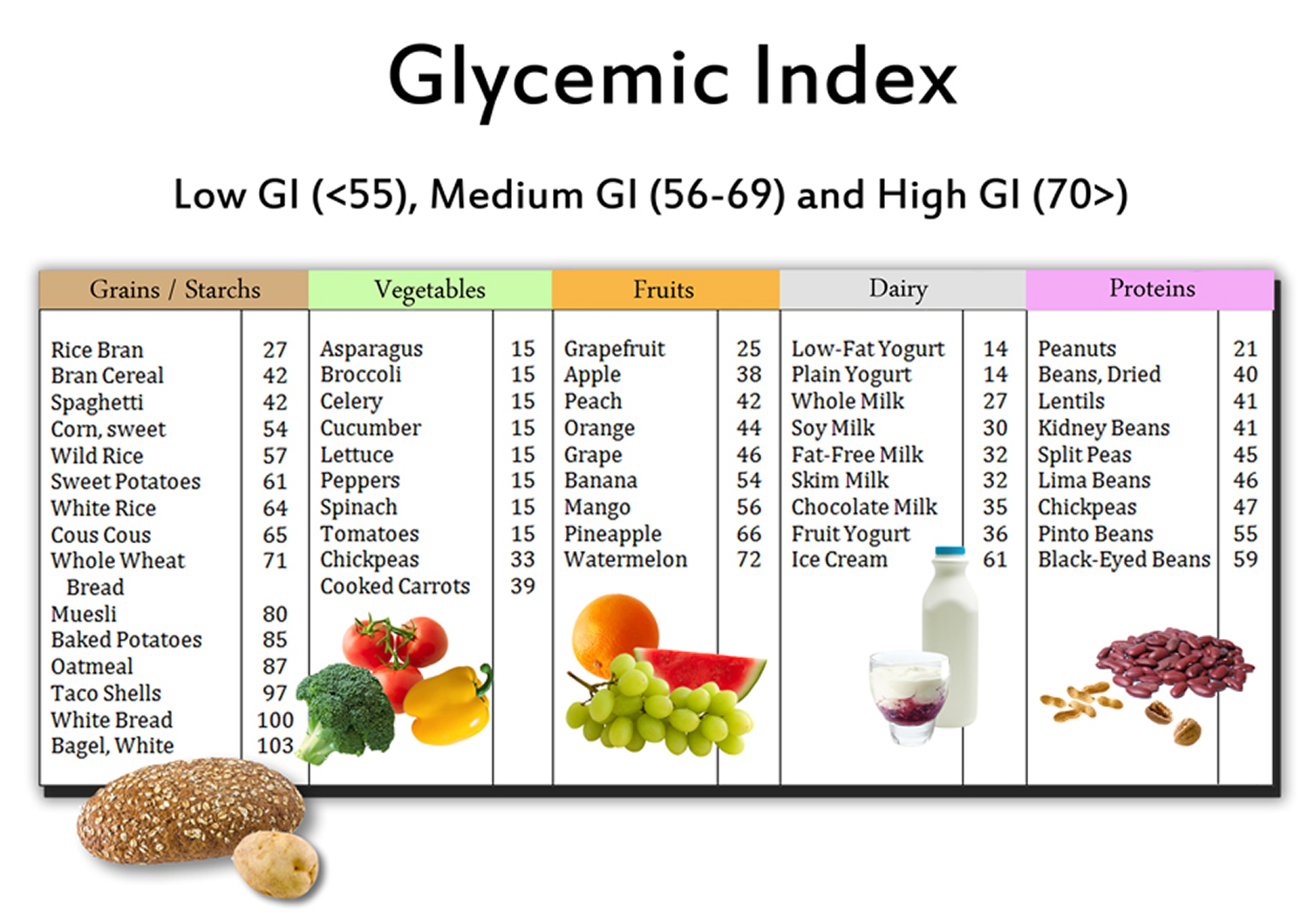
A glycemic index (GI) calculator is a tool that can help you determine the GI of specific foods. It typically involves inputting the name or type of food and then receiving an estimate of its GI value.
There are different types of GI calculators available, ranging from simple online tools to more comprehensive software programs. The accuracy of these calculators can vary depending on the data they use and the algorithms they employ.
Limitations and Considerations
When using GI calculators, it’s important to be aware of their limitations and considerations. These include:
- Data accuracy:The accuracy of a GI calculator depends on the quality of the data it uses. Some calculators may rely on outdated or incomplete data, which can affect the accuracy of the results.
- Individual variability:The GI of a food can vary depending on individual factors, such as age, weight, and activity level. A GI calculator cannot account for these individual differences.
- Portion size:The GI of a food can also be affected by the portion size. A GI calculator may not always take into account the portion size when calculating the GI value.
- Cooking methods:The cooking method can also affect the GI of a food. For example, boiling vegetables can lower their GI compared to frying them.
Despite these limitations, GI calculators can be a useful tool for estimating the GI of foods and making informed dietary choices.
Creating a Personalized GI-Based Diet Plan: Glycemic Index Calculator
A personalized GI-based diet plan is a tailored approach to managing blood sugar levels and overall health. It involves choosing foods with a low to moderate GI, which helps prevent spikes in blood sugar and promotes sustained energy levels. To create an effective plan, consider your individual needs, preferences, and lifestyle factors.
Understanding Your GI Requirements
Your GI requirements depend on several factors, including your age, weight, activity level, and health status. Consulting with a registered dietitian or healthcare professional can help you determine your specific needs. Generally, individuals with diabetes or prediabetes should aim for a lower GI diet, while those with healthy blood sugar levels may have more flexibility.
Incorporating Personal Preferences
When creating your GI-based diet plan, it’s crucial to consider your personal preferences. Choose foods that you enjoy and that fit into your lifestyle. If you don’t like certain low-GI foods, don’t force yourself to eat them. Instead, find alternatives that you find palatable and satisfying.
Using a GI Calculator, Glycemic index calculator
A GI calculator is a valuable tool for optimizing meal choices and managing blood sugar levels. These calculators allow you to input the foods you eat and calculate their GI. By tracking your GI intake, you can identify foods that may be causing blood sugar spikes and make adjustments accordingly.
Many online GI calculators are available, making it easy to incorporate this information into your daily routine.
Incorporating GI into Meal Planning
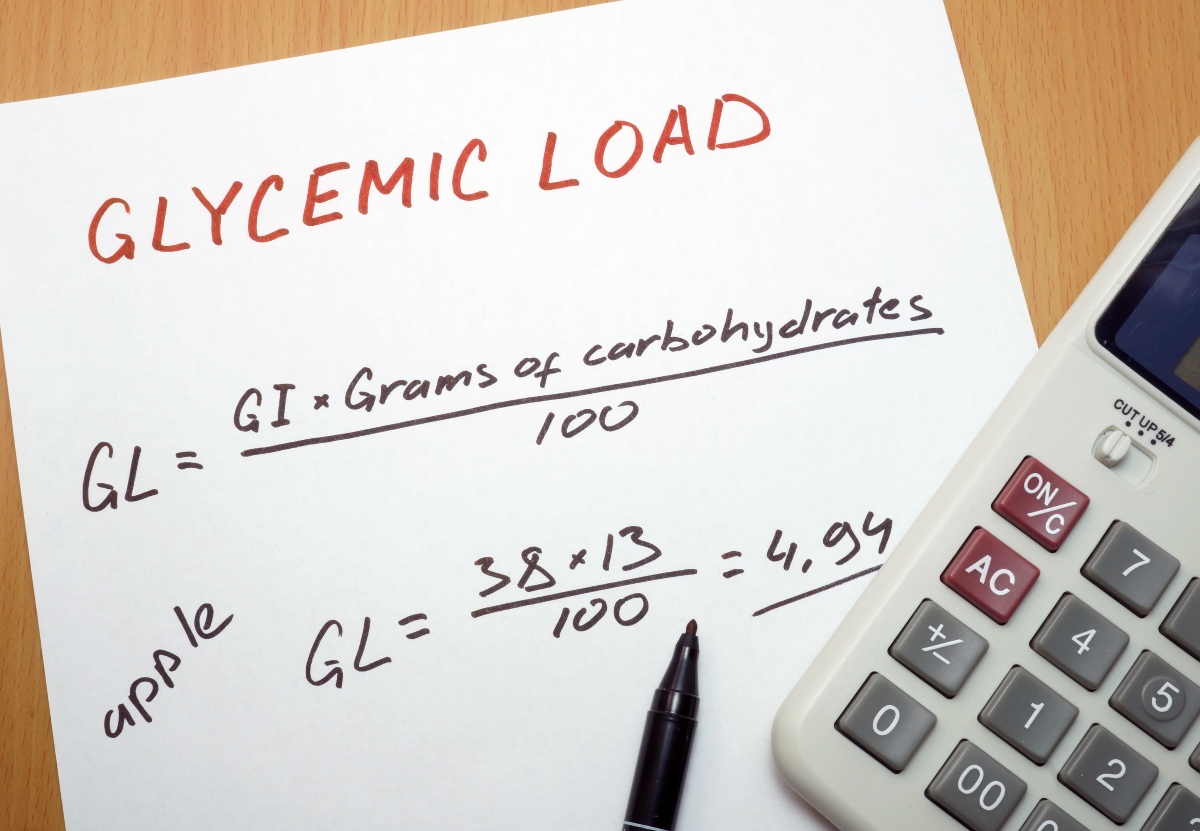
Incorporating the glycemic index (GI) into meal planning can help you manage your blood sugar levels and improve your overall health. By choosing foods with a low or moderate GI, you can slow down the absorption of glucose into your bloodstream, preventing spikes in blood sugar and promoting satiety.
Sample Meal Plan
Here is a sample meal plan that incorporates GI principles:
| Meal | GI Value | Food Suggestions |
|---|---|---|
| Breakfast | Low to Moderate | – Oatmeal with berries and nuts (55)
|
| Lunch | Low to Moderate | – Salad with grilled chicken, quinoa, and vegetables (40)
|
| Dinner | Low to Moderate | – Grilled salmon with roasted vegetables (35)
|
| Snacks | Low to Moderate | – Apple with peanut butter (40)
|
Closing Notes

With our glycemic index calculator as your trusted companion, you’ll master the art of healthy eating. Say goodbye to guesswork and hello to a vibrant, balanced lifestyle that nourishes your body and mind.