Gestation cow calculators are indispensable tools for farmers and ranchers, providing a precise way to determine the due date of a pregnant cow. With this valuable information, they can optimize calving management, ensuring the well-being of both the cow and her calf.
Understanding the factors that influence gestation length, monitoring pregnancy progress, and meeting the nutritional requirements of pregnant cows are crucial aspects that contribute to successful calving outcomes. This comprehensive guide delves into these topics and provides practical tips to enhance your herd management practices.
Gestation Length in Cows
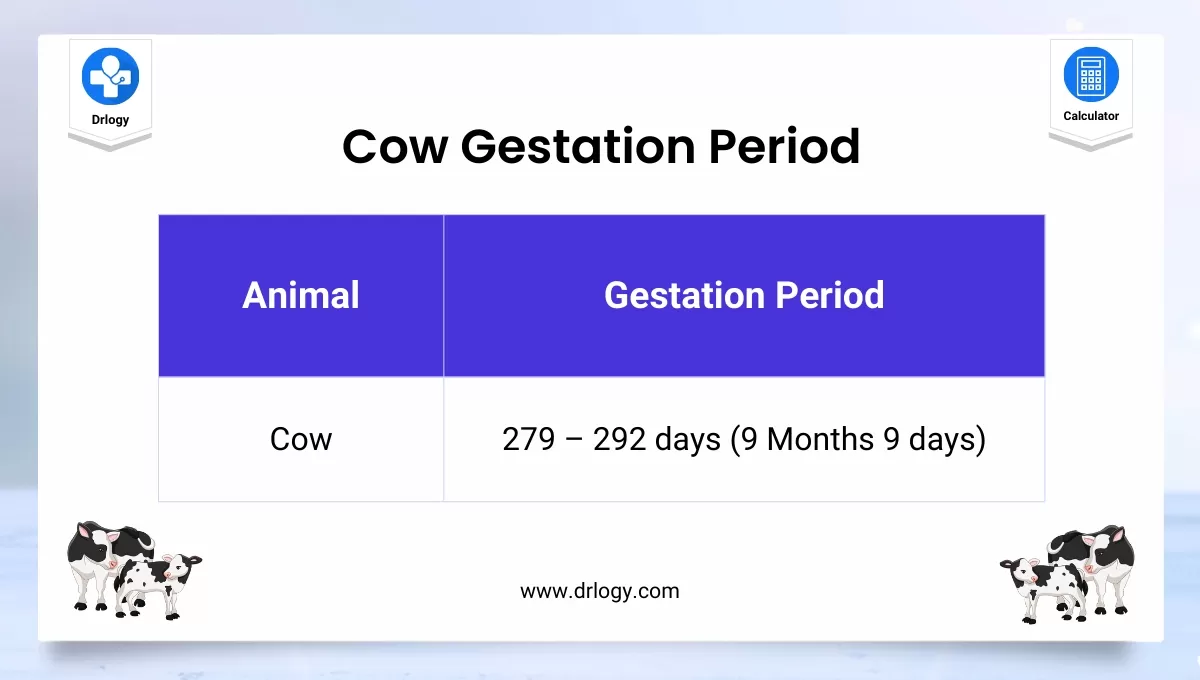
The gestation period in cows is the time between conception and the birth of a calf. The average gestation length for cows is approximately 283 days or 9 months.
Factors Influencing Gestation Length
Several factors can influence the gestation length in cows, including:
- Breed: Different cow breeds have varying gestation lengths.
- Age: Heifers tend to have shorter gestation periods than mature cows.
- Sex of the calf: Male calves have slightly longer gestation periods than female calves.
- Parity: Cows that have given birth multiple times tend to have shorter gestation periods.
- Nutrition: Proper nutrition during pregnancy can contribute to a normal gestation length.
- Environmental factors: Stress, temperature, and other environmental factors can affect gestation length.
Gestation Length by Cow Breed
The gestation length can vary among different cow breeds. Here is a table summarizing the average gestation lengths for some common cow breeds:
| Breed | Gestation Length (days) |
|---|---|
| Angus | 283 |
| Holstein | 280 |
| Jersey | 279 |
| Simmental | 286 |
| Brahman | 289 |
Calculating Due Dates

Accurately calculating the due date of a pregnant cow is crucial for effective calving management, ensuring timely preparation and assistance during the birthing process. Various methods are employed to determine the expected calving date.
Methods for Calculating Due Dates
The most common methods for calculating due dates in cows include:
- Breeding Records:If the exact date of breeding is known, add 283 days to determine the due date.
- Ultrasound Examination:An ultrasound can accurately measure the size and development of the fetus, providing an estimate of the gestation length and due date.
- Gestation Calculators:Online or physical gestation calculators use mathematical formulas based on the breed and age of the cow to estimate the due date.
Accurate due date calculations allow farmers to:
- Monitor the cow’s pregnancy progress and identify potential complications.
- Prepare facilities and equipment for calving, including calving pens, bedding, and veterinary supplies.
- Schedule staff and resources for assistance during calving.
Using a Gestation Calculator
Gestation calculators are widely used for their convenience and accessibility. Here’s a step-by-step guide on how to use a gestation calculator:
- Determine the breed of the cow:Different breeds have slightly varying gestation lengths.
- Input the cow’s age:Age can influence the gestation length.
- Enter the date of breeding or artificial insemination:This is the starting point for the calculation.
- Calculate the due date:The calculator will generate an estimated due date based on the input information.
It’s important to note that due date calculations are estimates, and actual calving dates may vary by a few days due to individual variations in cow physiology and environmental factors.
Monitoring Pregnancy: Gestation Cow Calculator
Monitoring pregnancy in cows is crucial for ensuring the health and well-being of both the cow and her calf. Regular pregnancy checks allow farmers to track the cow’s progress, detect any potential problems, and provide timely interventions if necessary.
Signs and Symptoms of Pregnancy
The signs and symptoms of pregnancy in cows can vary depending on the stage of gestation. However, some common signs include:
- Increased appetite and weight gain
- Changes in udder size and shape
- Reduced milk production
- Relaxation of the ligaments around the tailhead
- Increased mucus discharge from the vulva
Importance of Regular Pregnancy Checks
Regular pregnancy checks are essential for:
- Confirming pregnancy and determining the expected calving date
- Monitoring fetal growth and development
- Detecting and addressing any potential complications, such as twin pregnancies or retained placentas
- Providing appropriate nutrition and management throughout the gestation period
The frequency of pregnancy checks may vary depending on the individual cow and her circumstances, but generally, it is recommended to perform checks at the following stages:
- 30-45 days after breeding
- 60-75 days after breeding
- 90-105 days after breeding
Stages of Pregnancy, Gestation cow calculator
The gestation period in cows typically lasts around 283 days, divided into three distinct stages:
| Stage | Duration | Signs and Symptoms |
|---|---|---|
| Embryonic Stage | Days 1-42 | Implantation of the embryo in the uterus |
| Fetal Stage | Days 43-260 | Rapid fetal growth and development |
| Calving Stage | Days 261-283 | Preparation for calving, including udder development and ligament relaxation |
Nutritional Requirements
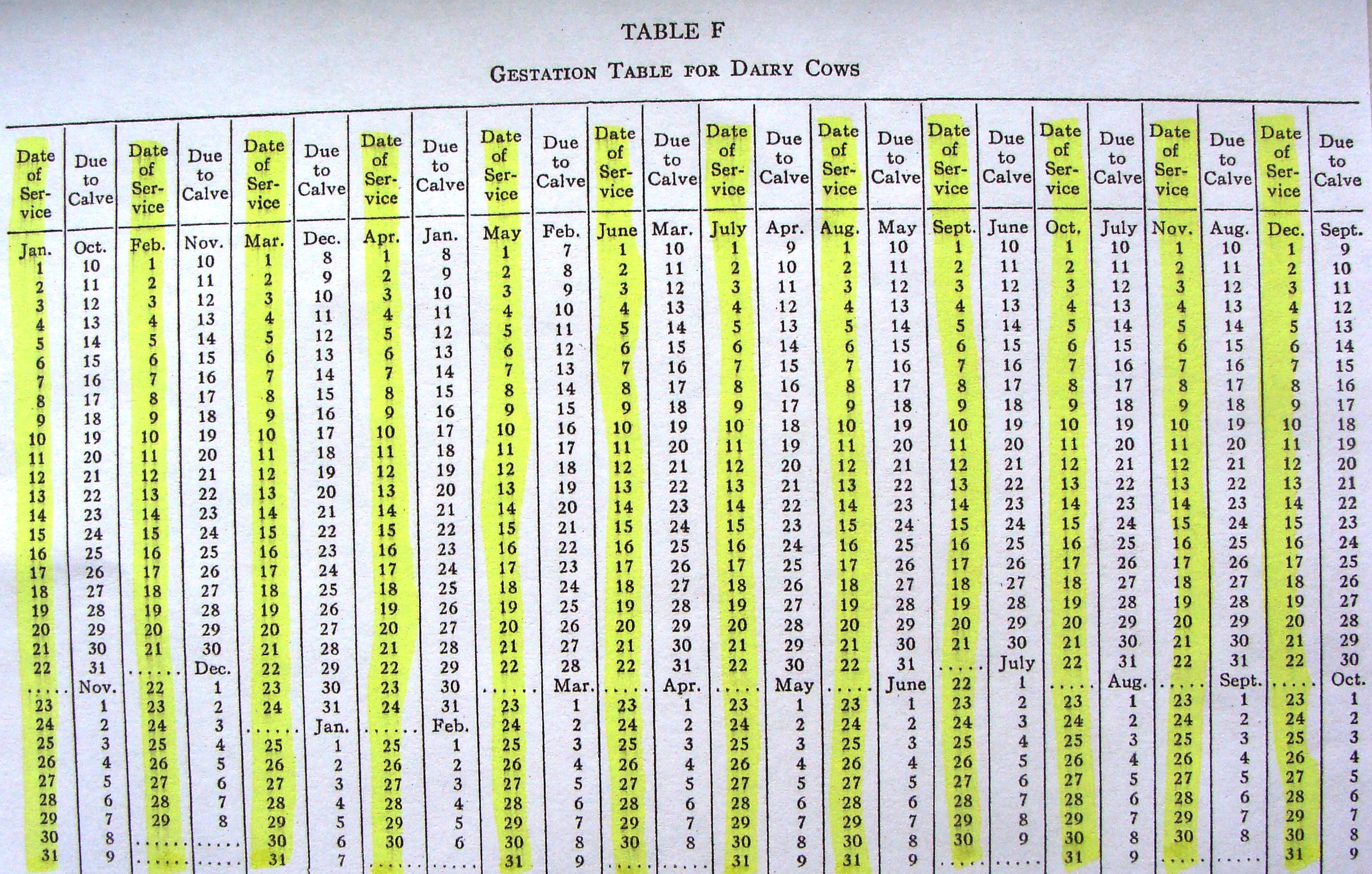
During pregnancy, cows undergo significant physiological changes that increase their nutritional demands. Providing adequate nutrition is crucial for maintaining the health and productivity of both the cow and her calf. The nutritional requirements of pregnant cows vary depending on the stage of pregnancy, with specific needs during each trimester.
It is essential to adjust the diet of pregnant cows based on their stage of pregnancy to ensure optimal fetal development and prevent metabolic disorders.
Essential Nutrients
- Energy:Pregnant cows require additional energy to support fetal growth and maintain body condition. Energy sources include carbohydrates, fats, and proteins.
- Protein:Protein is essential for fetal development, muscle growth, and immune function. Cows should receive adequate amounts of high-quality protein throughout pregnancy.
- Minerals:Calcium, phosphorus, and magnesium are essential minerals for fetal skeletal development. Trace minerals such as zinc, copper, and selenium are also important.
- Vitamins:Vitamins A, D, and E are essential for fetal development and overall cow health. Vitamin C is important for immune function.
- Water:Adequate water intake is crucial for all bodily functions, including fetal development and maintaining body temperature.
Wrap-Up

In summary, the gestation cow calculator is a powerful tool that empowers farmers with the knowledge to anticipate calving events accurately. By incorporating the principles Artikeld in this guide, you can optimize your calving management strategies, minimize calving complications, and ensure the health and productivity of your herd.