
Introducing the Empirical Rule Calculator, your indispensable tool for unlocking data insights with remarkable efficiency. Based on the fundamental principles of the empirical rule, this calculator empowers you to analyze data, make informed decisions, and unravel hidden patterns like never before.
Delve into the fascinating world of statistics, probability, finance, and quality control, where the Empirical Rule Calculator shines as a beacon of clarity and precision. Its user-friendly interface and accurate results make data analysis a breeze, saving you valuable time and effort.
Empirical Rule Calculator Overview
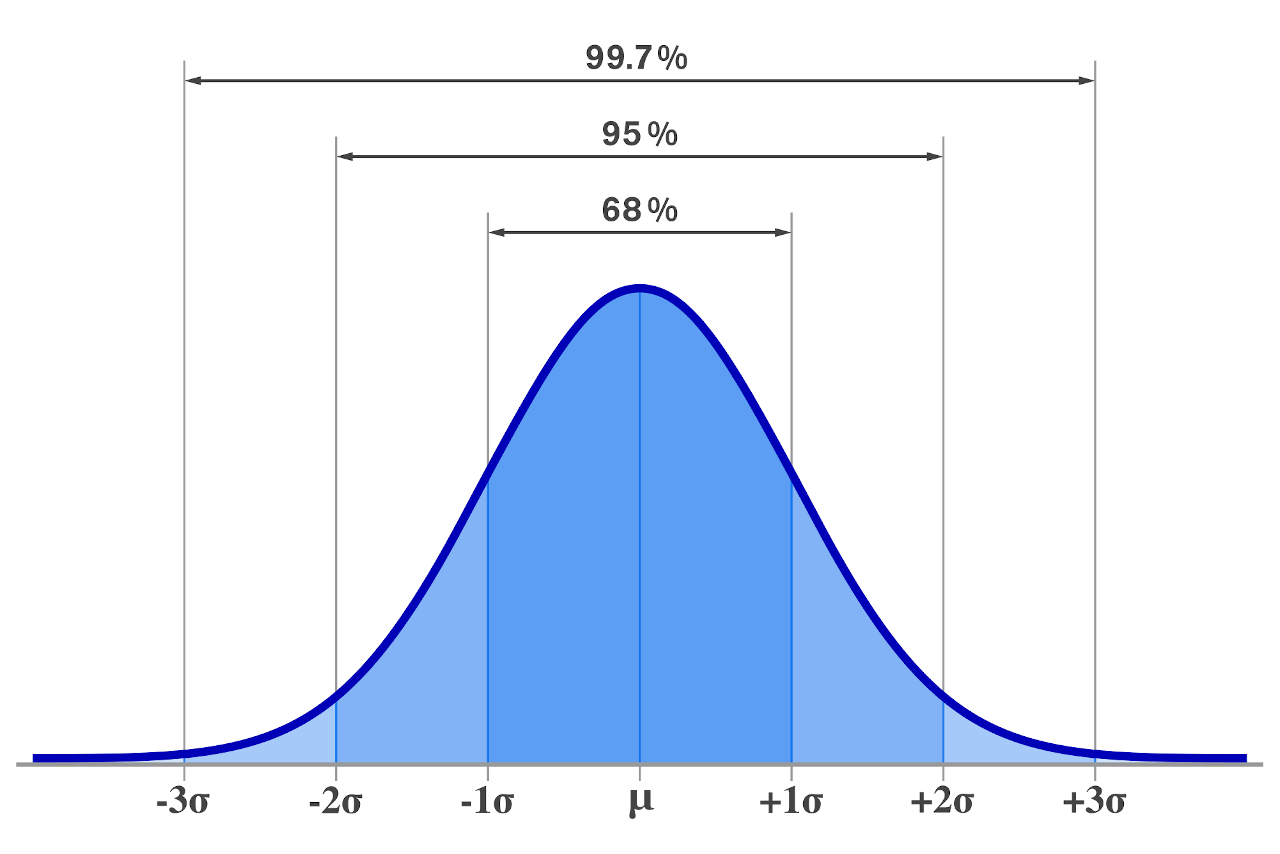
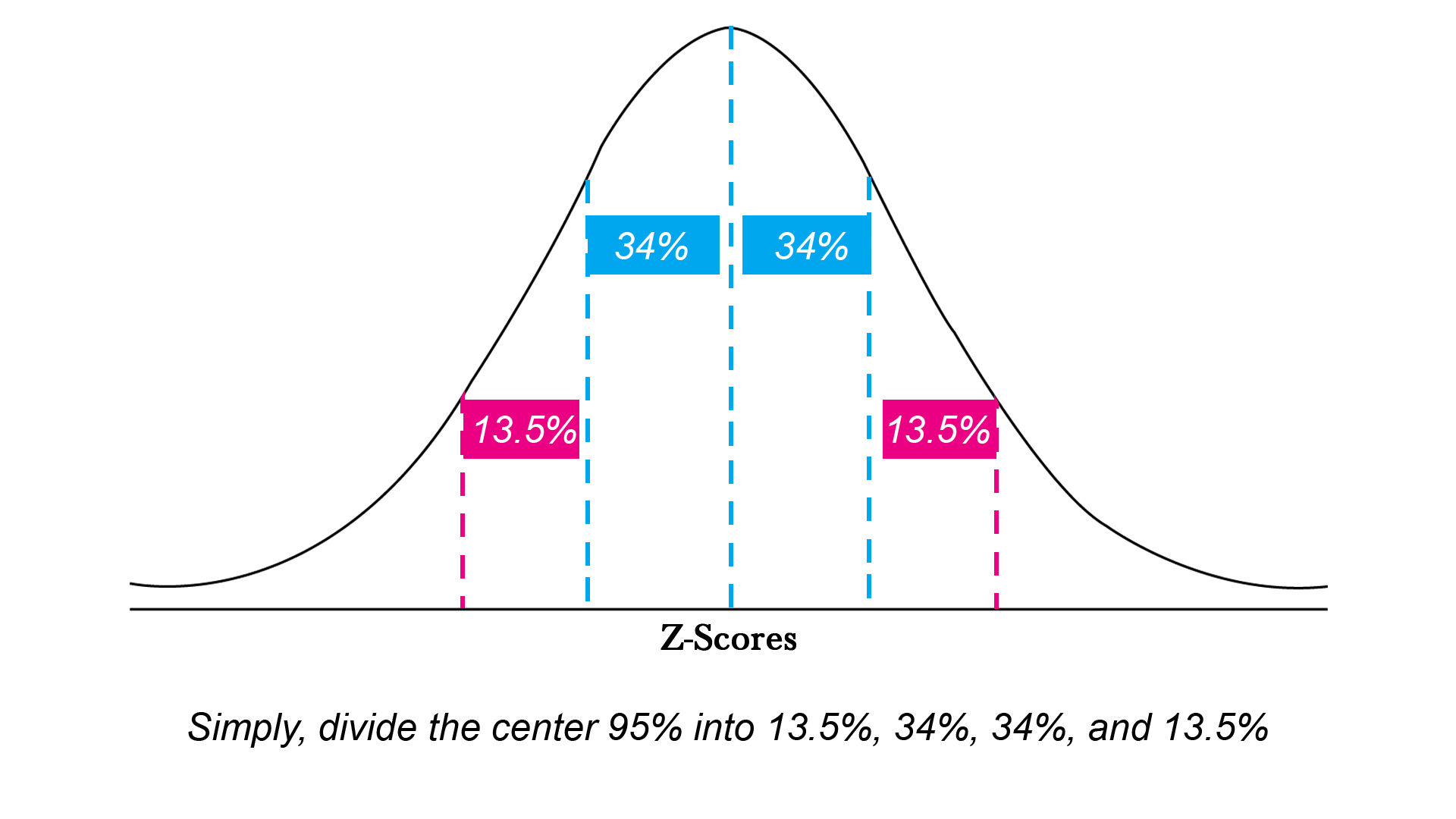
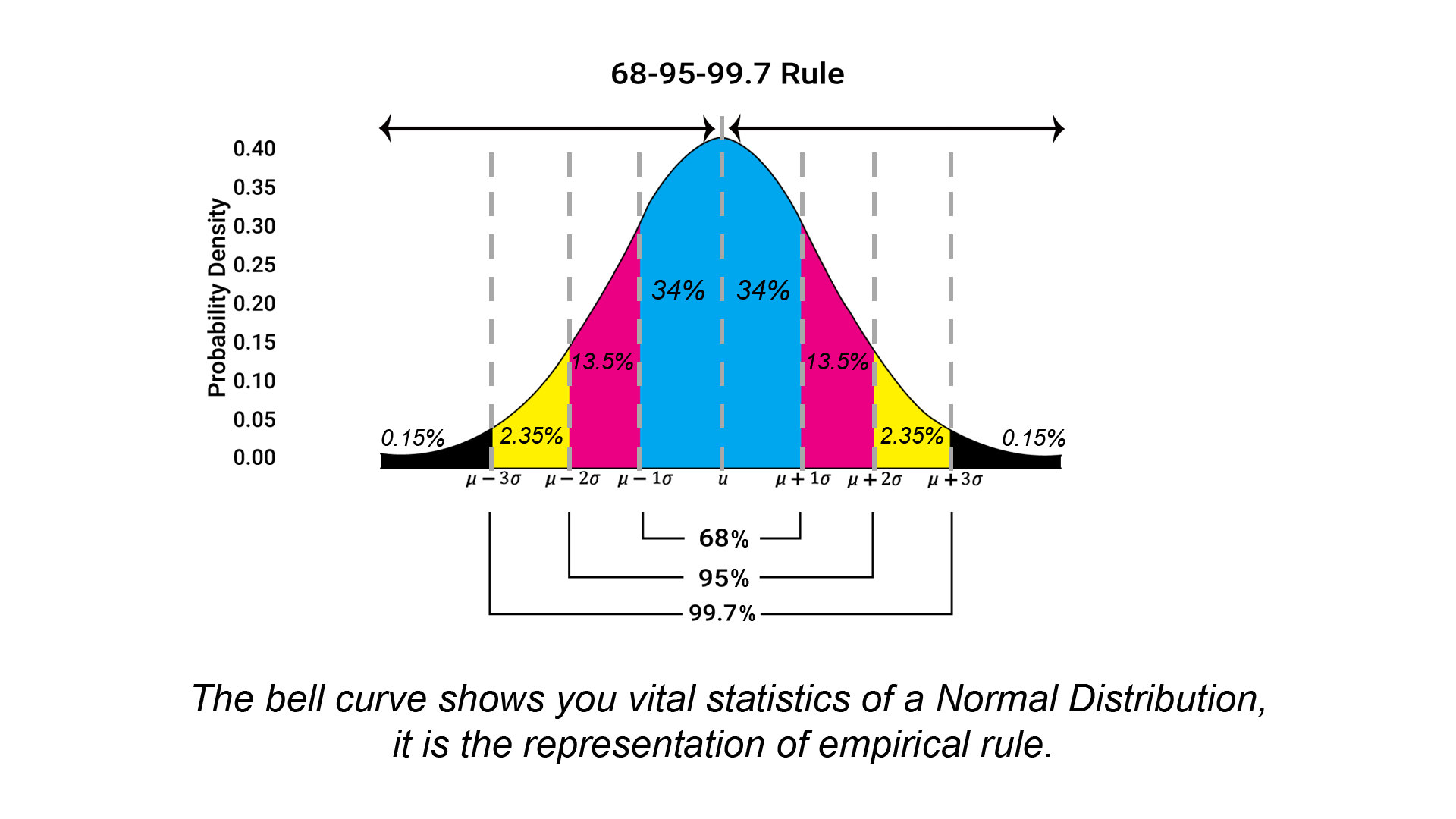
An empirical rule calculator is an online tool that helps you understand the distribution of data by applying the empirical rule (also known as the 68-95-99.7 rule). The empirical rule states that in a normal distribution, approximately 68% of the data falls within one standard deviation of the mean, 95% falls within two standard deviations, and 99.7% falls within three standard deviations.
How to Use the Empirical Rule Calculator
To use the empirical rule calculator, you will need to enter the mean and standard deviation of your data. The calculator will then display the percentage of data that falls within one, two, and three standard deviations of the mean.
Examples of How to Use the Empirical Rule Calculator
Here are some examples of how you can use the empirical rule calculator:
- If you have a data set with a mean of 100 and a standard deviation of 10, you can use the empirical rule calculator to determine that approximately 68% of the data falls between 90 and 110, 95% falls between 80 and 120, and 99.7% falls between 70 and 130.
- If you are taking a test with a mean score of 75 and a standard deviation of 5, you can use the empirical rule calculator to determine that approximately 68% of the students will score between 70 and 80, 95% will score between 65 and 85, and 99.7% will score between 60 and 90.
Features and Benefits
An empirical rule calculator is a valuable tool for data analysis, offering numerous benefits to users. It streamlines the process of calculating probabilities and analyzing data, making it an efficient and reliable resource.
One of the key advantages of using an empirical rule calculator is its ability to save time and effort. By automating calculations, the calculator eliminates the need for manual calculations, which can be tedious and time-consuming. This allows users to focus on interpreting results and making informed decisions, rather than spending time on repetitive calculations.
Accuracy and Reliability
The empirical rule calculator is designed to provide accurate and reliable results. It adheres to the principles of the empirical rule, which is based on the normal distribution. The calculator takes into account the mean and standard deviation of the data, ensuring that the calculated probabilities are precise and consistent.
Applications in Various Fields
The empirical rule calculator finds diverse applications across multiple fields, empowering professionals with data-driven insights for informed decision-making.
Statistics
In statistics, the calculator aids in analyzing data distribution and making inferences about populations. By calculating the percentage of data within specified standard deviations, researchers can draw conclusions about the likelihood of events and the spread of data.
Probability
The calculator is essential in probability theory. It helps determine the probability of an event occurring within a certain range of values. This information is crucial for risk assessment, forecasting, and modeling in various domains.
Finance
In finance, the empirical rule calculator is used to assess investment risks and returns. By understanding the distribution of historical data, financial analysts can estimate the likelihood of future performance and make informed investment decisions.
Quality Control
The calculator is instrumental in quality control processes. It allows manufacturers to determine whether their products meet specified standards. By analyzing the distribution of product measurements, they can identify outliers and implement corrective actions to maintain quality.
Limitations and Considerations
While the empirical rule calculator is a valuable tool for estimating probabilities, it is essential to understand its limitations and when it may not be appropriate to use it. This understanding ensures accurate interpretation and avoids common pitfalls.
Assumptions of the Empirical Rule
The empirical rule is based on the assumption that the data follows a normal distribution. However, in practice, many real-world data sets may not conform perfectly to this distribution. Deviations from normality can affect the accuracy of the results obtained from the calculator.
Data Size and Sample Representation
The empirical rule is more accurate for large data sets. For small sample sizes, the results may be less reliable. Additionally, the sample should be representative of the population of interest to ensure that the results can be generalized.
Outliers and Extreme Values, Empirical rule calculator
Outliers and extreme values can significantly impact the results of the empirical rule calculator. These values can distort the mean and standard deviation, leading to inaccurate probability estimates.
Interpreting the Results
When interpreting the results of the empirical rule calculator, it is important to consider the context and the specific application. The probabilities obtained are estimates and may not always be exact. Additionally, the calculator provides information about the probability of events falling within a certain range but does not predict specific outcomes.
Last Word
Embrace the Empirical Rule Calculator as your trusted companion in data exploration. Its versatility and reliability will elevate your decision-making process, enabling you to navigate the complexities of data with confidence. Unleash the power of data-driven insights today and experience the transformative impact of the Empirical Rule Calculator.
