
Welcome to our dining room table size calculator, the ultimate guide to help you determine the ideal dimensions for your dining space. Whether you’re furnishing a cozy nook or a grand dining hall, our calculator and expert insights will empower you to make an informed decision.
In this comprehensive guide, we’ll delve into the factors that influence table size, explore various shapes and styles, and provide valuable tips on selecting a table that meets your aesthetic and practical needs.
Calculate Dining Room Table Size
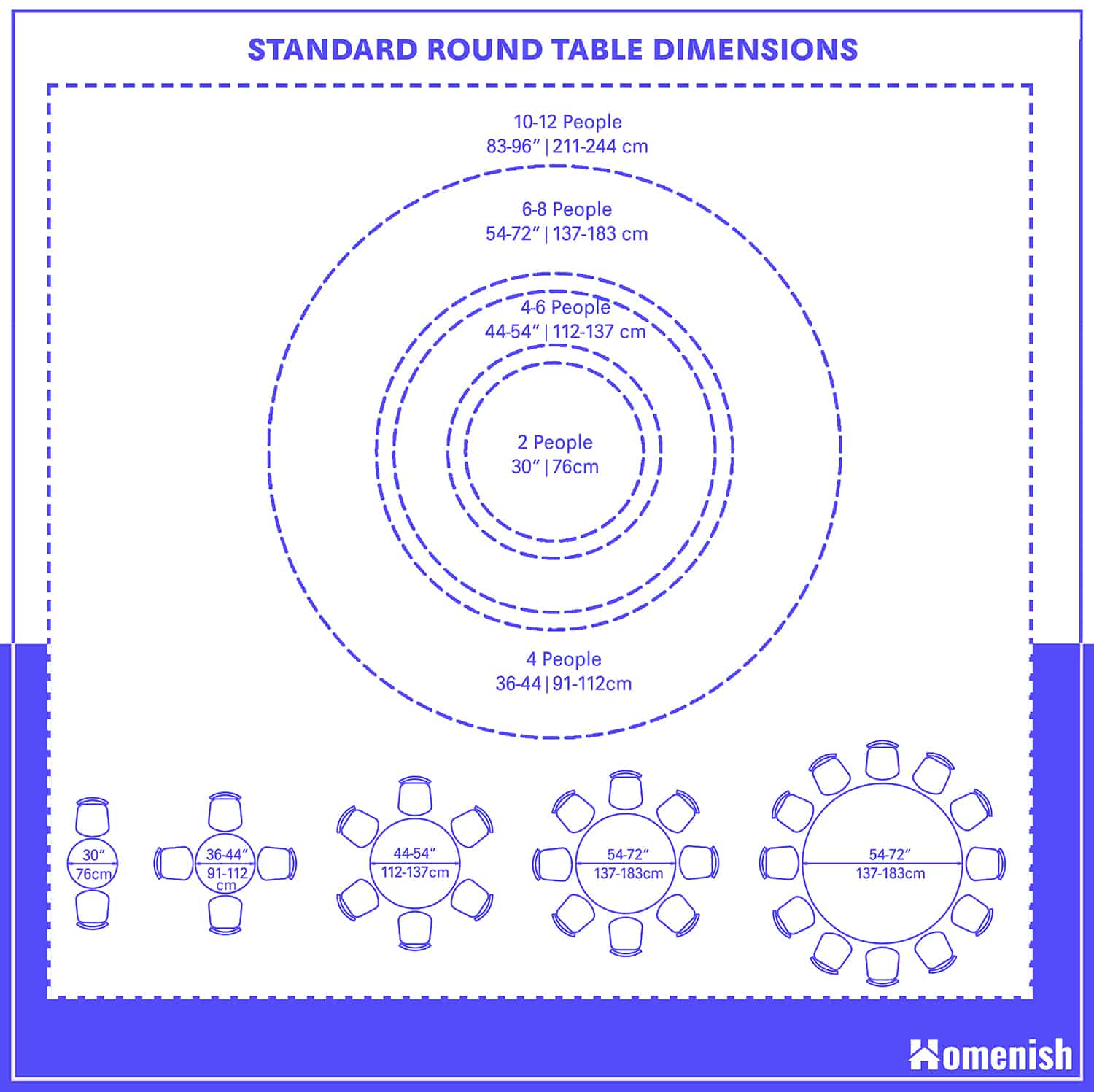
Choosing the right size dining table is essential for creating a comfortable and functional dining space. Consider the dimensions of your room, the number of diners you typically host, and the desired traffic flow to determine the ideal table size.
To measure the available space for a dining table, start by measuring the length and width of the room. Then, subtract at least 36 inches from both the length and width to allow for comfortable walking space around the table.
Recommended Table Sizes
The following table provides recommended table sizes based on room dimensions and the number of diners:
| Room Dimensions (ft) | Number of Diners | Recommended Table Size (ft) |
|---|---|---|
| 10×10 | 4-6 | 4×6 |
| 12×12 | 6-8 | 4×8 |
| 14×14 | 8-10 | 5×9 |
| 16×16 | 10-12 | 6×10 |
| 18×18 | 12-14 | 6×12 |
Remember that these are just recommendations, and the actual size you choose may vary depending on your specific needs and preferences.
Shape and Style Considerations: Dining Room Table Size Calculator

The shape and style of your dining table can greatly impact the overall ambiance of your dining room. Here are some considerations to keep in mind when choosing the right table for your space:
Size:The size of your dining table should be proportionate to the size of your dining room. A large table in a small room can feel cramped, while a small table in a large room can look lost. To determine the right size, measure the length and width of your dining room and allow for at least 3 feet of clearance around the table.
Shape
The shape of your dining table can also affect the flow of traffic in your dining room. A round or oval table is a good choice for small spaces, as it allows for easy movement around the table. A rectangular or square table is a more traditional choice and can be a good fit for larger rooms.
- Round tables:Round tables are a good choice for small spaces, as they allow for easy movement around the table. They are also a good choice for creating a more intimate atmosphere.
- Square tables:Square tables are a more traditional choice and can be a good fit for larger rooms. They are a good choice for families with young children, as they provide more space for each person to eat.
- Rectangular tables:Rectangular tables are a good choice for larger rooms. They can be used to create a more formal atmosphere and can be a good choice for entertaining guests.
- Oval tables:Oval tables are a good compromise between round and rectangular tables. They offer more space than round tables, but they are not as formal as rectangular tables.
Style
The style of your dining table should complement the overall style of your dining room. If you have a traditional dining room, you may want to choose a table with a more traditional style. If you have a more modern dining room, you may want to choose a table with a more modern style.
- Traditional tables:Traditional tables are typically made of wood and have a more formal design. They are a good choice for dining rooms with a traditional style.
- Modern tables:Modern tables are typically made of metal or glass and have a more contemporary design. They are a good choice for dining rooms with a more modern style.
- Rustic tables:Rustic tables are typically made of wood and have a more rustic design. They are a good choice for dining rooms with a more rustic style.
- Industrial tables:Industrial tables are typically made of metal and have a more industrial design. They are a good choice for dining rooms with a more industrial style.
Material and Finish Options
Choosing the right material and finish for your dining table is essential for both durability and aesthetics. Here’s a guide to the most common options:
Wood
Wood is a classic and versatile choice for dining tables, offering a wide range of styles and finishes. Solid wood tables are durable and can last for generations with proper care. Common wood types include oak, mahogany, and walnut. Wood tables can be finished with a clear sealant to preserve the natural grain, painted for a more modern look, or distressed for a rustic feel.
Metal
Metal tables are known for their sleek and modern appearance. They are typically made from stainless steel or wrought iron and are very durable. Metal tables can be finished in a variety of colors and textures, from polished to brushed to antiqued.
Glass
Glass tables are a great option for creating a light and airy feel in your dining room. They are easy to clean and can be paired with a variety of chair styles. Glass tables are typically made from tempered glass, which is more durable than regular glass.
Marble
Marble tables are luxurious and elegant, but they require more care than other materials. Marble is a natural stone that is susceptible to staining and scratching. However, with proper care, a marble table can last for many years.
Design and Functionality
When selecting a dining room table, it’s crucial to consider both its aesthetic appeal and functionality. Design features such as table height, leg style, and extension options influence the overall look and usability of the table.
Functionality is equally important, ensuring adequate seating space and ease of use. A table that accommodates the desired number of guests comfortably, without feeling cramped, is essential. Additionally, the table should be easy to move around and extend when necessary.
Table Height
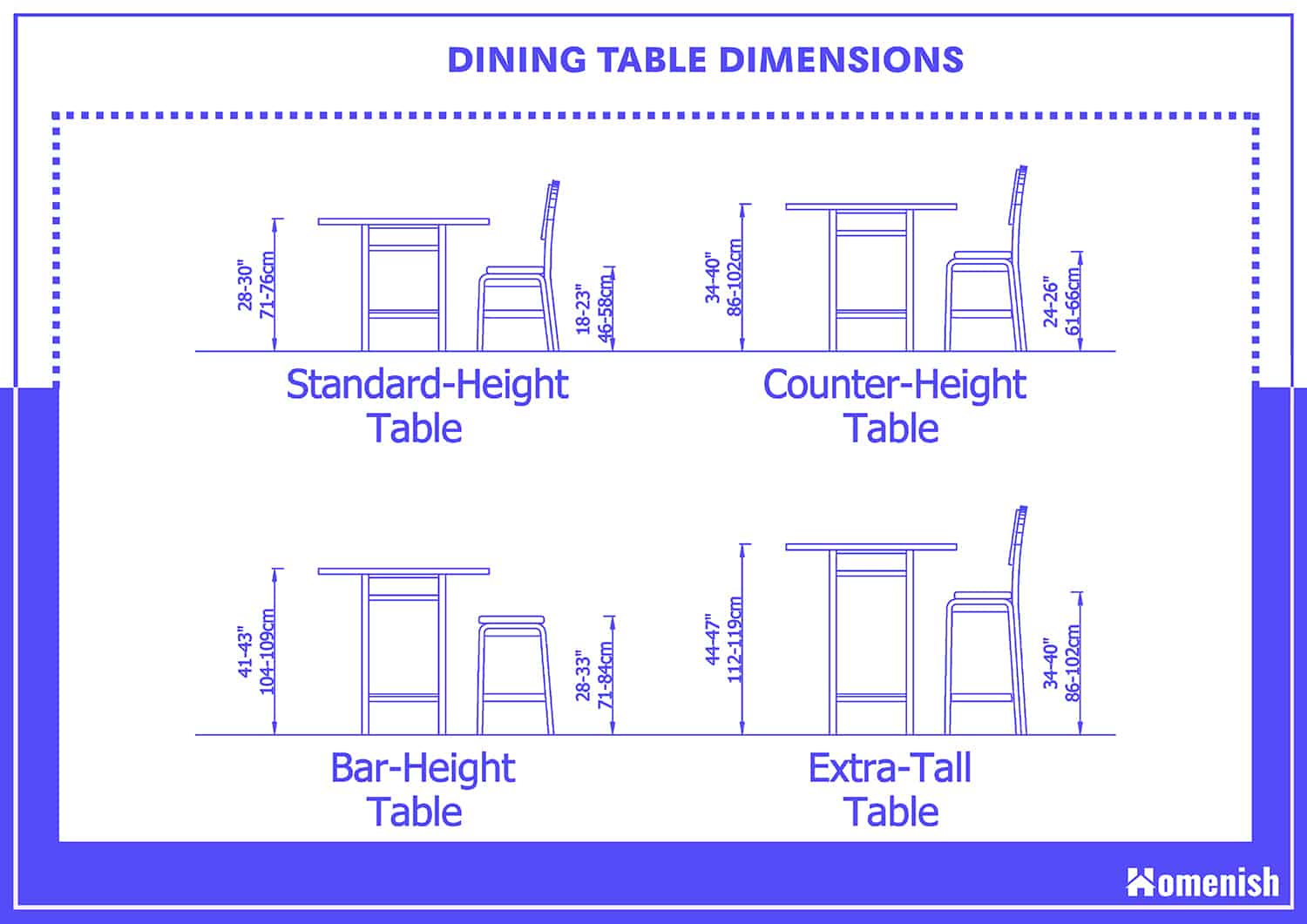
Standard table heights range from 28 to 30 inches. Taller individuals may prefer a table height of 30 inches or more, while shorter individuals may find a table height of 28 inches more comfortable. Consider the height of the chairs you plan to use with the table to ensure a comfortable dining experience.
Leg Style
The leg style of the table can impact its overall aesthetic and stability. Choose a leg style that complements the design of the room and provides adequate support for the tabletop. Pedestal legs, trestle legs, and tapered legs are popular options that offer different levels of support and visual appeal.
Extension Options, Dining room table size calculator
If you anticipate hosting larger gatherings, consider a table with extension options. Extension leaves can be added or removed to accommodate different numbers of guests. Drop-leaf tables, butterfly leaf tables, and self-storing leaf tables are common types of extension tables.
End of Discussion
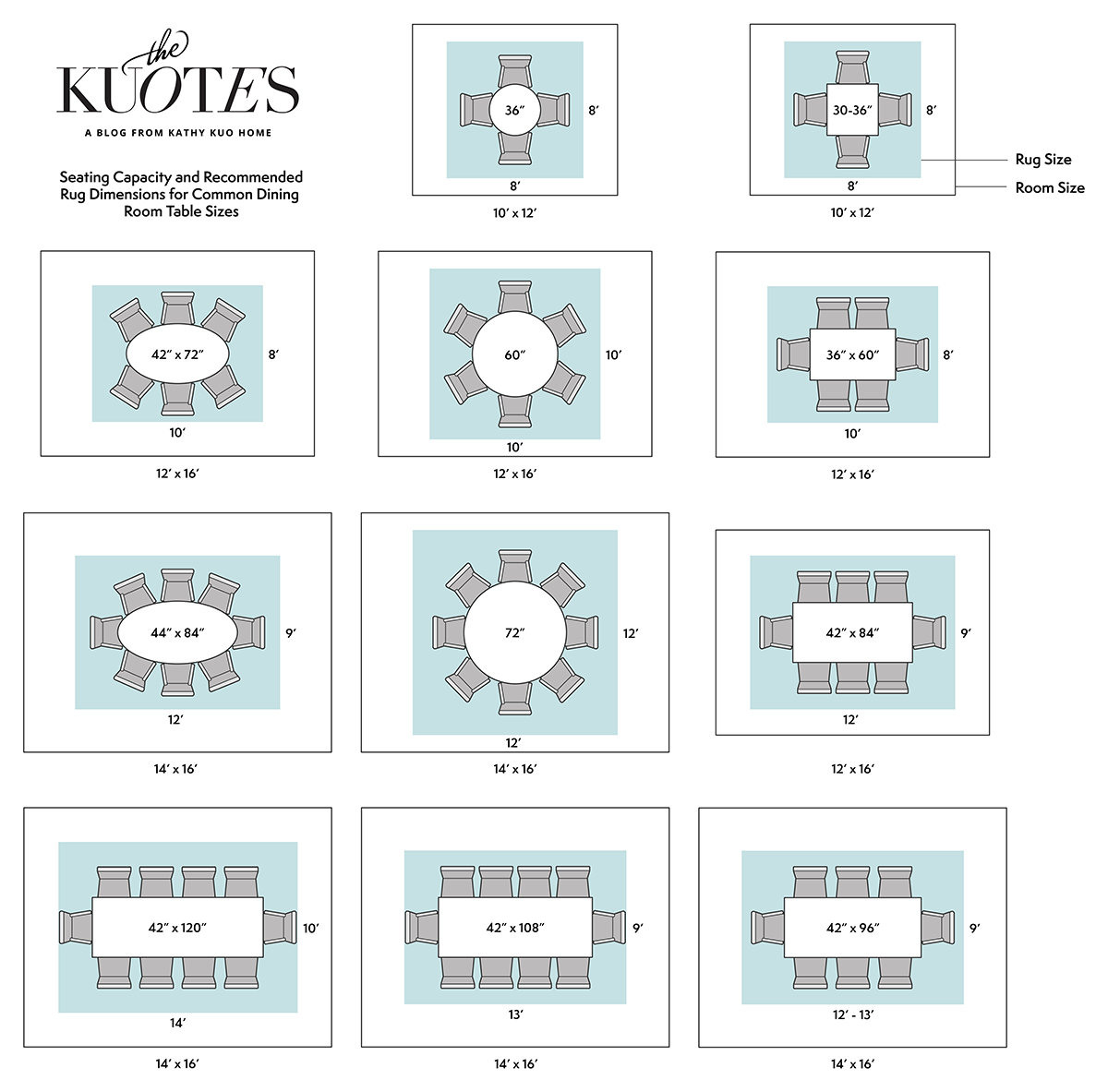
With our dining room table size calculator, you’ll be equipped to create a dining space that seamlessly blends comfort, style, and functionality. So, let’s embark on this journey and find the perfect table for your home!
