
The countertop square footage calculator is an essential tool for anyone planning a kitchen remodel or renovation. It helps you determine the amount of material you need to purchase, ensuring you have enough to cover your countertops without overspending.
This comprehensive guide will provide you with all the information you need to use a countertop square footage calculator effectively. We’ll cover everything from measuring your countertops to choosing the right material and design.
Countertop Footage Measurement Methods

Accurately measuring your kitchen for countertop footage is crucial for planning and budgeting your renovation project. Various methods can be employed to obtain precise measurements, each with its advantages and considerations.
Measuring with a Measuring Tape
- Unroll the measuring tape and extend it across the countertop surface.
- Measure the length and width of each section of the countertop, including any cutouts or overhangs.
- Record the measurements in feet and inches, noting the dimensions of any irregular shapes.
Measuring with a Laser Measure
- Position the laser measure at one end of the countertop.
- Point the laser beam at the opposite end and activate the measurement function.
- The laser measure will display the distance in feet and inches, which can be directly recorded.
Calculating Area of Irregular Shapes
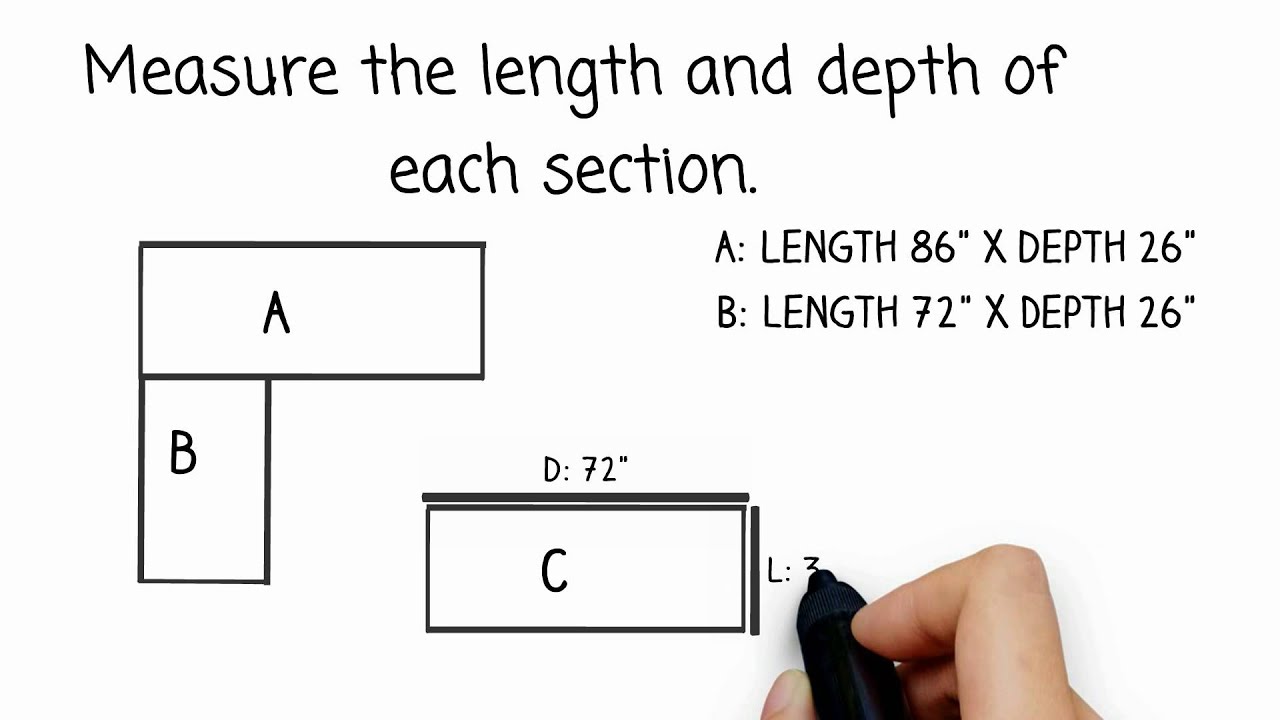
For countertops with irregular shapes, such as L-shaped or U-shaped configurations, the area can be calculated by dividing the shape into smaller rectangles or triangles.
- Measure the length and width of each rectangular section.
- For triangular sections, measure the base and height.
- Calculate the area of each shape using the appropriate formula (e.g., area of rectangle = length x width, area of triangle = 0.5 x base x height).
- Add the areas of all the shapes to obtain the total countertop footage.
Importance of Accurate Measurements
Accurate measurements are essential to ensure that the fabricated countertops fit properly and avoid costly errors.
- Incorrect measurements can lead to countertops that are too small or too large, requiring adjustments or replacements.
- Precise measurements help avoid material waste and unnecessary expenses.
- Accurate footage calculations allow for precise material ordering and efficient installation.
Avoiding Common Mistakes
- Measuring from the wrong point:Ensure you measure from the edge of the countertop that will be visible.
- Not accounting for overhangs:Include any overhangs in your measurements, as they will require additional material.
- Ignoring cutouts:Deduct the area of any cutouts, such as sinks or cooktops, from the total footage.
- Using the wrong measuring tool:Choose a measuring tape or laser measure that is accurate and easy to use.
- Not double-checking measurements:Take multiple measurements to ensure accuracy and minimize errors.
Countertop Material Considerations
The choice of countertop material significantly influences the overall footage requirements. Different materials have varying thicknesses, edge profiles, and backsplash heights, all of which impact the total square footage.
Thickness
Countertop thickness affects the footage calculations. Thicker countertops require more material, resulting in a higher square footage. Common countertop thicknesses range from 1.5 to 3 centimeters, with 2 centimeters being the most common.
- For a 10-foot long countertop with a width of 2 feet and a thickness of 2 centimeters, the square footage is 20 square feet (10 x 2 x 0.02).
- If the thickness is increased to 3 centimeters, the square footage becomes 30 square feet (10 x 2 x 0.03).
Edge Profiles
Edge profiles also affect the square footage. Decorative edge profiles, such as bullnose or ogee, require more material than square or beveled edges. The complexity of the edge profile should be considered when calculating the footage.
- A countertop with a simple square edge has a smaller square footage compared to one with a bullnose edge.
- The additional material required for a bullnose edge should be factored into the footage calculations.
Backsplash Height
The height of the backsplash also influences the footage. A taller backsplash requires more material and increases the overall square footage.
- A 4-inch backsplash has a smaller square footage than an 8-inch backsplash.
- The additional height of the backsplash should be accounted for in the footage calculations.
Kitchen Layout and Countertop Design: Countertop Square Footage Calculator
The layout of your kitchen significantly impacts the amount of countertop footage you’ll need. L-shaped and U-shaped kitchens typically require more footage than galley-style kitchens. Islands can also add to the total footage, depending on their size and shape.
Countertop design elements can also affect the footage. Overhangs, cutouts for sinks and appliances, and waterfall edges can all increase the amount of material you’ll need.
Optimizing Countertop Footage, Countertop square footage calculator
There are several ways to optimize countertop footage while maintaining functionality and aesthetics:
- Choose a simple layout with minimal overhangs and cutouts.
- Use a material that is durable and easy to clean, so you can minimize the need for repairs or replacements.
- Consider using a combination of materials, such as granite for the main countertops and a less expensive material for the island or backsplash.
- Make sure to measure your kitchen carefully before ordering countertops, so you can avoid costly mistakes.
Countertop Calculator Tools and Resources
Utilizing countertop footage calculators simplifies the process of determining the amount of material required for your project. These tools provide accurate estimates, saving you time and potential material waste.
Table Comparing Countertop Footage Calculators
The following table compares popular countertop footage calculators, highlighting their key features and limitations:
| Calculator | Features | Limitations |
|---|---|---|
| Home Depot Countertop Estimator |
|
|
| IKEA Kitchen Planner |
|
|
| CountertopCalculator.com |
|
|
Step-by-Step Guide to Using a Countertop Footage Calculator
To use a countertop footage calculator effectively, follow these steps:
- Measure the length and width of your countertop.
- Enter the measurements into the calculator.
- Select the desired countertop material.
- Choose any additional options, such as overhang or backsplash.
- Click “Calculate” to generate the footage estimate.
Benefits of Using a Calculator versus Manual Measurement Methods
- Accuracy:Calculators use precise formulas to calculate footage, reducing the risk of errors.
- Time-saving:Calculators automate the process, eliminating the need for manual calculations.
- Convenience:Online calculators are easily accessible and can be used from any device with internet access.
- Material optimization:Calculators help you determine the exact amount of material needed, minimizing waste.
Closing Notes

With a little planning and preparation, you can use a countertop square footage calculator to get the perfect fit for your kitchen. So what are you waiting for? Get started today!
