Embark on a captivating journey with the color shift calculator, an indispensable tool that unlocks the secrets of color conversion. Delve into the intricate mathematical formulas that govern the transformation of colors between different models, unravel the principles of color matching and analysis, and explore the intricacies of color rendering and display.
This comprehensive guide illuminates the fascinating world of color theory and its applications, empowering you to harness the power of color in design, art, and communication.
Color Conversion Calculations
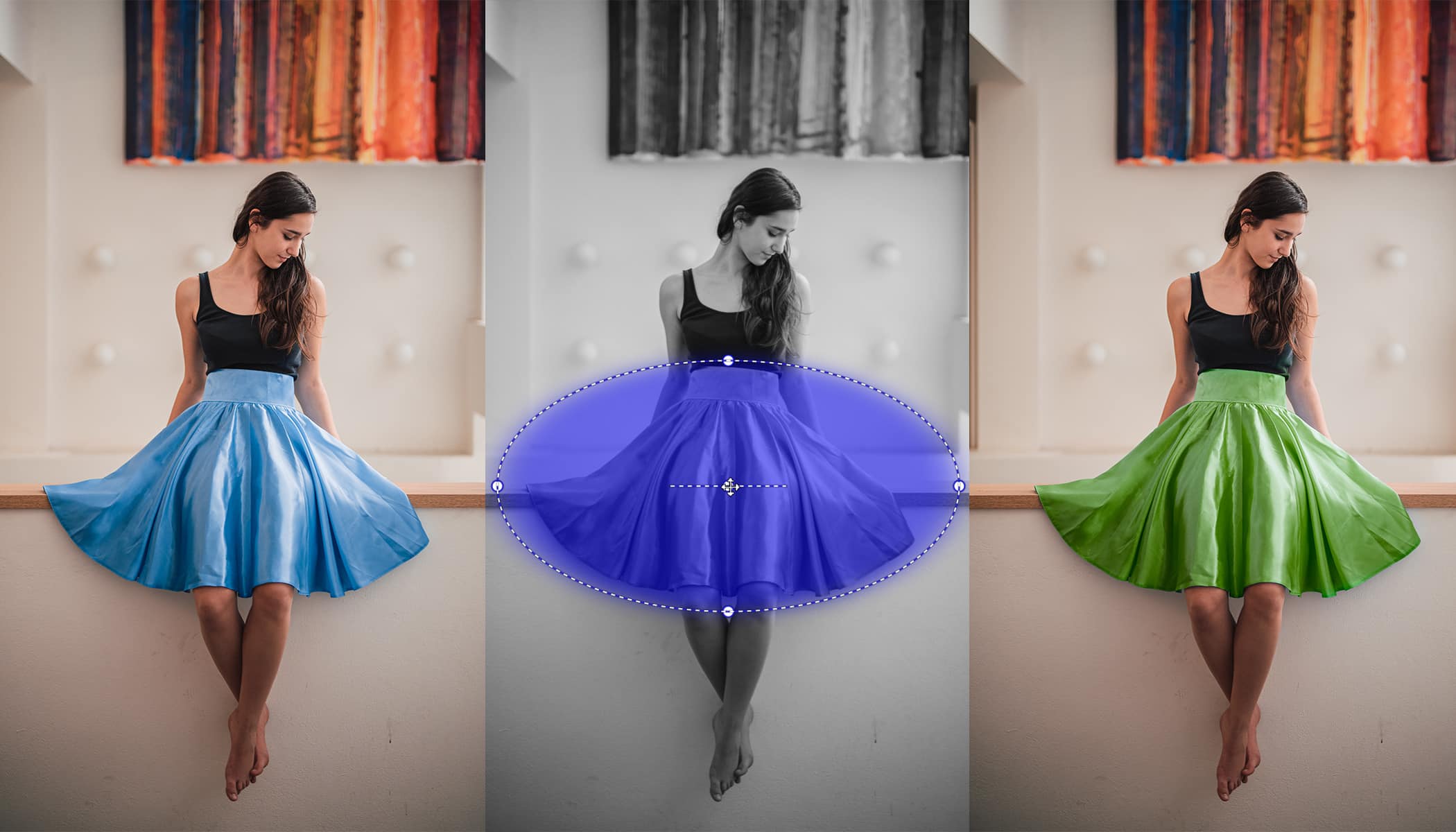
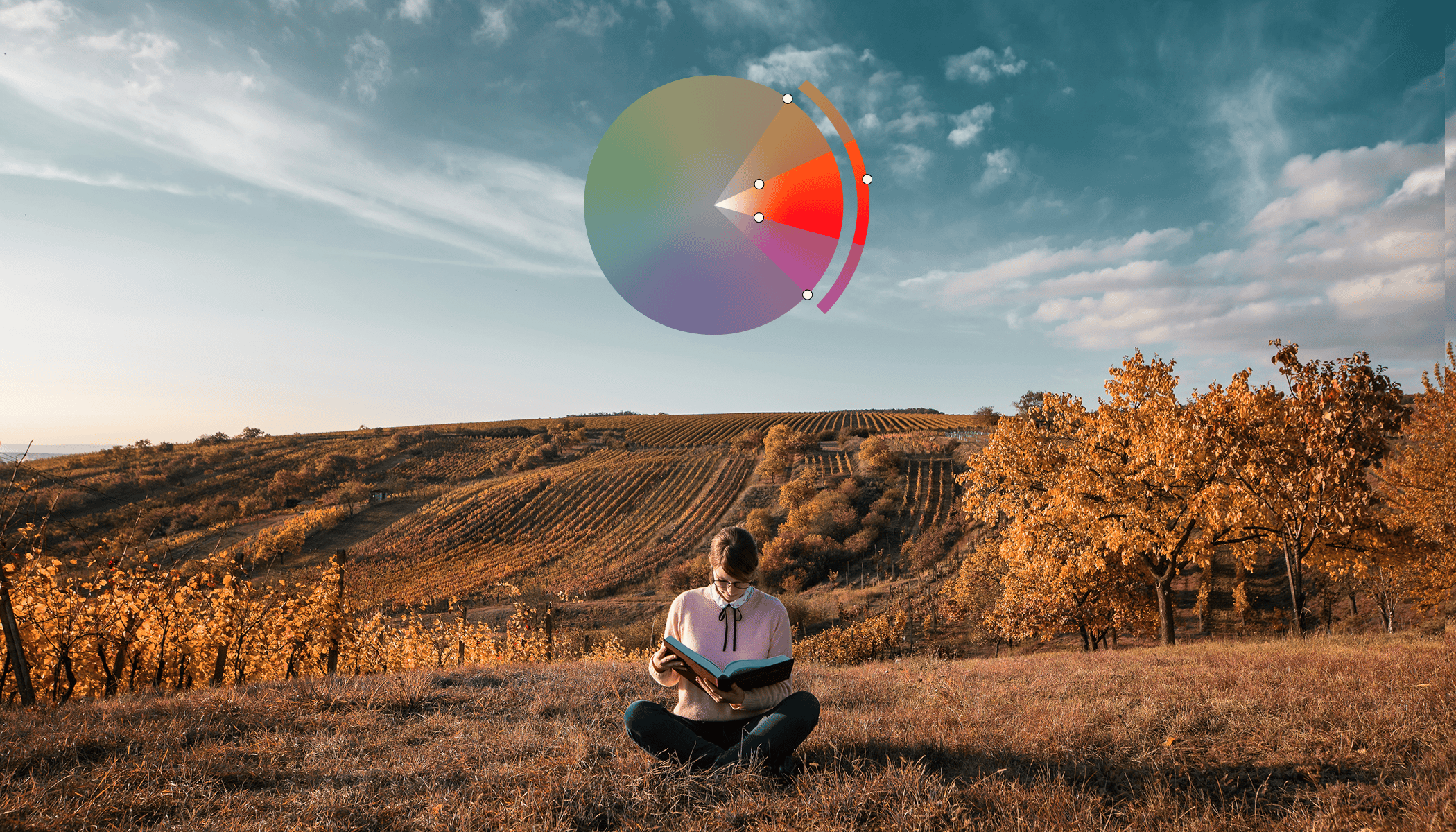
Color conversion calculations involve transforming colors from one color model to another, such as RGB (red, green, blue) to CMYK (cyan, magenta, yellow, black) or HSL (hue, saturation, lightness). These calculations are essential for various applications, including digital imaging, color matching, and design.
The mathematical formulas used for color conversion vary depending on the specific color models involved. Generally, these formulas involve linear transformations, matrix multiplications, and non-linear functions to map the color values from one model to another.
RGB to CMYK Conversion
The conversion from RGB to CMYK involves a linear transformation followed by a non-linear function. The linear transformation converts the RGB values to CMY values (cyan, magenta, yellow) using the following formulas:
- C = 1 – R
- M = 1 – G
- Y = 1 – B
The resulting CMY values are then converted to CMYK values using the following formula:
K = min(C, M, Y)C’ = (C
- K) / (1
- K)
M’ = (M
- K) / (1
- K)
Y’ = (Y
- K) / (1
- K)
Limitations and Potential Errors
Color conversion calculations are not always perfect, and there can be limitations and potential errors. These include:
- Gamut limitations:Different color models have different gamuts, which means that some colors cannot be represented in all models. This can lead to color shifts or inaccuracies when converting between models.
- Precision errors:Color conversion calculations involve floating-point arithmetic, which can introduce precision errors. These errors can accumulate over multiple conversions, leading to noticeable color differences.
- Metamerism:Metamerism occurs when two colors appear to match under one light source but not under another. This can lead to color conversion errors when the lighting conditions change.
Color Matching and Analysis

Color matching and analysis are crucial processes in various industries, such as manufacturing, design, and photography. They involve assessing and quantifying color differences to ensure accurate color reproduction and consistency.
Principles and Techniques
Color matching involves visually comparing two colors to determine their similarity or difference. It requires trained observers with experience in color perception. Spectrophotometers and colorimeters are also used to measure and quantify color characteristics, such as hue, saturation, and lightness.
Color Difference Formulas
Color difference formulas, such as Delta E (dE), provide numerical values to quantify the perceived difference between two colors. Delta E is calculated based on the differences in the CIE L*a*b* color space, which represents human color perception.
Applications
Color matching and analysis have applications in:
- Manufacturing: Ensuring consistent color reproduction in products, such as textiles, paints, and plastics.
- Design: Creating color palettes and harmonies, and evaluating color combinations for aesthetics and functionality.
- Photography: Calibrating cameras and monitors to accurately capture and display colors.
- Medical imaging: Analyzing medical images to identify color-related abnormalities, such as in radiology and pathology.
Color Rendering and Display
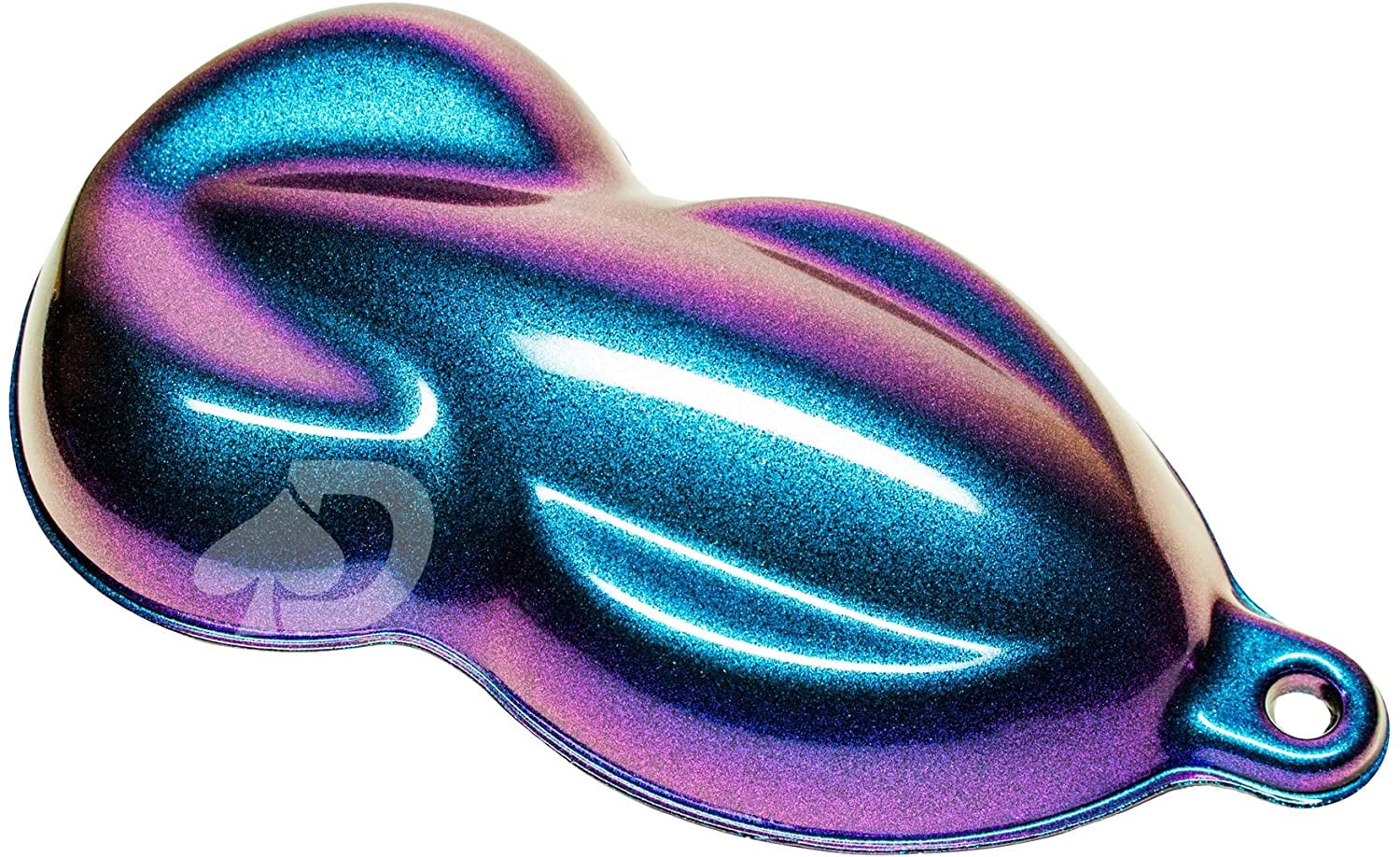
The accurate rendering and display of colors on different devices is influenced by various factors, including device capabilities, ambient lighting conditions, and the color management system used. Color profiles play a crucial role in ensuring color consistency across different devices and applications.
Color rendering refers to the ability of a device to reproduce colors accurately, while color display refers to the way colors are presented on a device’s screen. The accuracy of color rendering and display is affected by the device’s color gamut, which is the range of colors that the device can produce or display.
Color Profiles and Color Management Systems, Color shift calculator
Color profiles are files that contain information about the color characteristics of a specific device or application. They are used to calibrate the device or application to ensure that colors are rendered and displayed accurately. Color management systems (CMS) are software applications that use color profiles to manage color consistency across different devices and applications.
Challenges and Solutions
- Ambient Lighting:Ambient lighting conditions can affect the way colors are perceived on a device’s screen. To compensate for this, some devices use ambient light sensors to adjust the screen’s brightness and color temperature.
- Device Capabilities:Different devices have different color gamuts, which can lead to color inconsistencies. Color management systems can be used to map colors between different color gamuts to ensure consistent color reproduction.
- Color Profile Accuracy:The accuracy of color profiles is crucial for ensuring color consistency. Color profiles should be created using accurate measurement devices and calibrated regularly to maintain their accuracy.
Color Theory and Applications: Color Shift Calculator
Color theory is a body of practical guidance to color mixing and the visual effects of a specific color or color combination. By understanding the principles of color theory, you can make informed decisions about the colors you use in your designs, artwork, and communications.
Color theory is based on the three primary colors: red, yellow, and blue. These colors cannot be created by mixing other colors. All other colors are created by mixing these three primary colors in different proportions.
Color Harmonies
Color harmonies are pleasing combinations of colors that work well together. There are many different types of color harmonies, but some of the most common include:
- Monochromatic harmoniesuse different shades of the same color.
- Analogous harmoniesuse colors that are adjacent to each other on the color wheel.
- Complementary harmoniesuse colors that are opposite each other on the color wheel.
- Triadic harmoniesuse three colors that are evenly spaced around the color wheel.
Color Contrast
Color contrast is the difference in lightness or darkness between two colors. High contrast colors will create a more dramatic effect than low contrast colors.
There are three main types of color contrast:
- Lightness contrastis the difference in lightness or darkness between two colors.
- Saturation contrastis the difference in saturation between two colors.
- Hue contrastis the difference in hue between two colors.
Color Psychology
Color psychology is the study of how colors affect our emotions and behavior. Different colors can evoke different emotions, such as happiness, sadness, anger, and fear.
Color psychology can be used to create specific moods or atmospheres in a space. For example, warm colors like red and orange can create a feeling of warmth and energy, while cool colors like blue and green can create a feeling of calmness and serenity.
Use of Color in Design, Art, and Communication
Color is a powerful tool that can be used to create a variety of effects in design, art, and communication. By understanding the principles of color theory, you can use color to create beautiful and effective designs that communicate your message clearly.
Here are some examples of how color theory is applied in various fields:
- Design: Color can be used to create a variety of effects in design, such as creating a focal point, creating a sense of balance, and conveying a specific mood or atmosphere.
- Art: Color is one of the most important elements of art. It can be used to create a variety of effects, such as creating a sense of depth, creating a mood, and conveying a message.
- Communication: Color can be used to communicate a variety of messages, such as warning, danger, and safety. It can also be used to create a specific mood or atmosphere in a space.
Final Thoughts
As we conclude our exploration of the color shift calculator, we are left with a profound appreciation for the complexities and nuances of color. From the mathematical underpinnings of color conversion to the practical applications of color theory, this journey has unveiled the multifaceted nature of color.
Whether you seek to precisely match colors, accurately display them on various devices, or harness their psychological impact, the color shift calculator serves as an invaluable guide. May this newfound knowledge inspire you to create vibrant and meaningful visual experiences that captivate and inspire.