
Click through rate calculator – Embark on a journey to master the click-through rate calculator, a powerful tool that empowers you to measure and optimize the effectiveness of your online campaigns. This comprehensive guide will unravel the secrets of CTRs, providing actionable insights to elevate your digital marketing prowess.
Delve into the significance of CTRs, uncover the factors that influence them, and explore industry benchmarks to set realistic targets. Learn how to segment your data, optimize your campaigns, and leverage statistical tools for advanced CTR analysis.
Calculate Click-Through Rates (CTRs): Click Through Rate Calculator
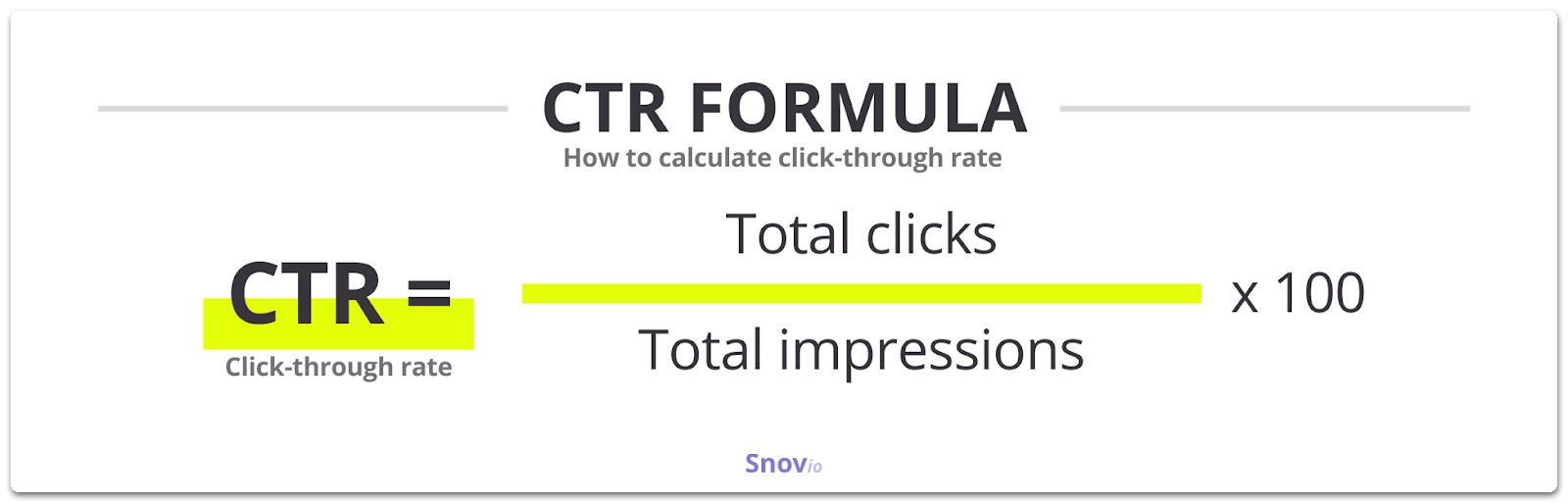
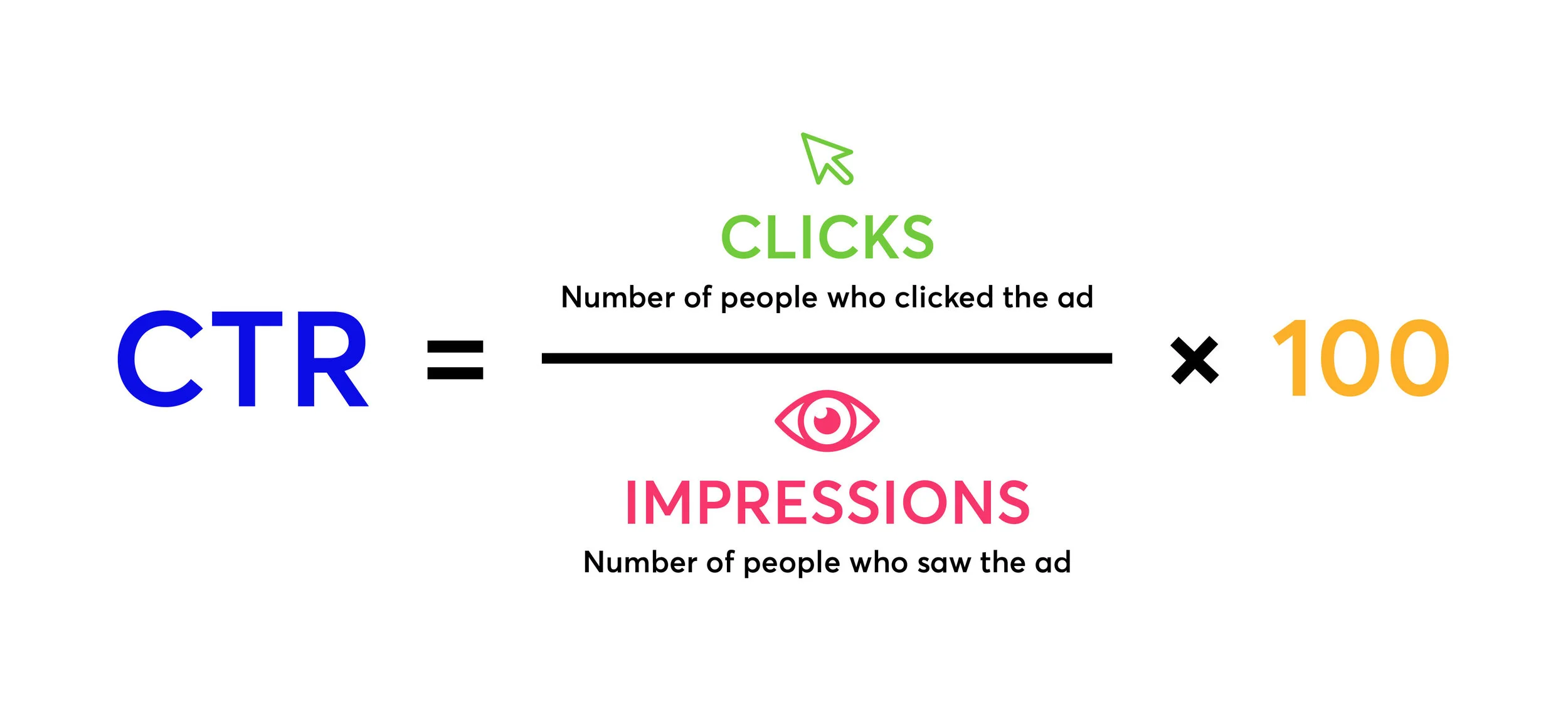
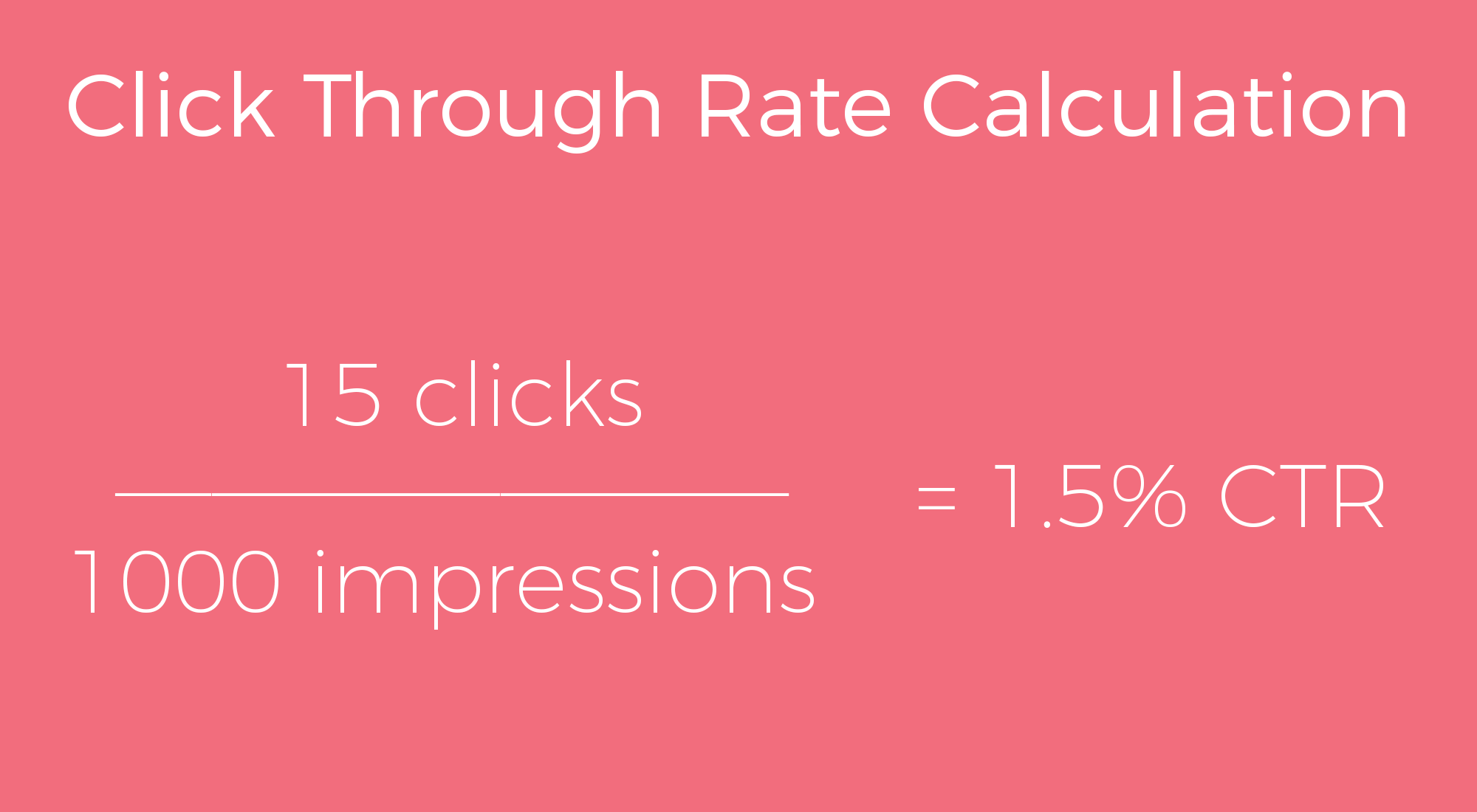
Calculating click-through rates (CTRs) is a crucial aspect of digital marketing, providing insights into the effectiveness of online campaigns. The formula for calculating CTR is:
CTR = (Clicks ÷ Impressions) x 100%
CTR measures the percentage of people who see your ad or content and click on it. Understanding CTRs is essential for optimizing digital marketing strategies and improving campaign performance.
Factors Influencing CTRs
Several factors influence CTRs, including:
- Ad Copy:Compelling and relevant ad copy can increase the likelihood of users clicking on your ad.
- Targeting:Targeting the right audience with your ads can improve CTRs.
- Ad Placement:The placement of your ad on a website or platform can affect CTRs.
- Call-to-Action:A clear and concise call-to-action can encourage users to click on your ad.
- Ad Design:Eye-catching and visually appealing ad designs can increase CTRs.
Benchmarking and Industry Standards
Understanding industry-standard click-through rates (CTRs) is crucial for evaluating campaign performance and setting realistic goals. These benchmarks provide a baseline against which you can compare your own results and identify areas for improvement.
Industry-Standard CTRs
- Email Marketing:2-5%
- Social Media Ads:0.5-2%
- Search Engine Ads:1-5%
- Display Ads:0.1-0.5%
It’s important to note that these are general averages, and actual CTRs can vary significantly depending on factors such as industry, target audience, and campaign type.
Interpreting and Comparing CTRs
When comparing your CTRs to industry benchmarks, consider the following:
- Campaign Objectives:CTRs can vary depending on the goal of the campaign (e.g., brand awareness vs. lead generation).
- Target Audience:The demographics, interests, and online behavior of your target audience can influence CTRs.
- Campaign Design:Creative elements, such as ad copy and visuals, can significantly impact CTRs.
Best Practices for Improving CTRs
To improve CTRs, consider implementing the following best practices:
- Craft Compelling Ad Copy:Use clear, concise, and action-oriented language that highlights the benefits of clicking.
- Optimize Visuals:Use high-quality images or videos that are relevant to your target audience and message.
- Target the Right Audience:Use targeting options to ensure your ads are reaching the people most likely to be interested in your offer.
- Test and Iterate:Regularly test different ad variations and make adjustments based on the results to improve CTRs over time.
Advanced CTR Analysis
Advanced CTR analysis involves segmenting CTR data and utilizing statistical tools to optimize ad campaigns and landing pages.
By segmenting CTR data based on audience demographics, device type, and other relevant variables, we can identify patterns and trends that can help us tailor our marketing efforts to specific segments.
Using CTR Analysis to Optimize Ad Campaigns, Click through rate calculator
- Analyze CTR data by campaign, ad group, and to identify areas for improvement.
- Use A/B testing to compare different ad copy, landing pages, and targeting options to determine what resonates best with each audience segment.
- Adjust bids and budgets based on CTR data to maximize campaign performance and return on investment (ROI).
Using CTR Analysis to Optimize Landing Pages
- Track CTR from ad campaigns to specific landing pages to assess their effectiveness.
- Use heatmaps and other analytics tools to identify areas of the landing page that are attracting or losing clicks.
- Make adjustments to landing page design, content, and call-to-action (CTA) to improve user experience and conversion rates.
Statistical Tools and Regression Models for CTR Analysis
Statistical tools and regression models can provide valuable insights into the factors that influence CTR.
- Linear regression can be used to identify the relationship between CTR and independent variables such as audience demographics, device type, and ad copy length.
- Logistic regression can be used to predict the probability of a click based on a set of independent variables.
- Factor analysis can be used to identify underlying factors that influence CTR, such as brand awareness or ad relevance.
Tools and Resources for CTR Calculation
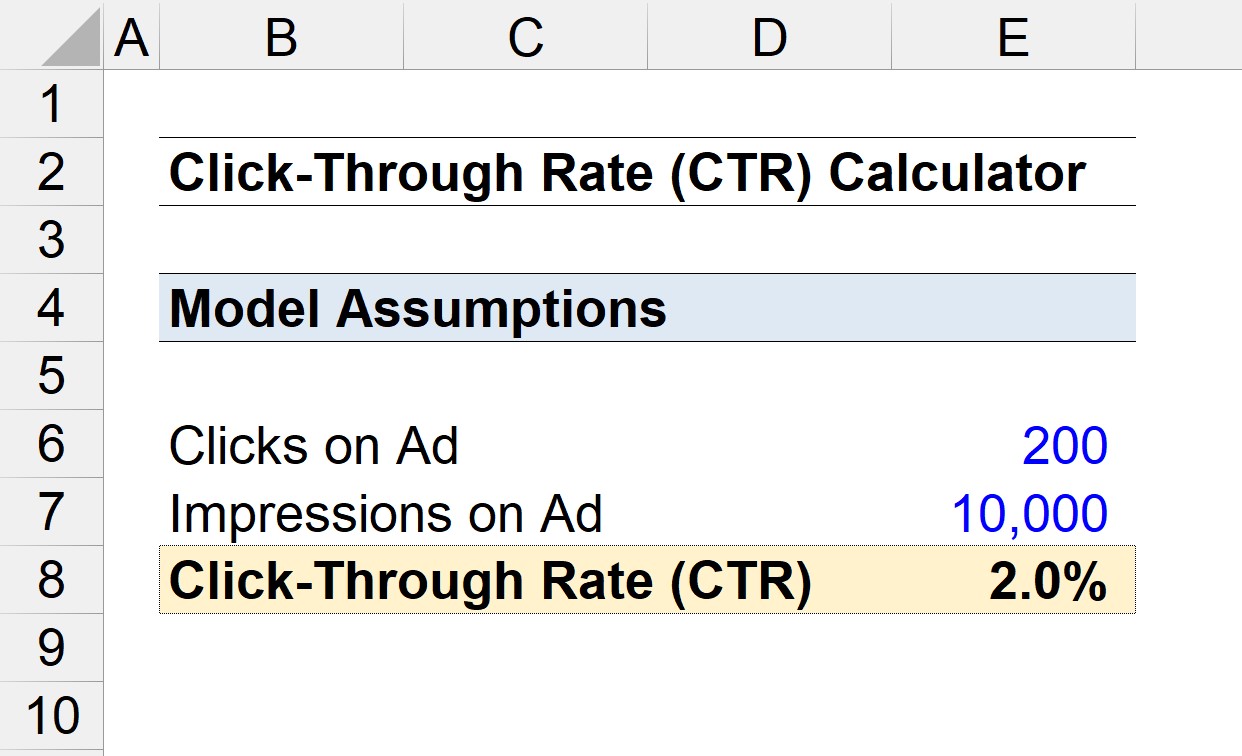
Online tools provide a convenient way to calculate CTRs, offering various features and capabilities. Selecting the right tool depends on your specific needs, such as data source, desired metrics, and budget.
Some popular online tools for CTR calculation include:
- Google Analytics:A comprehensive analytics platform that provides CTR data for various channels, including search, display, and email campaigns.
- Google Ads:A platform specifically designed for managing and tracking paid advertising campaigns, including CTR data for s and ad copy.
- ClickMeter:A paid tool that offers advanced CTR tracking features, such as A/B testing and geographic segmentation.
- Bitly:A URL shortening service that provides CTR data for shortened links, useful for tracking social media campaigns.
Choosing the Right Tool
Consider the following factors when choosing a CTR calculation tool:
- Data Source:Ensure the tool supports the data source you need, such as website traffic data, email campaigns, or social media platforms.
- Metrics:Identify the specific CTR metrics you require, such as overall CTR, channel-specific CTR, or device-specific CTR.
- Features:Determine if the tool offers additional features that meet your needs, such as A/B testing, geographic segmentation, or custom reporting.
- Budget:Consider the cost of using the tool, whether it’s free or paid, and if it aligns with your budget.
Limitations of CTR Calculation Tools
While CTR calculation tools can provide valuable insights, it’s important to be aware of their limitations:
- Accuracy:CTR tools rely on data accuracy, which can be affected by factors such as tracking errors or incomplete data.
- Contextual Factors:CTRs can be influenced by contextual factors such as ad placement, campaign duration, and audience targeting, which may not be fully captured by the tool.
- Industry and Niche Variations:CTR benchmarks and standards can vary significantly across industries and niches, making it crucial to interpret results within the appropriate context.
Final Thoughts
Harness the power of the click-through rate calculator to make informed decisions, optimize your marketing efforts, and drive exceptional results. Embrace the insights and techniques Artikeld in this guide to elevate your online presence and achieve unparalleled success.
