
Embark on an intriguing exploration of the centripetal acceleration calculator, an indispensable tool for understanding the captivating dynamics of circular motion. This calculator unveils the intricate relationship between centripetal acceleration, linear velocity, and radius of curvature, empowering you to delve into the fascinating world of physics, engineering, and sports.
Beyond its fundamental principles, the centripetal acceleration calculator extends its capabilities to encompass advanced features that elevate its functionality. From handling complex calculations to generating graphical representations, these enhancements amplify the calculator’s precision and user-friendliness, ensuring accurate and insightful results.
Centripetal Acceleration Calculator Fundamentals
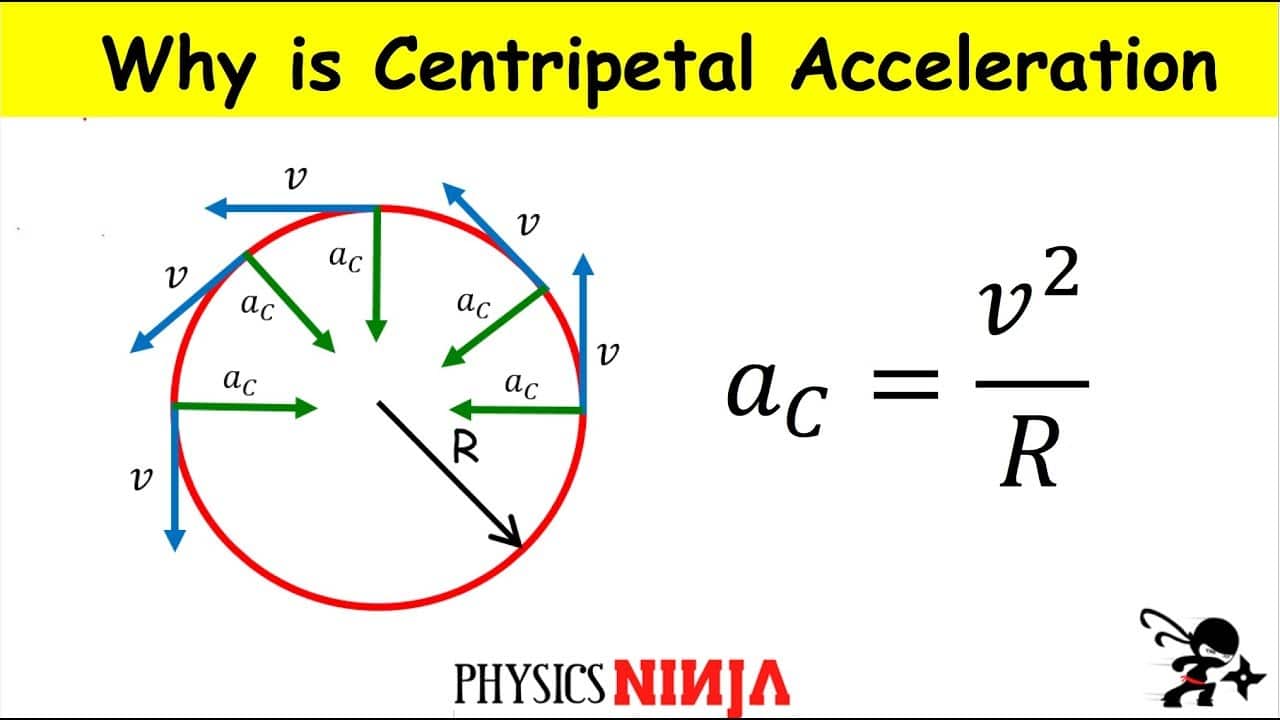
Centripetal acceleration is a vector quantity that describes the acceleration of an object moving in a circular path. It is directed towards the center of the circle and is responsible for keeping the object moving in a circular path.
Formula
The formula for centripetal acceleration is:
ac= v 2/ r
where:
- a cis the centripetal acceleration (in m/s 2)
- v is the linear velocity of the object (in m/s)
- r is the radius of curvature of the circular path (in m)
Relationship between Centripetal Acceleration, Linear Velocity, and Radius of Curvature, Centripetal acceleration calculator
The centripetal acceleration of an object is directly proportional to the square of its linear velocity and inversely proportional to the radius of curvature of its path.
This means that the faster an object is moving in a circular path, the greater its centripetal acceleration will be. Similarly, the smaller the radius of curvature of the circular path, the greater the centripetal acceleration will be.
Applications of Centripetal Acceleration Calculator

Centripetal acceleration plays a crucial role in various real-world scenarios, ranging from amusement park rides to celestial mechanics. The Centripetal Acceleration Calculator finds applications in numerous fields, including physics, engineering, and sports, enabling us to analyze and solve problems related to circular motion.
Engineering
- Vehicle Design:Engineers use the calculator to determine the centripetal acceleration experienced by vehicles navigating curves, ensuring optimal tire grip and preventing accidents.
- Bridge Construction:The calculator helps engineers calculate the forces acting on bridges during construction and operation, ensuring structural integrity under dynamic loads.
Physics
- Circular Motion Analysis:The calculator simplifies the analysis of objects moving in circular paths, such as satellites orbiting Earth or electrons within an atom.
- Centrifugal Force:The calculator aids in understanding the concept of centrifugal force, which arises due to the inertia of objects moving in circular motion.
Sports
- Track Racing:Athletes and coaches use the calculator to optimize cornering techniques, maximizing speed and minimizing centrifugal force.
- Figure Skating:The calculator assists in analyzing the centripetal acceleration experienced by skaters during spins and jumps, helping them achieve optimal performance.
Advanced Features of Centripetal Acceleration Calculator
Centripetal acceleration calculators offer advanced features that enhance their usability and accuracy. These features enable users to perform complex calculations, visualize results graphically, and gain a deeper understanding of centripetal acceleration.
Complex Calculations
Advanced calculators can handle complex calculations involving multiple variables and equations. For example, they can calculate centripetal acceleration for objects moving in non-uniform circular motion or under the influence of multiple forces.
Graphical Representations
Some calculators generate graphical representations of the centripetal acceleration, velocity, and displacement of an object. These graphs provide a visual representation of the object’s motion, making it easier to understand the relationship between the variables involved.
Additional Features
- Units conversion: Convert between different units of measurement for speed, distance, and time.
- Error analysis: Provide estimates of the uncertainty in the calculated values, helping users assess the accuracy of their results.
- Integration with other tools: Allow users to import data from other sources, such as spreadsheets or simulation software, for analysis.
Best Practices for Using Centripetal Acceleration Calculator
To ensure accurate and meaningful results from the centripetal acceleration calculator, it is crucial to follow certain best practices.
Firstly, it is essential to verify the correctness of the input values. Pay attention to the units of measurement and ensure they are consistent throughout the calculation. Double-checking the values can help minimize errors.
Sources of Error
- Incorrect input values
- Inconsistent units of measurement
- Misinterpretation of results
Tips for Interpreting and Presenting Results
After obtaining the centripetal acceleration value, it is important to interpret and present the results effectively.
- Consider the context and purpose of the calculation. This will help determine the appropriate level of precision and the need for additional analysis.
- Round the results to an appropriate number of significant figures based on the accuracy of the input values.
- Include the units of measurement in the final result to avoid confusion or misinterpretation.
Ultimate Conclusion
As we conclude our journey into the realm of centripetal acceleration, let us reflect upon the invaluable insights we have gained. The centripetal acceleration calculator has proven to be an indispensable tool, enabling us to unravel the complexities of circular motion and appreciate its profound implications across diverse fields.
Whether you seek to navigate the intricacies of physics, optimize engineering designs, or analyze athletic performance, this calculator stands as a trusted companion, empowering you to decipher the mysteries of motion.
