
Boat propeller calculators are essential tools for boat owners and enthusiasts who want to optimize their boat’s performance. With a boat propeller calculator, you can determine the ideal propeller size, pitch, and blade design for your specific boat and application.
This guide will provide you with a comprehensive overview of boat propeller calculators, including their features, benefits, and how to use them to select the right propeller for your boat.
Propellers are an essential component of any boat, as they are responsible for converting the engine’s power into thrust. The right propeller will help your boat achieve optimal speed, fuel efficiency, and handling. However, choosing the wrong propeller can lead to a variety of problems, such as poor performance, cavitation, and even damage to the engine or propeller.
Boat Propeller Dimensions and Specifications: Boat Propeller Calculator

The dimensions of a boat propeller are crucial in determining its performance and efficiency. These dimensions include the propeller’s diameter, pitch, and blade area.
The diameter of a propeller is the distance from the tip of one blade to the tip of the opposite blade. The pitch of a propeller is the theoretical distance the propeller would advance in one revolution if it were moving through a solid medium.
The blade area of a propeller is the total surface area of all the blades.
Factors Influencing Propeller Selection
The selection of the right propeller for a boat depends on several factors, including the boat’s size, weight, and engine power. A larger boat will require a larger propeller with a greater pitch to move efficiently through the water. A heavier boat will also require a larger propeller with a greater pitch to overcome its weight.
And a boat with a more powerful engine will require a propeller with a greater pitch to handle the increased power.
Propeller Design and Blade Geometry
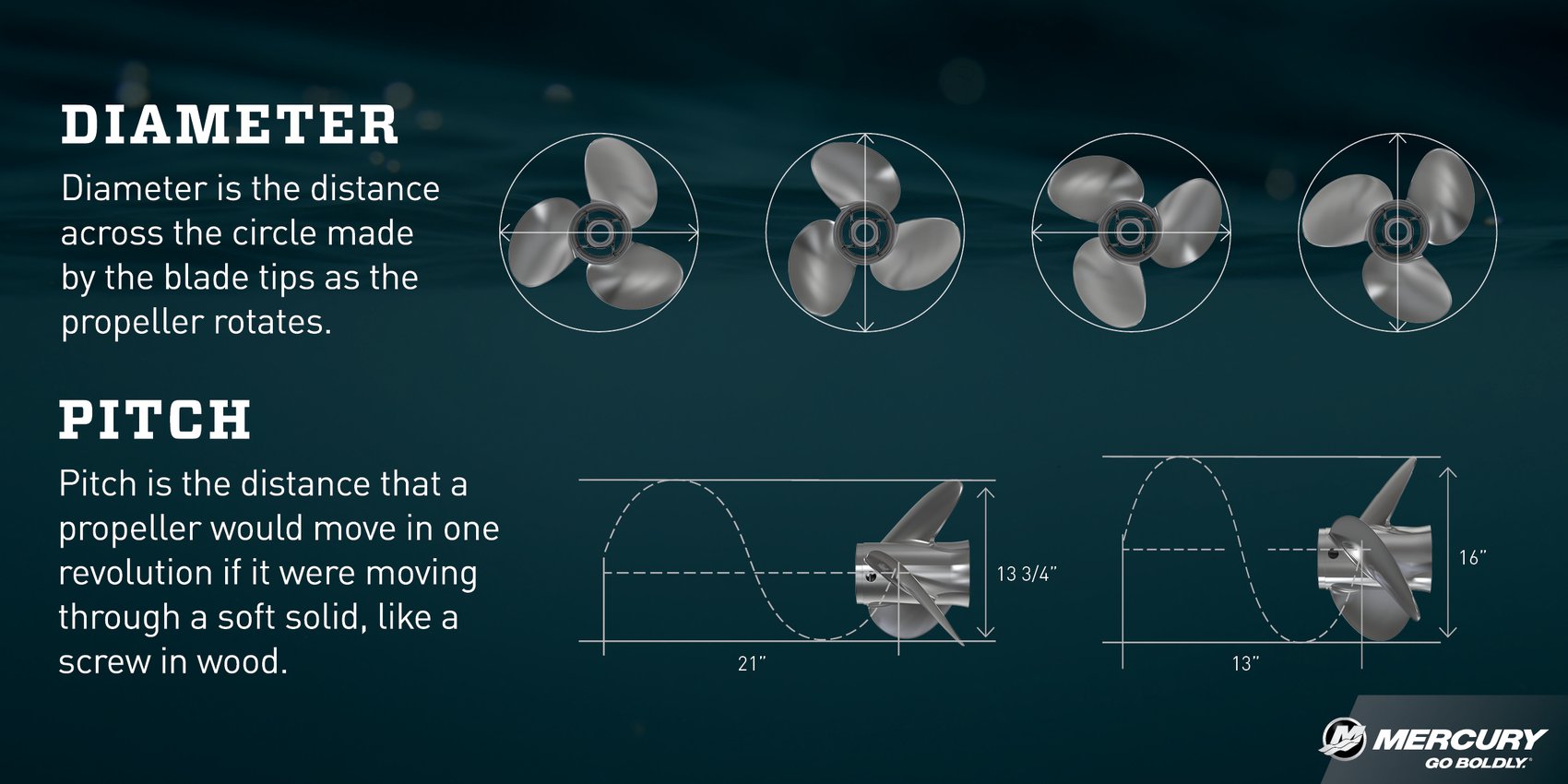
The design of a boat propeller’s blades plays a crucial role in determining its performance and efficiency. Propeller blades come in various designs, each with unique characteristics that influence their suitability for different boat types and operating conditions.
The shape and pitch of the propeller blades are critical factors that affect efficiency. Blade shape can be cupped, raked, or swept, and each design has its advantages and disadvantages. Cupped blades provide greater thrust and acceleration, while raked blades reduce vibration and improve fuel efficiency.
Swept blades offer a combination of both benefits, providing good thrust and efficiency.
The pitch of the propeller refers to the angle at which the blades are set relative to the hub. A higher pitch results in greater speed and efficiency at higher RPMs, while a lower pitch provides better acceleration and thrust at lower RPMs.
Materials Used in Propeller Construction, Boat propeller calculator
Propellers are typically constructed using various materials, including aluminum, stainless steel, and bronze. Aluminum propellers are lightweight and affordable, making them a popular choice for smaller boats. Stainless steel propellers offer greater durability and corrosion resistance, while bronze propellers are known for their strength and longevity.
The choice of propeller material depends on factors such as the boat’s size, operating conditions, and budget. For instance, aluminum propellers are suitable for smaller boats operating in freshwater environments, while stainless steel or bronze propellers are recommended for larger boats or those operating in saltwater environments.
Propeller Performance and Efficiency
Propeller performance is a crucial aspect in determining the overall efficiency and effectiveness of a boat’s propulsion system. Understanding how to calculate thrust, torque, and factors affecting efficiency is essential for optimizing propeller performance.
The performance of a boat propeller is influenced by various factors, including cavitation, ventilation, installation, and maintenance. By understanding these factors and implementing proper practices, boat owners can maximize propeller efficiency and enhance the overall performance of their vessels.
Thrust and Torque Calculations
Thrust, the force that propels a boat forward, and torque, the force that rotates the propeller, are two key performance metrics for propellers. To calculate thrust, consider factors such as propeller diameter, pitch, and rotational speed. Torque, on the other hand, is influenced by factors like propeller blade area, shape, and pitch.
Factors Affecting Propeller Efficiency
Propeller efficiency is a measure of how effectively it converts engine power into thrust. Factors that affect efficiency include:
- Cavitation:Occurs when the propeller blades create low-pressure areas that cause water to vaporize, reducing thrust and increasing noise.
- Ventilation:Occurs when air is introduced into the propeller’s flow, causing a loss of thrust and efficiency.
- Blade Geometry:Blade shape, pitch, and number influence efficiency by optimizing water flow and reducing drag.
Optimizing Propeller Performance
Optimizing propeller performance involves proper installation and maintenance practices:
- Installation:Correct propeller shaft alignment, depth, and distance from the hull are crucial for maximizing efficiency.
- Maintenance:Regular cleaning, inspection, and repair of the propeller and its components ensure optimal performance.
Propeller Selection and Application

Selecting the right propeller for a specific boat is crucial for optimal performance, efficiency, and handling. This involves considering factors such as boat size, type, hull design, engine power, and desired speed range.
Propeller Calculators and Tools
Propeller calculators and other tools can aid in propeller selection by providing recommendations based on input parameters. These tools consider factors like boat displacement, engine specifications, and desired speed to suggest suitable propeller dimensions and pitch.
Case Studies and Examples
Case studies and examples of successful propeller selection and application demonstrate the impact of selecting the right propeller. For instance, a study on a 24-foot fishing boat showed that changing the propeller from a 17-inch to a 19-inch model resulted in a significant increase in top speed and fuel efficiency.
Final Summary

Boat propeller calculators are a valuable tool for boat owners and enthusiasts who want to optimize their boat’s performance. By using a boat propeller calculator, you can quickly and easily determine the ideal propeller size, pitch, and blade design for your specific boat and application.
This will help you achieve optimal speed, fuel efficiency, and handling, and avoid costly problems caused by the wrong propeller.
