Asphalt paving cost calculator: a comprehensive guide to estimating the costs associated with asphalt paving projects. Learn about the factors that influence costs, different estimation methods, and how to use our user-friendly calculator to get accurate and reliable results.
Asphalt Paving Cost Factors

Asphalt paving costs are influenced by a multitude of factors, ranging from materials to labor, equipment, and project size. Understanding these factors is crucial for accurate cost estimation and project planning.
The primary factors affecting asphalt paving costs include:
Materials
- Asphalt binder:The type and grade of asphalt binder used significantly impact the cost. Modified binders, such as polymer-modified asphalt (PMA), offer enhanced performance but come at a higher cost.
- Aggregates:The size, type, and quality of aggregates used in the asphalt mix influence the cost. Recycled aggregates can be more cost-effective than virgin aggregates.
- Additives:Additives, such as anti-stripping agents and rejuvenators, can improve asphalt performance but increase the overall cost.
Labor
- Labor rates:The hourly rates of skilled and unskilled labor vary depending on the region and availability of skilled workers.
- Labor productivity:The efficiency and experience of the labor force impact the overall cost of the project.
- Crew size:The size of the paving crew influences the speed and efficiency of the paving process, affecting the overall cost.
Equipment
- Paving equipment:The type and size of paving equipment used, such as asphalt pavers and rollers, can impact the cost.
- Hauling equipment:The cost of hauling materials to and from the paving site depends on the distance and type of equipment used.
- Compaction equipment:The type and number of compaction rollers used affect the quality and cost of the paving process.
Project Size
- Area to be paved:The size of the area to be paved is a major factor in determining the cost of the project.
- Project complexity:Complex projects, such as those involving curves or slopes, require more specialized equipment and labor, increasing the cost.
- Accessibility:The accessibility of the paving site can affect the cost of equipment mobilization and material delivery.
Asphalt Paving Cost Estimation: Asphalt Paving Cost Calculator
Estimating asphalt paving costs is essential for planning and budgeting purposes. Various methods exist, each with its advantages and disadvantages. This section explores the different approaches for asphalt paving cost estimation.
Manual Calculations
Manual calculations involve using formulas and measurements to determine the cost of asphalt paving. This method is time-consuming and requires a good understanding of asphalt paving materials and construction techniques. However, it provides a high level of accuracy and customization.
To perform manual calculations, the following steps are generally followed:
- Measure the area to be paved.
- Determine the thickness of the asphalt layer required.
- Calculate the volume of asphalt needed using the formula: Volume = Area x Thickness.
- Multiply the volume by the unit cost of asphalt to get the material cost.
- Add labor costs, equipment rental costs, and other miscellaneous expenses.
Online Calculators
Online calculators provide a convenient and quick way to estimate asphalt paving costs. These calculators typically require the user to input the area to be paved, the thickness of the asphalt layer, and their location. The calculator then uses predefined formulas and industry averages to generate an estimated cost.
Online calculators are easy to use and can provide a reasonable estimate, but they may not be as accurate as manual calculations. Additionally, they may not account for specific project requirements or local factors that can affect the cost.
Asphalt Paving Cost Calculator
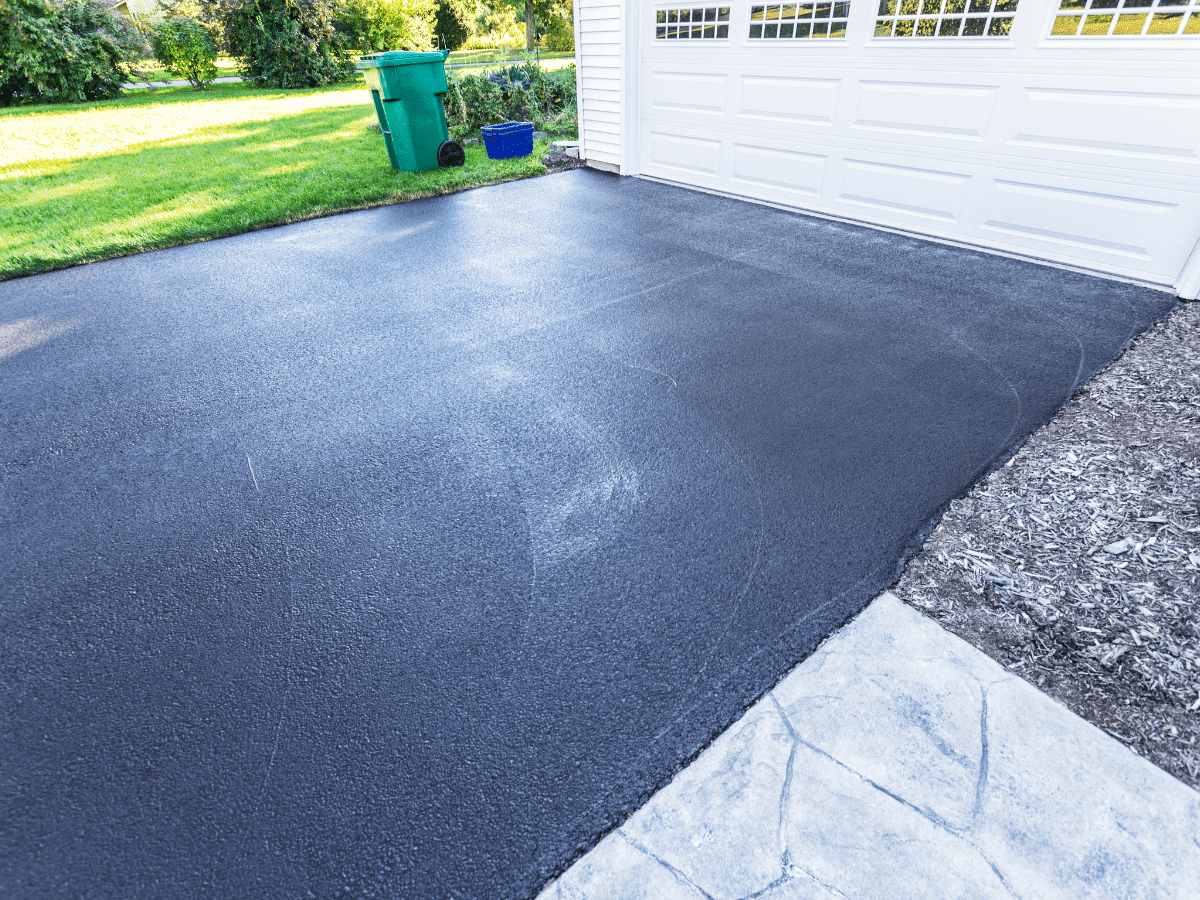
Estimating the cost of asphalt paving can be a complex task, but with the right tools, it can be made much easier. An asphalt paving cost calculator is a valuable tool that can help you get a quick and accurate estimate of the cost of your project.
To use an asphalt paving cost calculator, you will need to input some basic information about your project, such as the size of the area to be paved, the thickness of the asphalt, and the type of asphalt mix you want to use.
How to Use an Asphalt Paving Cost Calculator
- Gather the necessary information about your project, including the size of the area to be paved, the thickness of the asphalt, and the type of asphalt mix you want to use.
- Input this information into the cost calculator.
- The calculator will generate an estimate of the cost of your project.
Ensuring Accuracy and Reliability, Asphalt paving cost calculator
To ensure that the estimate you get from an asphalt paving cost calculator is accurate and reliable, it is important to use a calculator that is based on current industry data and that takes into account all of the factors that can affect the cost of asphalt paving.
Some of the factors that can affect the cost of asphalt paving include:
- The size of the area to be paved
- The thickness of the asphalt
- The type of asphalt mix used
- The location of the project
- The time of year
By taking all of these factors into account, an asphalt paving cost calculator can provide you with an accurate and reliable estimate of the cost of your project.
Asphalt Paving Cost Comparison
When comparing asphalt paving costs, it’s crucial to consider various factors that can significantly impact the final price. These factors include material quality, project size, labor rates, and geographic location.
The table below provides a comprehensive comparison of asphalt paving costs from different contractors or regions, taking into account these key variables:
Material Quality
- Standard Asphalt:This is the most commonly used type of asphalt and is suitable for low- to medium-traffic areas. It typically costs less than other types of asphalt.
- Polymer-Modified Asphalt:This type of asphalt is more durable and resistant to cracking and wear than standard asphalt. It is often used in high-traffic areas and has a higher cost.
- Rubberized Asphalt:This type of asphalt contains recycled rubber tires, which improves its flexibility and noise-dampening properties. It is often used in areas with heavy traffic or where noise reduction is a concern, and it typically has a higher cost than standard asphalt.
Ultimate Conclusion
By understanding the factors that affect asphalt paving costs and using the right estimation methods, you can make informed decisions about your project and ensure that it stays within your budget.