
The 10 key calculator is a versatile and indispensable tool that has revolutionized the way we perform calculations in various industries. Its compact design, intuitive layout, and specialized features make it the preferred choice for professionals seeking speed, accuracy, and efficiency in their daily tasks.
In this comprehensive guide, we will delve into the functionality, applications, ergonomics, and advanced features of 10 key calculators. We will also explore their advantages over other types of calculators and provide tips for choosing the optimal model for your specific needs.
Calculator Functionality and Features
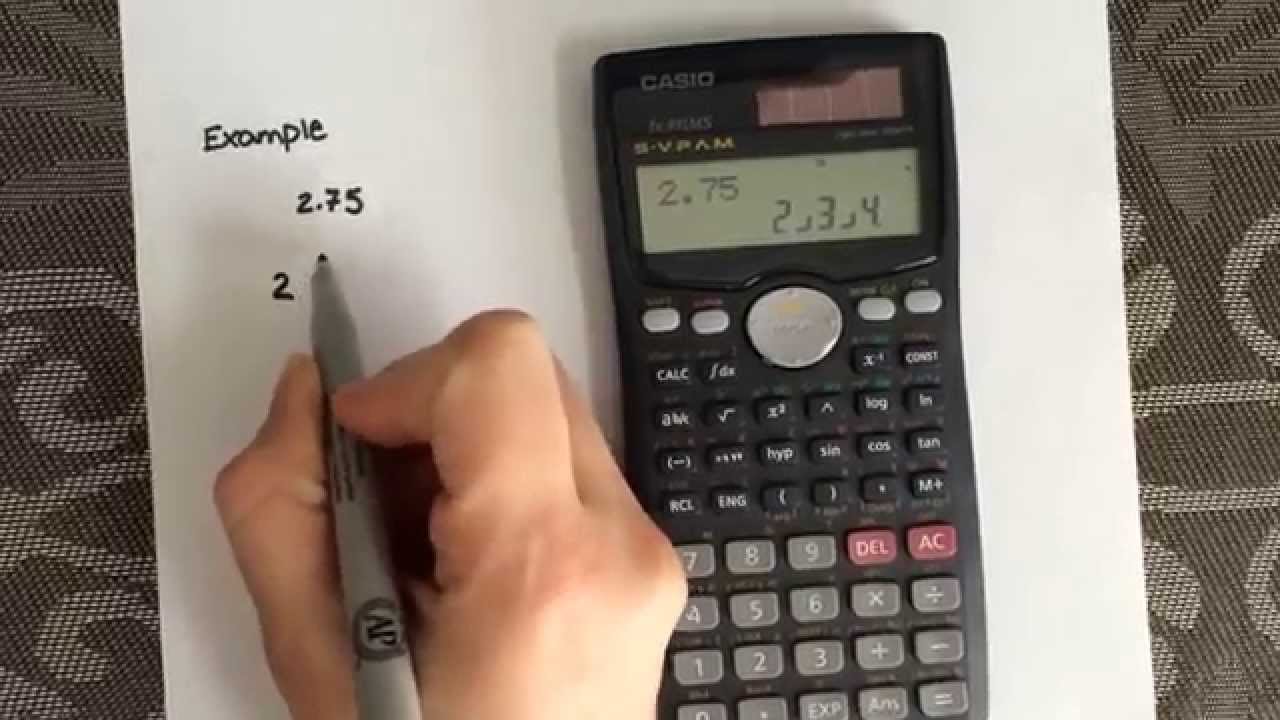
A 10 key calculator is a basic calculator designed for performing simple arithmetic operations, including addition, subtraction, multiplication, and division. It typically features a numeric keypad with 10 digits (0-9) and a few basic function keys, such as a decimal point, a plus or minus key, and an equals key.
The primary advantage of a 10 key calculator is its simplicity and ease of use. Its compact design and limited number of keys make it ideal for quick and simple calculations, such as those encountered in basic math operations, retail transactions, or financial calculations.
Specialized Features
While most 10 key calculators offer only basic arithmetic functions, some models may include additional specialized features, such as:
- Memory functions: These functions allow users to store and recall values for later use, simplifying complex calculations that require multiple steps.
- Percentage calculations: These functions enable users to calculate percentages, discounts, and markups, making them useful in retail and financial applications.
- Tax calculations: Some 10 key calculators include dedicated keys for calculating taxes, simplifying tax computations for sales transactions or financial planning.
Applications in Various Industries

10 key calculators have become ubiquitous in a wide range of industries, providing efficient and accurate solutions for various calculation tasks. Their specialized design and functionality make them ideally suited for handling calculations related to sales transactions, financial analysis, and data entry in industries such as retail, finance, and accounting.
Retail
In retail environments, 10 key calculators are essential for cashiers and sales associates to quickly and accurately calculate customer purchases, including subtotal, tax, and total amount due. The dedicated number keys and clear display enable fast and efficient data entry, while the percentage key facilitates easy calculation of discounts and markups.
Finance
Financial professionals rely on 10 key calculators for complex calculations involving percentages, ratios, and currency conversions. They are used by accountants for tasks such as preparing financial statements, calculating depreciation, and analyzing financial data. Investment analysts use these calculators to evaluate stock prices, calculate returns, and perform risk assessments.
Accounting, 10 key calculator
In accounting, 10 key calculators are indispensable for data entry and performing calculations related to invoices, payroll, and tax returns. The dedicated number keys and decimal point allow for precise data entry, while the memory function enables quick recall of frequently used values.
The ability to perform basic arithmetic operations, including addition, subtraction, multiplication, and division, makes these calculators ideal for balancing accounts and reconciling financial statements.
Ergonomics and User Experience
10 key calculators are designed with ergonomics in mind, ensuring comfort and efficiency during prolonged use. Their compact size and lightweight construction make them easy to handle and carry around.
The placement of keys is carefully considered, with frequently used keys positioned for quick access. The size and shape of the buttons provide ample surface area for accurate keystrokes, minimizing errors and fatigue.
Key Placement
- The numeric keys are arranged in a logical and intuitive layout, allowing for fast and accurate data entry.
- Function keys are typically located at the top or bottom of the calculator, providing easy access to commonly used functions like memory recall and clear.
- Special keys, such as the decimal point and negative sign, are conveniently placed for quick and efficient use.
Button Design
- The buttons are designed to provide tactile feedback, making it easy to confirm keystrokes without looking at the calculator.
- The shape and size of the buttons minimize accidental key presses, improving accuracy and reducing frustration.
- Some calculators feature raised or textured buttons for enhanced grip and comfort.
Overall Comfort
- The overall design of the calculator promotes a comfortable grip, reducing strain on the hands and wrists.
- The use of non-slip materials and a stable base ensures the calculator stays in place during use.
- Some calculators offer adjustable tilt angles, allowing users to find the most ergonomic position for their individual needs.
Choosing a 10 key calculator with optimal ergonomics can significantly improve productivity and reduce fatigue during extended periods of use. Look for calculators with well-spaced keys, comfortable button designs, and an overall ergonomic form factor.
Advanced Features and Integrations

In addition to their core functionality, certain 10 key calculators offer advanced features and integrations that enhance their versatility and usefulness in various applications.
These features include:
Connectivity
Some 10 key calculators can connect to a computer or printer, allowing users to transfer data seamlessly. This connectivity streamlines workflows, such as entering data into spreadsheets or printing reports, eliminating the need for manual data entry and reducing errors.
Specialized Functions
Certain 10 key calculators are designed with specialized functions for specific industries. For example, financial calculators may include functions for calculating interest rates, compound interest, and other financial calculations. Scientific calculators may include functions for trigonometric calculations, statistical analysis, and other scientific operations.
These specialized functions enhance the calculator’s usefulness in specific domains, making them indispensable tools for professionals in those fields.
Customization
Some 10 key calculators offer customizable features, such as the ability to create and save custom formulas or macros. This customization allows users to tailor the calculator to their specific needs and preferences, further enhancing its efficiency and ease of use.
Last Point: 10 Key Calculator

In conclusion, the 10 key calculator remains a cornerstone of efficient and accurate calculations across a wide range of industries. Its user-friendly design, specialized features, and ergonomic considerations make it an indispensable tool for professionals seeking to streamline their workflows and enhance their productivity.
