
Welcome to the realm of hull speed calculators, indispensable tools that empower boat designers, engineers, and enthusiasts alike to unravel the secrets of boat performance. Join us as we embark on a journey to understand the concept of hull speed, delve into the factors that shape it, and explore the types and applications of these calculators.
Prepare to navigate the waters of boat design with precision and efficiency.
The concept of hull speed, the theoretical maximum speed a displacement hull can achieve, forms the cornerstone of our exploration. We will provide a step-by-step guide to using hull speed calculators, ensuring you can harness their power to optimize your boat’s design.
Understanding Hull Speed Calculator
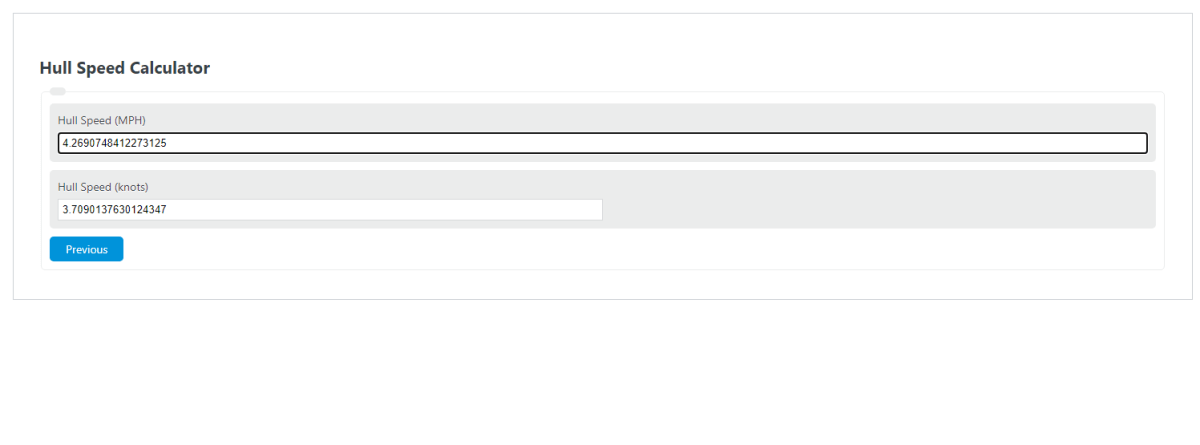
Hull speed, a fundamental concept in boat design, represents the maximum theoretical speed a displacement hull can achieve without experiencing excessive wave-making resistance. Understanding this concept is crucial for optimizing boat performance and ensuring efficient operation.To calculate hull speed, you can utilize a hull speed calculator, which provides a straightforward and accurate method.
Here’s a step-by-step guide:
Determining Hull Speed
1.
-
-*Gather Boat Measurements
Determine the waterline length (LWL) of your boat, which is the length of the boat at the waterline.
- 2.
- 3.
-*Enter Waterline Length
Input the waterline length into the hull speed calculator.
-*Calculate Hull Speed
The calculator will use the following formula to compute hull speed:
“`Hull Speed = 1.34 x √(LWL)“`where:
- Hull Speed is in knots
- LWL is in feet
- 4.
-*Interpret Results
The calculated value represents the maximum theoretical hull speed your boat can achieve without encountering excessive wave-making resistance.
Factors Affecting Hull Speed
The hull speed of a boat is not a fixed value but rather a theoretical maximum speed that is determined by a number of factors, including the boat’s length, shape, and displacement.
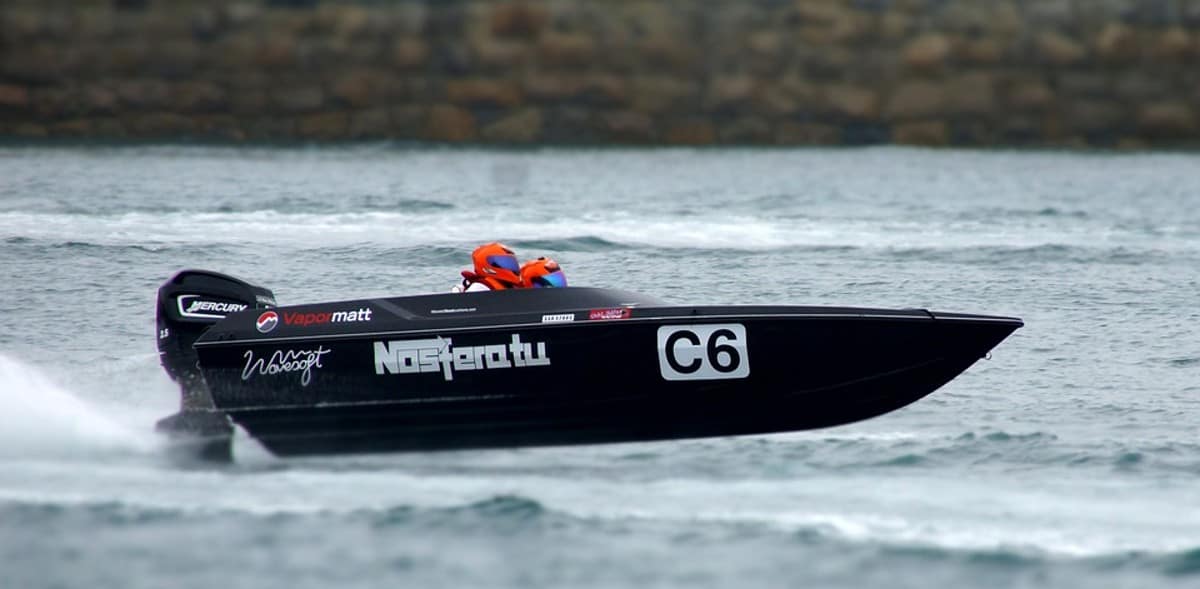
The hull speed of a boat is directly proportional to the square root of its waterline length. This means that a longer boat will have a higher hull speed than a shorter boat. The shape of a boat’s hull also affects its hull speed.
A boat with a narrow, sharp hull will have a higher hull speed than a boat with a wide, blunt hull.
Finally, the displacement of a boat also affects its hull speed. Displacement is the weight of the water that is displaced by the boat. A boat with a greater displacement will have a lower hull speed than a boat with a smaller displacement.
The Interaction of Factors
The various factors that affect hull speed interact in a complex way to determine the maximum achievable speed of a boat. In general, a boat with a longer, narrower hull and a smaller displacement will have a higher hull speed than a boat with a shorter, wider hull and a larger displacement.
However, there are limits to how much these factors can be optimized. For example, a boat with a very long, narrow hull may be difficult to maneuver, and a boat with a very small displacement may be too unstable.
Ultimately, the hull speed of a boat is a compromise between these various factors. The goal is to design a boat that has a high hull speed but is also safe, maneuverable, and stable.
Types of Hull Speed Calculators
Hull speed calculators come in various forms, each with its own set of features, accuracy, and limitations. Understanding the different types can help you choose the best one for your specific needs.
Generally, there are two main categories of hull speed calculators: online calculators and software programs.
Online Calculators
Online calculators are web-based tools that allow you to calculate hull speed using a simple form. These calculators are typically easy to use and accessible from any device with an internet connection.
- Advantages:
- Convenient and accessible
- Free to use
- No software installation required
- Disadvantages:
- Limited functionality compared to software programs
- Accuracy may vary depending on the calculator
Software Programs
Software programs are dedicated applications that you can install on your computer. These programs offer more advanced features and customization options than online calculators.
- Advantages:
- More comprehensive and accurate calculations
- Additional features such as hull design analysis and optimization
- Can be used offline
- Disadvantages:
- Requires software installation
- May require a paid subscription
Applications of Hull Speed Calculators
Hull speed calculators are invaluable tools for boat designers, engineers, and boaters. They play a crucial role in estimating boat performance, fuel consumption, and safety.
These calculators provide insights into the maximum theoretical speed a boat can achieve based on its waterline length. By understanding hull speed, designers can optimize hull shape and design to minimize drag and improve overall efficiency.
Estimating Performance
Hull speed calculators help designers predict a boat’s top speed under ideal conditions. This information is essential for determining the boat’s suitability for intended use, whether it’s for cruising, racing, or fishing. By knowing the hull speed, designers can make informed decisions about engine power, propeller size, and hull shape to maximize performance.
Fuel Consumption, Hull speed calculator
Hull speed calculators also provide insights into fuel consumption. Operating a boat at or near its hull speed requires less power and fuel than exceeding it. By using these calculators, designers and boaters can determine the most efficient cruising speed to minimize fuel costs and maximize range.
Safety
Hull speed calculators contribute to safety by helping designers and boaters understand the limitations of a boat’s design. Exceeding hull speed can lead to increased drag, reduced maneuverability, and potential damage to the hull. By adhering to hull speed guidelines, boaters can operate their vessels safely and avoid potential hazards.
Real-World Examples
Hull speed calculators have been applied in various real-world scenarios, including:
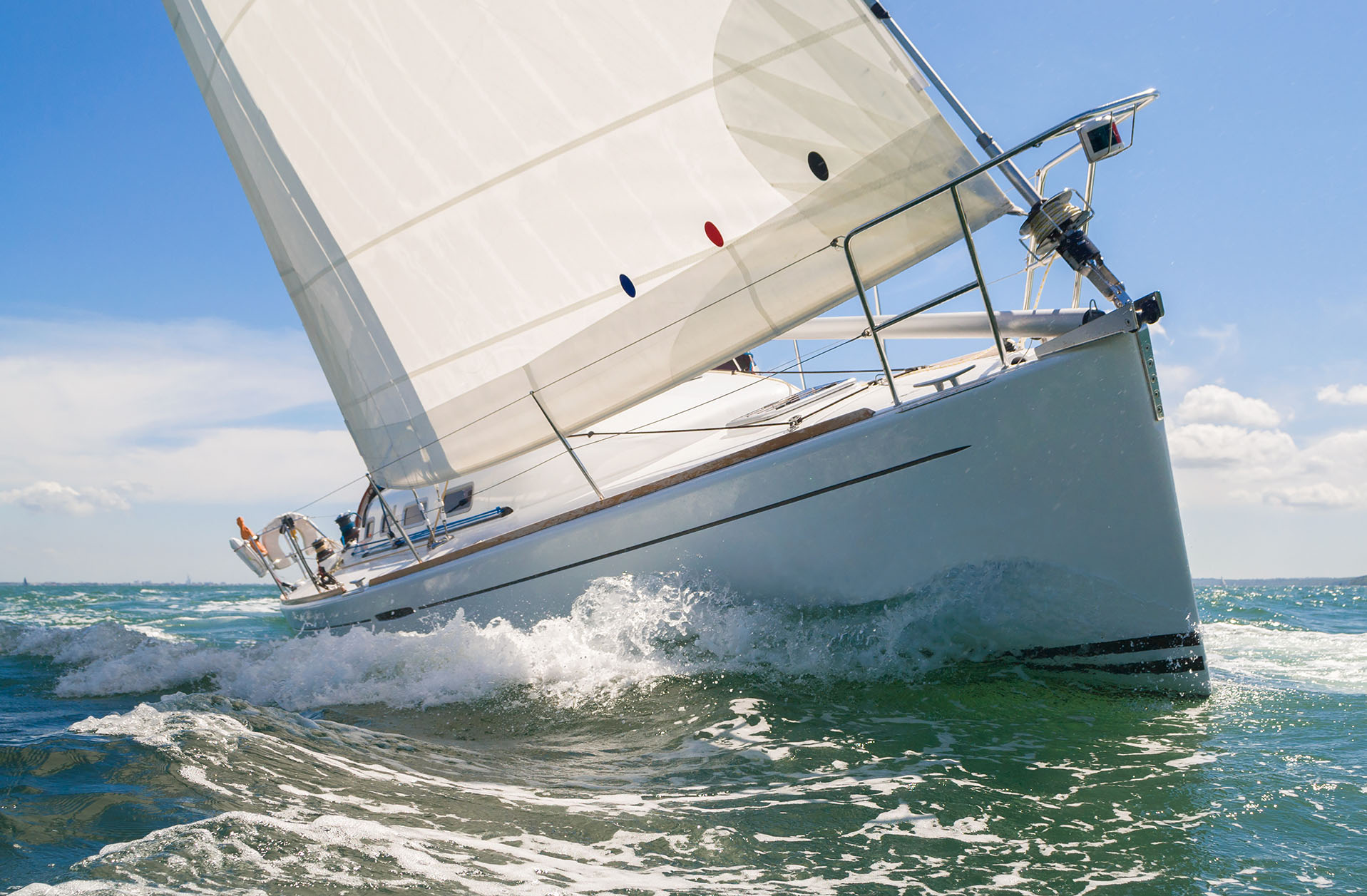
- Design of racing sailboats to optimize hull shape for maximum speed.
- Engineering of commercial fishing vessels to determine fuel efficiency and operating costs.
- Assessment of boat performance during sea trials to verify design calculations.
Final Review
In conclusion, hull speed calculators have revolutionized the world of boat design, enabling us to accurately predict performance, estimate fuel consumption, and enhance safety. As we bid farewell, remember that these calculators are not mere tools but gateways to unlocking the full potential of your boat.
May your voyages be swift, efficient, and filled with the thrill of pushing the boundaries of speed and performance.
