
Introducing the Stock Split Calculator, your comprehensive guide to understanding and calculating the intricacies of stock splits. In this article, we delve into the basics of stock splits, exploring their types, effects, and implications for investors. Join us as we unravel the complexities of stock splits, empowering you to make informed investment decisions.
Throughout this guide, we’ll provide real-world examples, historical data, and a user-friendly stock split calculator to enhance your understanding. Whether you’re a seasoned investor or just starting out, this article will equip you with the knowledge and tools to navigate the world of stock splits with confidence.
Stock Split Basics

A stock split is a corporate action where a company divides its existing shares into a larger number of shares, resulting in a lower price per share. This is done to make the stock more affordable for investors and increase its liquidity.
There are two main types of stock splits:
Forward Stock Split
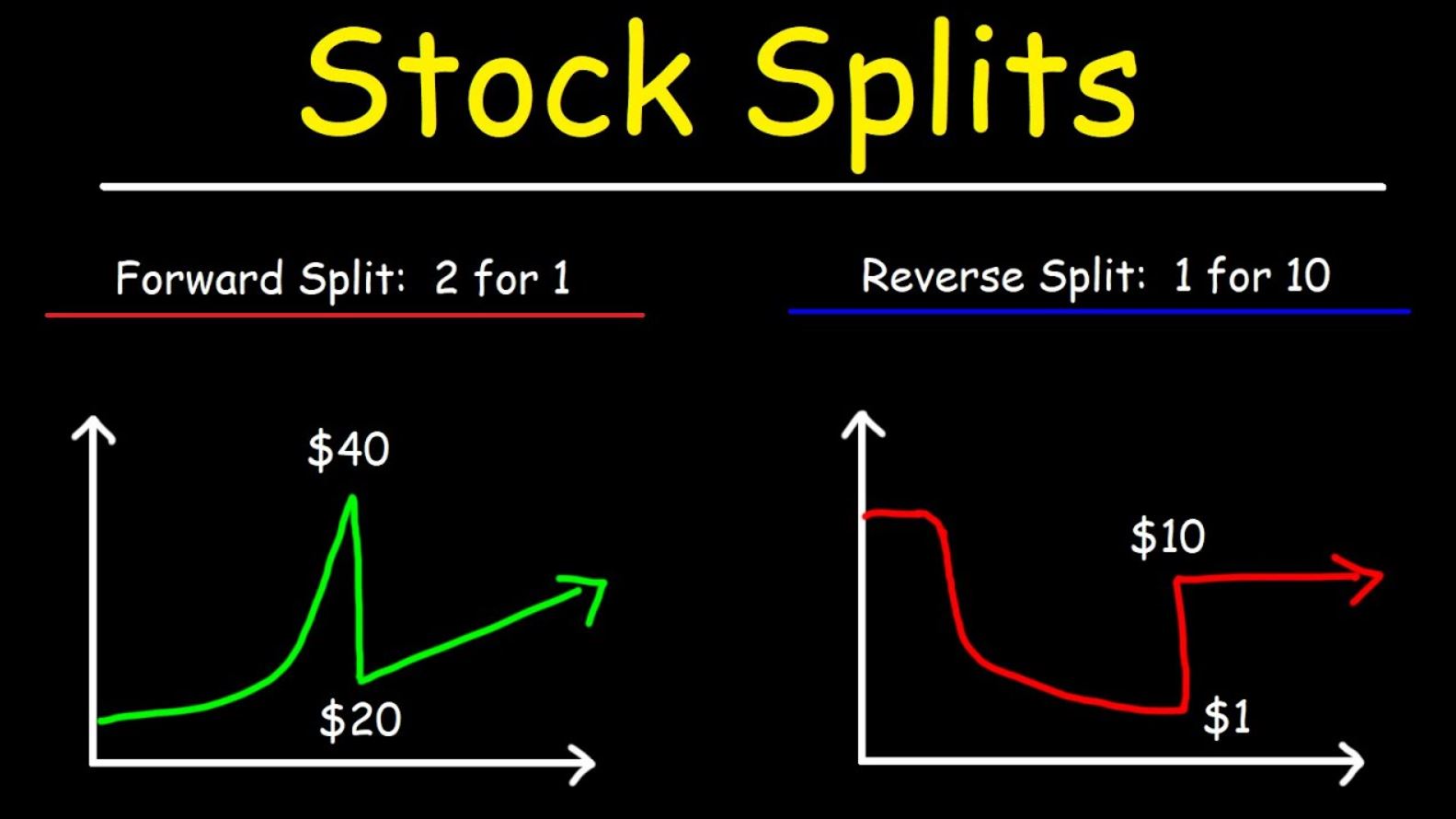
In a forward stock split, the company increases the number of shares outstanding by a certain ratio. For example, a 2-for-1 stock split would result in each shareholder receiving two shares for every one share they previously owned.
Reverse Stock Split
In a reverse stock split, the company decreases the number of shares outstanding by a certain ratio. For example, a 1-for-2 reverse stock split would result in each shareholder receiving one share for every two shares they previously owned.
Stock splits can have a number of benefits, including:
- Increased liquidity
- Lower share price
- Increased accessibility for investors
However, stock splits can also have some drawbacks, such as:
- Potential dilution of earnings per share
- Increased volatility
Calculating the Effects of a Stock Split: Stock Split Calculator

Stock splits are corporate actions that involve increasing the number of shares outstanding while reducing the price per share. Understanding the effects of a stock split is crucial for investors to make informed decisions.
Calculating New Number of Shares
To calculate the new number of shares after a stock split, multiply the existing number of shares by the split ratio. For example, a 2-for-1 stock split would double the number of shares, while a 3-for-2 split would increase the number of shares by 50%.
Impact on Share Price and Market Capitalization
A stock split does not affect the total market capitalization of the company. The market capitalization, which is the total value of the company’s outstanding shares, remains the same. However, the share price is reduced proportionally to the split ratio.
For instance, in a 2-for-1 split, the share price would be halved.
Formula for Calculating Stock Split Effects
The following formula can be used to calculate the effects of a stock split:
New Number of Shares = Existing Number of Shares
Split Ratio
New Share Price = Existing Share Price / Split Ratio
Historical Stock Split Data
Stock splits are a common corporate action that can significantly impact a company’s stock price and shareholder equity. By analyzing historical stock split data, investors can gain valuable insights into the trends and patterns associated with this practice.
Historical Stock Splits of Major Companies, Stock split calculator
The table below showcases historical stock splits for several major companies:
| Company | Split Ratio | Date | Pre-Split Share Price | Post-Split Share Price |
|---|---|---|---|---|
| Apple Inc. (AAPL) | 2-for-1 | 2020-08-31 | $549.99 | $274.99 |
| Amazon.com, Inc. (AMZN) | 20-for-1 | 2022-06-06 | $117.50 | $5.88 |
| Alphabet Inc. (GOOGL) | 20-for-1 | 2022-07-15 | $1,196.98 | $59.85 |
| Microsoft Corporation (MSFT) | 3-for-2 | 2022-06-28 | $299.42 | $199.61 |
| Tesla, Inc. (TSLA) | 5-for-1 | 2022-08-25 | $900.00 | $180.00 |
These examples demonstrate the varying split ratios and dates implemented by major companies. Stock splits can range from small adjustments (e.g., 2-for-1) to more significant changes (e.g., 20-for-1).
Impact on Investment Decisions
Stock splits can significantly impact investment strategies and decision-making processes. Understanding the potential benefits and risks associated with investing in companies that have undergone stock splits is crucial for investors.
Stock splits can affect investment strategies in various ways. They can make stocks more accessible to retail investors, increase liquidity, and potentially boost investor confidence. However, it’s important to note that stock splits do not fundamentally change the underlying value of a company.
Potential Benefits
- Increased Accessibility:Stock splits can make stocks more affordable for retail investors, broadening the investor base and increasing the liquidity of the stock.
- Enhanced Liquidity:By increasing the number of shares outstanding, stock splits can improve liquidity, making it easier for investors to buy and sell shares.
- Investor Confidence:Stock splits can signal a company’s financial strength and growth potential, boosting investor confidence and potentially leading to increased demand for the stock.
Potential Risks
- No Fundamental Change:It’s crucial to remember that stock splits do not alter the intrinsic value of a company. The underlying fundamentals and financial performance remain unchanged.
- Short-Term Volatility:Stock splits can sometimes lead to short-term price volatility as investors adjust their positions.
- Dilution of Ownership:Stock splits increase the number of shares outstanding, resulting in a proportionate dilution of ownership for existing shareholders.
Guidance on Evaluating Stock Splits
When evaluating stock splits, investors should consider the following factors:
- Company Fundamentals:Assess the company’s financial health, growth prospects, and overall industry outlook.
- Stock Performance:Analyze the stock’s historical performance, price trends, and market sentiment.
- Split Ratio:Consider the magnitude of the stock split and its potential impact on share price and liquidity.
- Investor Objectives:Determine if the stock split aligns with the investor’s investment goals and risk tolerance.
Last Recap
In conclusion, stock splits are a complex but essential aspect of investing. By understanding the basics, calculating the effects, and considering the impact on investment decisions, you can make informed choices and potentially enhance your investment strategies. Remember, stock splits can present both opportunities and risks, so it’s crucial to conduct thorough research and seek professional advice when necessary.
