The scuba weight calculator is an indispensable tool for divers of all levels, ensuring a safe and enjoyable underwater experience. Dive into this guide to learn how weight calculators work, the factors that influence your weight requirements, and essential safety considerations for proper weight management.
Scuba Diving Weight Management
Proper weight management is crucial in scuba diving, ensuring a comfortable and safe underwater experience. It involves adjusting the diver’s weight to achieve neutral buoyancy, where they neither sink nor float uncontrollably.
Buoyancy is influenced by several factors, including the diver’s body composition, equipment weight, and the water’s density. Neutral buoyancy allows divers to control their depth and movement effortlessly, reducing the risk of accidents and increasing dive enjoyment.
Types of Weights
Various types of weights are used in scuba diving, each with specific applications:
- Integrated Weights:Built into the buoyancy compensator device (BCD), providing a streamlined and adjustable weight system.
- Weight Belts:Worn around the waist, allowing for quick and easy weight adjustments.
- Ankle Weights:Attached to the diver’s ankles, providing stability and reducing the risk of rolling over.
- Trim Weights:Small weights placed on the BCD or weight belt to fine-tune buoyancy and trim.
Using Scuba Weight Calculators
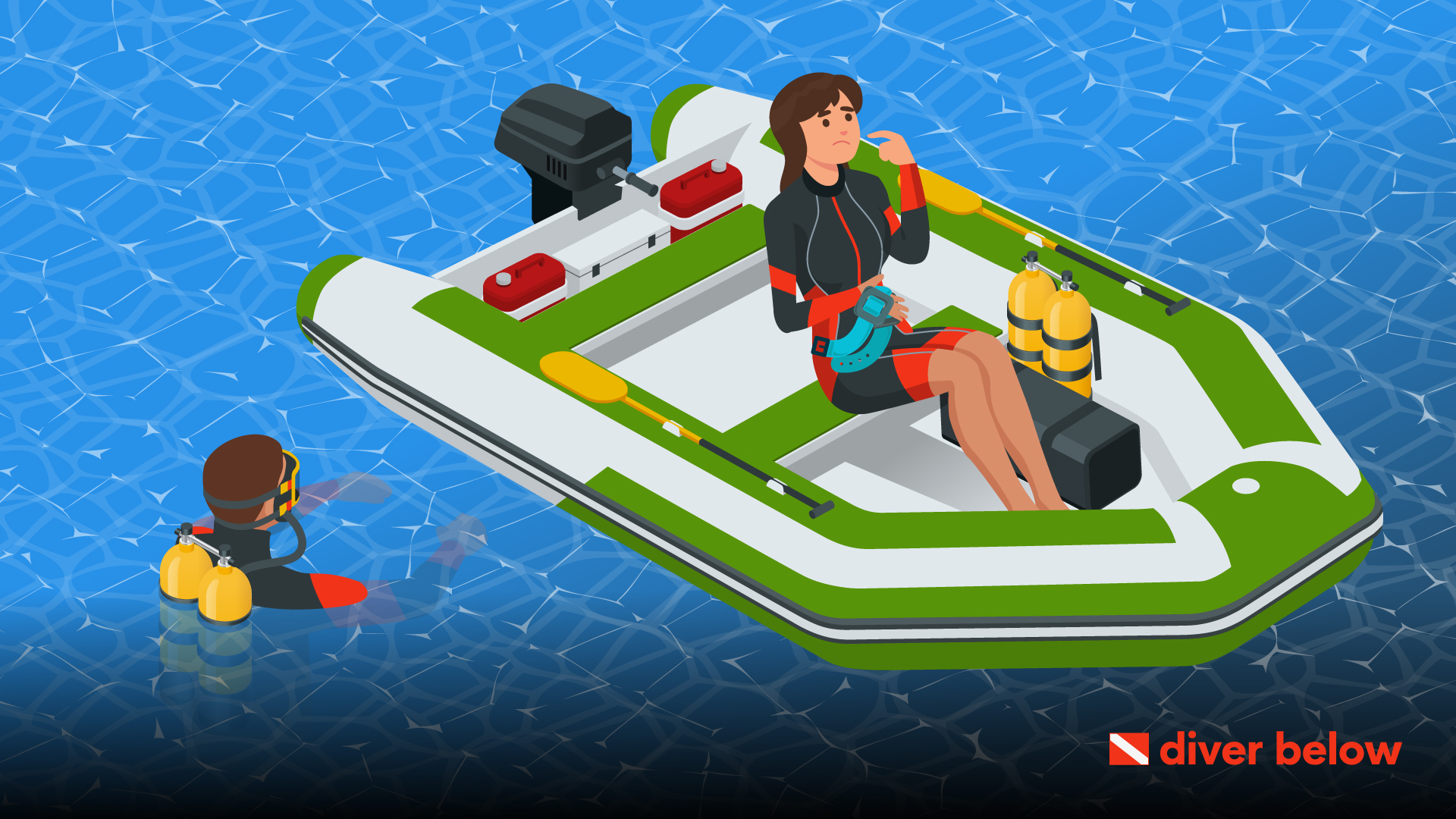
Scuba weight calculators are online tools that help divers determine the amount of weight they need to add to their diving gear to achieve neutral buoyancy. Neutral buoyancy means that the diver is neither floating up nor sinking down and can easily maintain their position in the water.
Weight calculators take into account several input parameters, including the diver’s weight, suit thickness, tank size, and water salinity. The calculator then uses an algorithm to determine the amount of weight needed to achieve neutral buoyancy.
Advantages of Using Weight Calculators
- Accuracy: Weight calculators provide a more accurate estimate of the weight needed than simply guessing or using a rule of thumb.
- Convenience: Weight calculators are easy to use and can be accessed online or through mobile apps.
- Safety: Using the correct amount of weight is essential for diver safety. Weight calculators help divers avoid being over or underweighted, which can lead to accidents.
Limitations of Using Weight Calculators
- Not a Substitute for Experience: Weight calculators are not a substitute for experience. Divers should always consult with a qualified instructor to determine the correct amount of weight for their specific needs.
- Accuracy Depends on Input Parameters: The accuracy of weight calculators depends on the accuracy of the input parameters. Divers should carefully enter their information to ensure a reliable result.
- May Not Account for All Factors: Weight calculators may not account for all factors that can affect buoyancy, such as the diver’s body fat percentage or the type of equipment they are using.
Factors Affecting Weight Requirements
Determining the appropriate amount of weight for scuba diving is crucial for a safe and enjoyable experience. Various factors influence the weight requirements, and divers must consider these to ensure proper buoyancy control and minimize risks.
Key factors affecting weight requirements include body composition, suit thickness, equipment configuration, and diving conditions. Understanding how these factors impact weight requirements is essential for divers to make informed decisions and adjust their weight accordingly.
Body Composition
Body composition, particularly body fat percentage, plays a significant role in weight requirements. Individuals with higher body fat tend to be more buoyant due to the lower density of fat compared to muscle and bone. As a result, they may require less weight to achieve neutral buoyancy.
Divers should consider their body composition when determining weight requirements. Those with higher body fat may need to adjust their weight accordingly to prevent over-buoyancy, while individuals with lower body fat may require more weight to achieve neutral buoyancy.
Suit Thickness, Scuba weight calculator
The thickness of a diver’s wetsuit or drysuit also affects weight requirements. Thicker suits provide more insulation and buoyancy due to the trapped air within the suit. Divers wearing thicker suits may require less weight to achieve neutral buoyancy compared to those wearing thinner suits.
When diving in cold water or using thick suits for thermal protection, divers should adjust their weight to account for the increased buoyancy provided by the suit. Failure to do so can lead to over-buoyancy and difficulty maintaining proper depth control.
Equipment Configuration
The type and amount of equipment carried by a diver can also impact weight requirements. Divers carrying heavy equipment, such as multiple tanks, underwater cameras, or other accessories, may require more weight to achieve neutral buoyancy.
It is important for divers to consider the weight of their equipment when planning a dive. By taking into account the total weight of the equipment, divers can adjust their weight accordingly to ensure proper buoyancy control and minimize the risk of over-weighting or under-weighting.
Diving Conditions
Diving conditions, such as water density and currents, can also affect weight requirements. Diving in saltwater, which is denser than freshwater, requires less weight to achieve neutral buoyancy compared to diving in freshwater.
Additionally, strong currents can affect buoyancy and may require divers to adjust their weight accordingly. Divers should be aware of the diving conditions and make necessary adjustments to their weight to maintain proper buoyancy control.
Safety Considerations
Incorrect weight management in scuba diving can lead to serious risks. Understanding buoyancy control and the consequences of over-weighting or under-weighting is crucial for divers’ safety.
Over-weighting can cause excessive buoyancy, making it difficult to descend and increasing the risk of uncontrolled ascents. Divers may also experience fatigue and muscle strain from carrying extra weight.
Under-weighting, on the other hand, can lead to negative buoyancy, making it challenging to stay afloat. Divers may struggle to control their depth, increasing the risk of sinking or getting trapped underwater.
Safety Tips for Weight Management and Buoyancy Control
- Consult with a certified dive instructor to determine your optimal weight based on your body composition, equipment, and dive conditions.
- Practice buoyancy control skills in a controlled environment before diving in open water.
- Use a weight belt that allows for quick and easy adjustments.
- Distribute weights evenly around your body to maintain balance and stability.
- Check your weight and buoyancy regularly throughout the dive, especially after changes in depth or equipment.
Conclusion

By understanding the principles of scuba weight management and utilizing weight calculators effectively, divers can optimize their buoyancy, enhance their diving skills, and create unforgettable underwater adventures.