
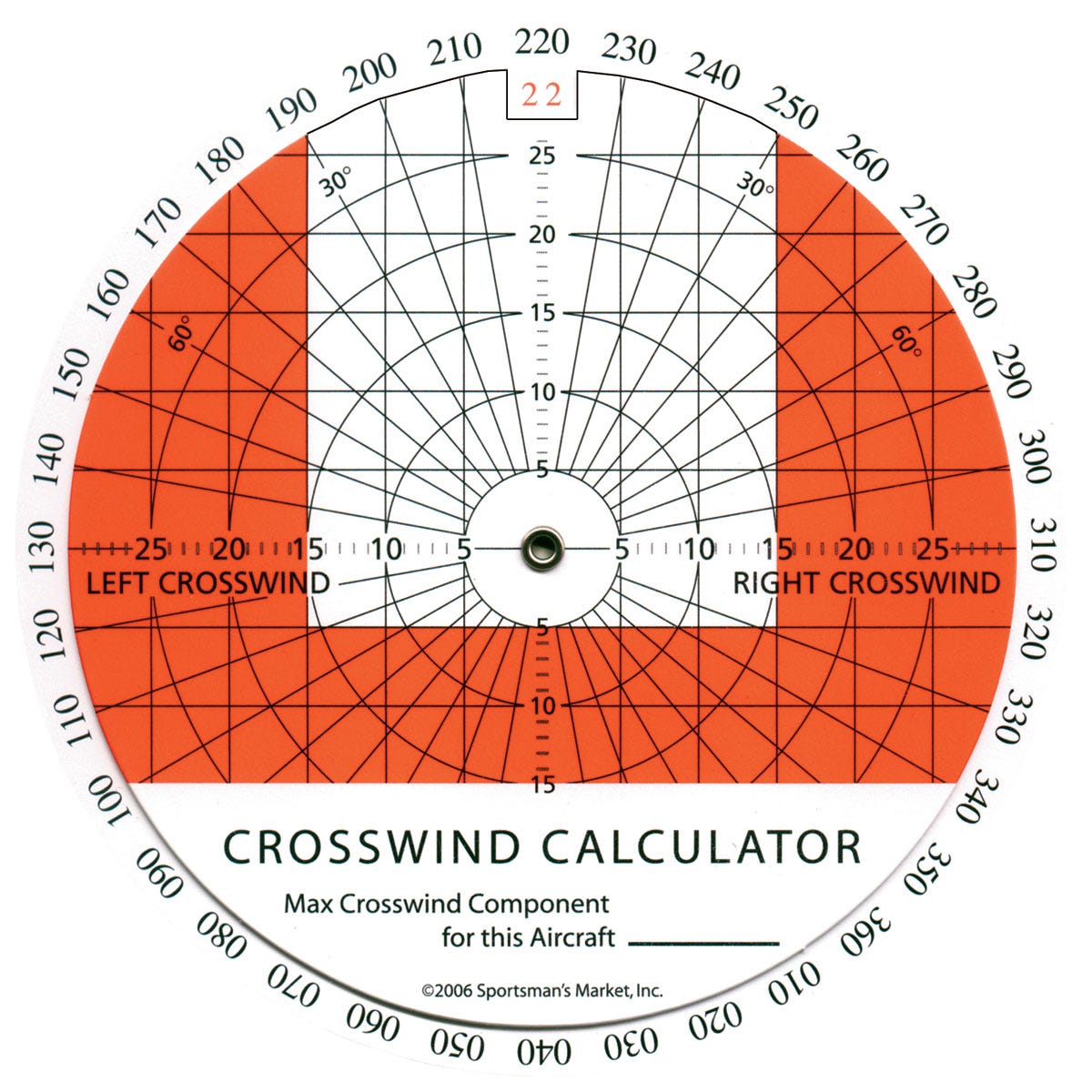
Navigating crosswinds with confidence begins with the Cross Wind Calculator, an indispensable tool that empowers pilots to calculate crosswind components and determine their impact on aircraft performance. Dive into the world of crosswind calculations and discover the secrets of executing safe and precise crosswind landings.
Understanding the dynamics of crosswinds and their effects on different aircraft types is crucial for effective flight planning and execution. Crosswind calculators simplify these complex calculations, providing pilots with accurate data to make informed decisions.
Crosswind Calculations: Cross Wind Calculator

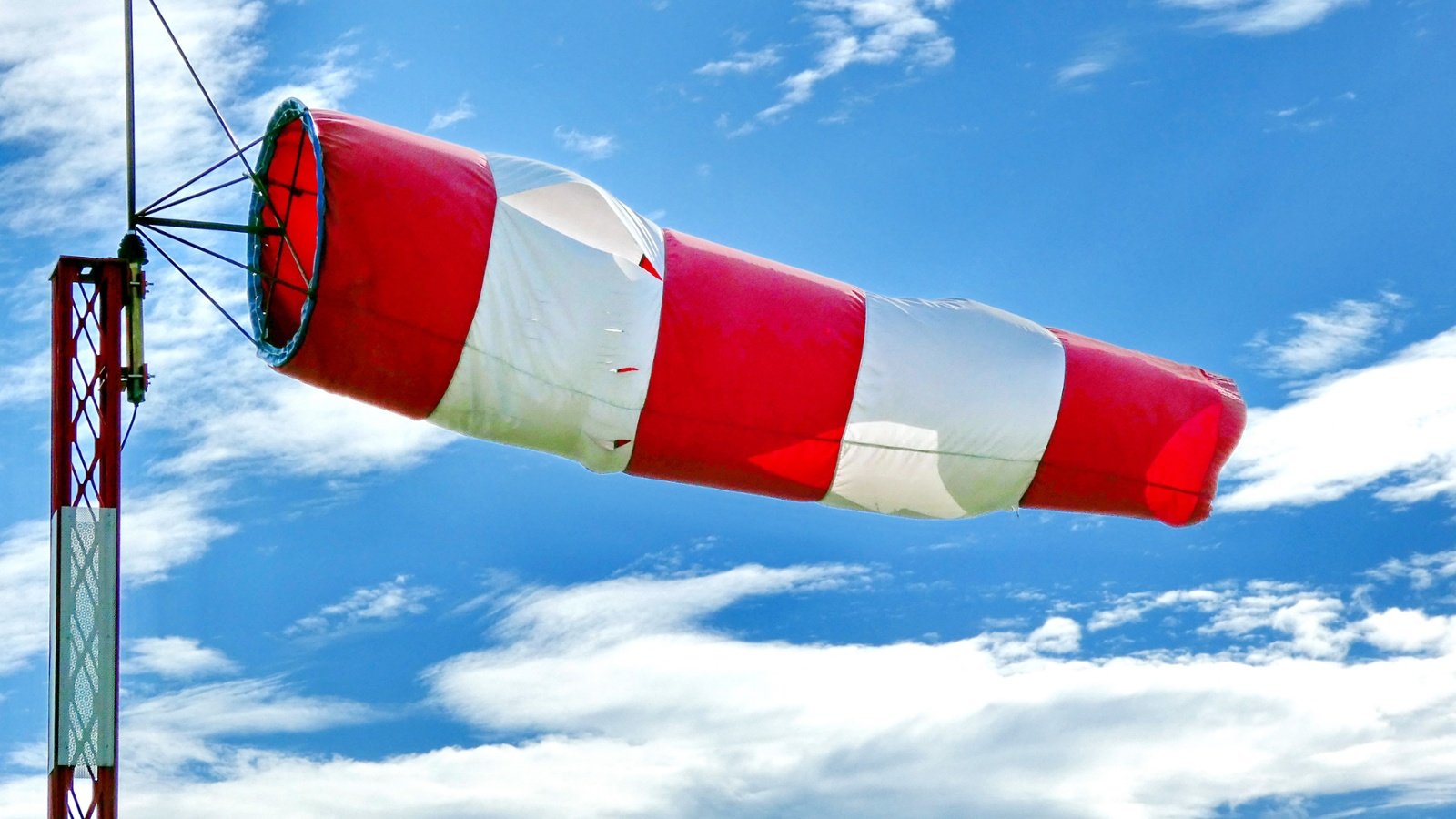
Crosswind is the component of wind perpendicular to the aircraft’s flight path. It can significantly affect aircraft performance, particularly during takeoff and landing.
Formula for Crosswind Component
The crosswind component is calculated using the following formula:
CW = W
sin(A)
Where:
- CW is the crosswind component
- W is the wind speed
- A is the angle between the wind direction and the aircraft’s flight path
Crosswind Landing Techniques
Landing in crosswinds requires additional skill and techniques to ensure a safe and controlled touchdown. This involves managing the aircraft’s drift and maintaining the desired track while approaching the runway.
Crab and Slip Maneuvers
Crabbing involves aligning the aircraft’s fuselage into the wind, creating a “crab” angle. This counteracts the crosswind’s drift and keeps the aircraft moving in the desired direction. Once established, a slip maneuver is used to correct the aircraft’s lateral drift.
This involves lowering the wing into the wind and using rudder to keep the aircraft aligned with the runway.
Wind Correction Angles
Wind correction angles are crucial for crosswind landings. These angles calculate the drift correction required for the aircraft to maintain its desired track. They involve determining the wind’s direction and speed, and calculating the crab angle and slip angle accordingly.
By applying these angles, pilots can compensate for the crosswind’s effects and achieve a safe and precise landing.
Crosswind Calculator Applications
Crosswind calculators are valuable tools that assist pilots in determining the necessary adjustments to compensate for crosswinds during takeoff and landing.
There are various crosswind calculator applications available, each with its own unique features and benefits. Some popular options include:
ForeFlight Crosswind Calculator
- User-friendly interface
- Provides detailed calculations for takeoff and landing
- Includes a wind component diagram
- Available as an app for iOS and Android devices
Garmin Pilot Crosswind Calculator, Cross wind calculator
- Integrated with Garmin navigation systems
- Provides real-time wind data
- Calculates crosswind corrections for both takeoff and landing
- Available as an app for iOS and Android devices
AvPlan EFB Crosswind Calculator
- Comprehensive crosswind calculations
- Includes a runway analysis tool
- Provides wind forecasts and historical data
- Available as an app for iOS and Android devices
To use a crosswind calculator, simply input the following information:
- Wind speed and direction
- Aircraft type
- Runway length and width
The calculator will then provide the necessary corrections for takeoff and landing, including the crab angle, drift angle, and groundspeed.
Crosswind Safety Considerations

Crosswind landings pose significant challenges to pilots, demanding precise control and careful judgment. Understanding the risks and employing appropriate techniques are crucial for safe crosswind operations.
Crosswinds create lateral forces on the aircraft, potentially leading to drift, yaw, and roll. Excessive crosswinds can exceed the aircraft’s performance limitations, increasing the risk of runway excursions, ground loops, and other incidents.
Proper Training and Experience
Proper training and experience are paramount for safe crosswind landings. Pilots should undergo specialized training to develop the necessary skills and techniques, including:
- Crosswind component calculations and limitations
- Proper rudder and aileron control
- Slip and crab techniques
- Windshear recognition and recovery procedures
Mitigating Crosswind Risks
Mitigating crosswind risks involves a combination of planning, technique, and situational awareness:
- Plan Ahead:Obtain accurate weather forecasts, including crosswind components. Consider alternate airports or runway options with more favorable conditions.
- Use Crab and Slip Techniques:Use the crab technique to align the aircraft’s fuselage with the runway heading while countering the crosswind drift. Use the slip technique to maintain the aircraft’s heading while allowing for lateral drift.
- Control Rudder and Ailerons:Use the rudder to counteract yaw and the ailerons to maintain roll control. Avoid overcorrecting, as this can lead to excessive sideslip or roll.
- Be Aware of Windshear:Be alert to windshear conditions, which can create sudden and significant changes in wind direction and speed. Be prepared to adjust controls and abort the landing if necessary.
Final Wrap-Up
Mastering crosswind landings requires a combination of theoretical knowledge, practical experience, and the use of reliable tools like the Cross Wind Calculator. By embracing these techniques and adhering to safety guidelines, pilots can confidently navigate crosswind conditions, ensuring a smooth and controlled touchdown.
