The transferrin saturation calculator is an invaluable tool for healthcare professionals seeking to assess iron status. This calculator determines the percentage of transferrin, a protein responsible for iron transport, that is saturated with iron. Understanding transferrin saturation is crucial for diagnosing and managing iron-related disorders.
Transferrin saturation levels provide insights into iron metabolism, helping clinicians differentiate between iron deficiency and iron overload. This information aids in guiding treatment decisions and monitoring the effectiveness of iron therapy or blood transfusions.
Transferrin Saturation: Clinical Significance

Role of Transferrin in Iron Transport and Homeostasis
Transferrin is a vital glycoprotein responsible for the transport of iron throughout the body. It plays a crucial role in maintaining iron homeostasis, ensuring adequate iron availability for various physiological processes while preventing iron overload.Transferrin binds to iron in a reversible manner, forming a complex known as transferrin-bound iron (TBI).
This complex is then transported to cells that require iron for functions such as hemoglobin synthesis, oxygen transport, and enzymatic reactions.
Transferrin Saturation Calculator

A transferrin saturation calculator is an online tool that helps healthcare professionals determine the transferrin saturation of a patient based on their serum iron and total iron-binding capacity (TIBC) values.
Usage and Interpretation
To use the calculator, simply enter the patient’s serum iron and TIBC values into the designated fields. The calculator will then automatically calculate the transferrin saturation, which is expressed as a percentage.
The transferrin saturation percentage indicates the proportion of transferrin that is bound to iron. A normal transferrin saturation level is typically between 20% and 50%. Values below 20% may indicate iron deficiency, while values above 50% may indicate iron overload.
Limitations and Potential Sources of Error
It is important to note that transferrin saturation calculators are not a substitute for clinical judgment. The results of the calculator should always be interpreted in the context of the patient’s overall clinical presentation.
There are several potential sources of error that can affect the accuracy of transferrin saturation calculators. These include:
- Errors in the measurement of serum iron or TIBC
- Variations in the reference ranges used by different laboratories
- The presence of interfering substances in the patient’s blood sample
Transferrin Saturation and Iron Deficiency/Overload
Transferrin saturation is a useful indicator of iron status, providing insights into both iron deficiency and overload conditions.
Iron Deficiency
In iron deficiency, transferrin saturation is typically low, often below 15%. This reflects the reduced availability of iron for binding to transferrin, resulting in unsaturated transferrin molecules. Low transferrin saturation is a hallmark of iron deficiency anemia, where inadequate iron stores lead to impaired hemoglobin production.
Anemia of Chronic Disease
In contrast, anemia of chronic disease (ACD) is characterized by normal or elevated transferrin saturation despite low hemoglobin levels. This is due to the sequestration of iron in macrophages and the inhibition of iron release from stores, leading to hypoferremia (low serum iron) but normal or high transferrin saturation.
Iron Overload
Elevated transferrin saturation, often above 45%, can indicate iron overload conditions, such as hemochromatosis or thalassemia. In these conditions, excessive iron accumulates in tissues, leading to increased transferrin saturation as transferrin attempts to bind the excess iron.
Clinical Applications of Transferrin Saturation
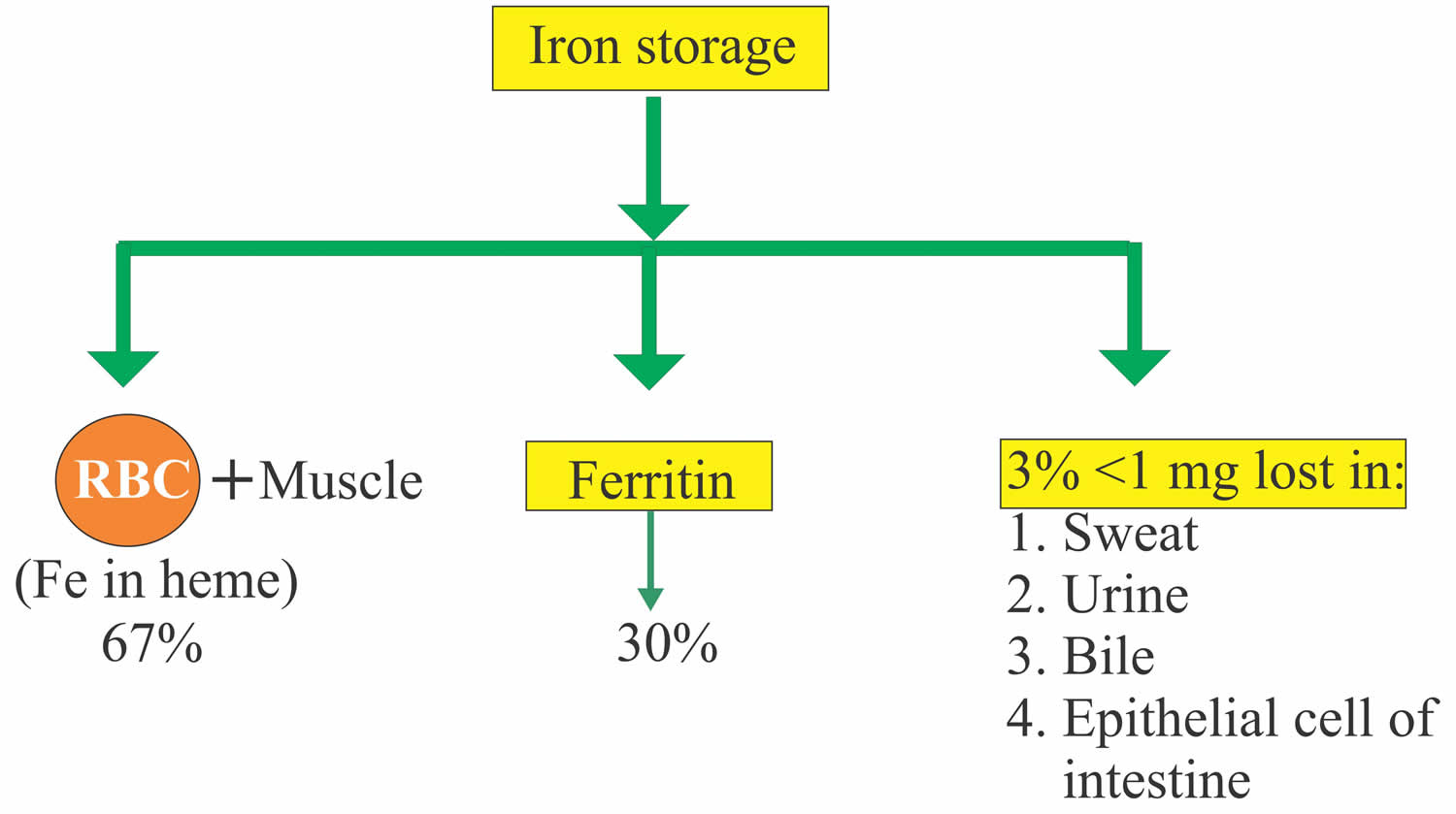
Transferrin saturation, a measure of iron-binding capacity, plays a crucial role in diagnosing and monitoring iron-related conditions.
Its clinical applications extend to various scenarios, including:
Diagnosis of Iron Deficiency
- Transferrin saturation levels below 20% indicate iron deficiency, especially when accompanied by other symptoms like fatigue, weakness, and pale skin.
- It helps differentiate iron deficiency from other conditions with similar symptoms, such as anemia of chronic disease.
Monitoring Iron Therapy
- Transferrin saturation is used to monitor the effectiveness of iron therapy.
- Adequate iron levels are achieved when transferrin saturation reaches 20-50%.
Assessing Iron Overload, Transferrin saturation calculator
- Elevated transferrin saturation levels, particularly above 50%, suggest iron overload, a condition that can damage organs.
- Monitoring transferrin saturation is crucial in patients receiving blood transfusions, as it helps prevent excessive iron accumulation.
Importance of Clinical Context
Interpreting transferrin saturation results requires consideration of clinical context, including:
- Other laboratory findings (e.g., hemoglobin, ferritin)
- Medical history (e.g., blood loss, chronic inflammation)
- Medications (e.g., iron supplements, erythropoietin)
Combining transferrin saturation with clinical data ensures accurate diagnosis and appropriate management of iron-related conditions.
Last Word

In conclusion, the transferrin saturation calculator is a powerful tool that enhances the assessment of iron status. By providing a quantitative measure of transferrin saturation, it assists healthcare professionals in making informed clinical decisions and ensuring optimal patient outcomes.