The Soil Texture Calculator is an invaluable tool for farmers, gardeners, and anyone interested in understanding the composition of their soil. By providing a comprehensive analysis of soil texture, this calculator helps users determine the ideal conditions for plant growth and optimize their agricultural practices.
Soil texture refers to the relative proportions of sand, silt, and clay particles in a soil sample. Understanding soil texture is crucial for various reasons, including determining water retention capacity, drainage, and nutrient availability. The Soil Texture Calculator simplifies this process by providing accurate and reliable results based on user-inputted data.
Soil Texture Analysis: Soil Texture Calculator

Soil texture analysis is a fundamental practice in agriculture, providing valuable insights into the physical characteristics of soil that influence its behavior and suitability for various purposes. Understanding soil texture is essential for optimizing crop production, managing soil health, and making informed decisions about land use.
Soil texture refers to the relative proportions of sand, silt, and clay particles in a soil sample. These particles vary in size, shape, and surface area, affecting the soil’s physical properties, such as water retention, drainage, aeration, and nutrient availability.
Methods of Soil Texture Analysis
There are several methods for determining soil texture, each with its advantages and limitations:
- Field Texturing: A simple and rapid method that involves feeling and manipulating moist soil between fingers to estimate the relative proportions of sand, silt, and clay.
- Sieve Analysis: A more precise method that separates soil particles based on size using a series of sieves with different mesh sizes.
- Hydrometer Analysis: A laboratory technique that measures the settling rate of soil particles in a water suspension to determine their size distribution.
Soil Texture Calculator
The soil texture calculator is a valuable tool for determining the texture class of a soil sample based on its particle size distribution. Soil texture is a fundamental soil property that influences various soil characteristics, including water retention, aeration, and nutrient availability.
Soil Texture Calculator
To use the soil texture calculator, follow these steps:
- Enter the percentages of sand, silt, and clay in the respective input fields.
- Click the “Calculate” button.
- The calculated soil texture class will be displayed in the “Soil Texture” field.
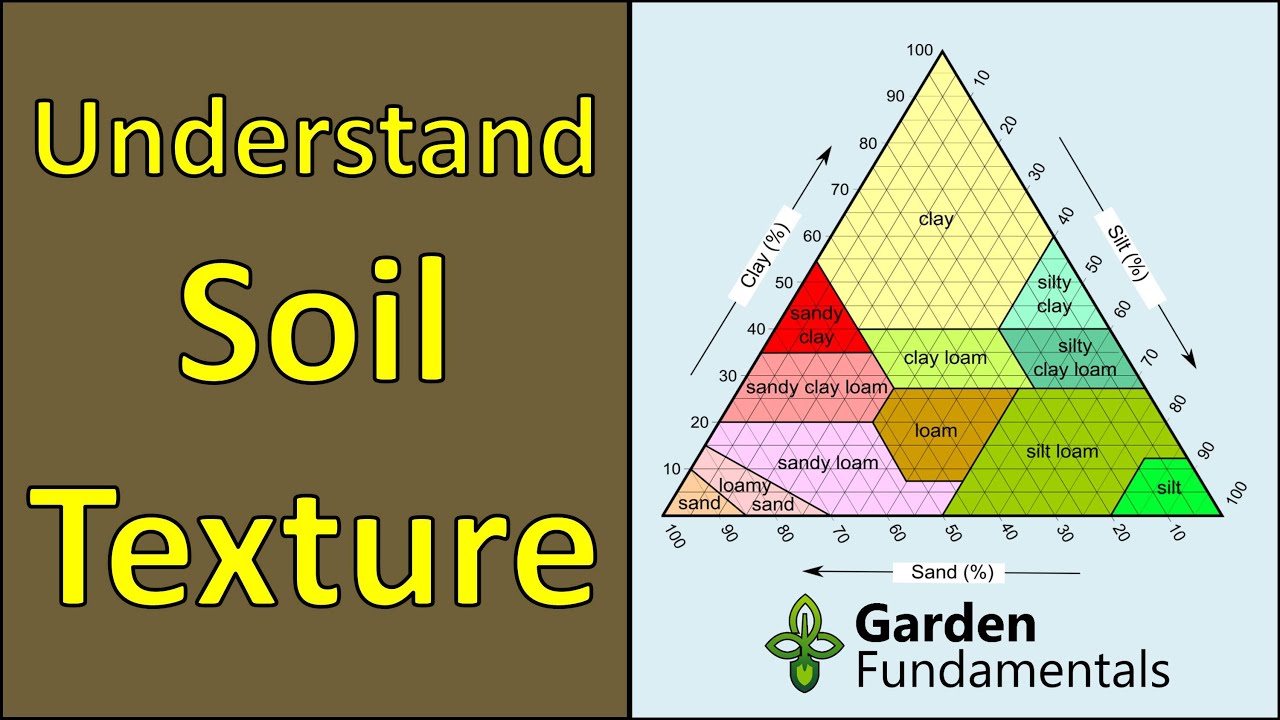
The soil texture calculator uses the USDA soil texture classification system, which defines soil texture classes based on the relative proportions of sand, silt, and clay particles.
Soil Texture Classification
Soil texture classification systems provide a standardized way to describe the relative proportions of sand, silt, and clay particles in a soil sample. These systems are essential for understanding soil behavior, predicting crop yields, and managing soil resources.
The most widely used soil texture classification system is the USDA soil texture classification system. This system divides soils into 12 textural classes based on the percentage of sand, silt, and clay particles in the soil.
USDA Soil Texture Classification System
The USDA soil texture classification system uses a triangular diagram to represent the relative proportions of sand, silt, and clay in a soil sample. The diagram is divided into 12 textural classes, each of which has a unique combination of sand, silt, and clay.
The 12 textural classes are:
- Sand
- Loamy sand
- Sandy loam
- Loam
- Silt loam
- Silt
- Sandy clay loam
- Clay loam
- Silty clay loam
- Sandy clay
- Silty clay
- Clay
The USDA soil texture classification system is a valuable tool for understanding soil behavior and managing soil resources. However, it is important to note that soil texture is only one of many factors that affect soil behavior. Other factors, such as soil structure, organic matter content, and pH, can also have a significant impact on soil behavior.
Soil Texture and Plant Growth
Soil texture significantly influences plant growth and development. The size and arrangement of soil particles impact root penetration, water infiltration, nutrient availability, and aeration.
Soil texture affects root development by influencing the physical impedance encountered by roots as they penetrate the soil. Coarse-textured soils, with larger particles, provide less resistance to root growth compared to fine-textured soils, which have smaller particles that create a denser matrix.
Roots can easily navigate and explore coarse-textured soils, accessing deeper layers for water and nutrients.
Nutrient availability is also influenced by soil texture. Fine-textured soils have a higher surface area, which allows for greater adsorption of nutrients. However, this can also hinder nutrient uptake by roots, as the nutrients may be held too tightly to the soil particles.
Coarse-textured soils, on the other hand, have a lower surface area, resulting in less nutrient adsorption but easier accessibility for roots.
Recommendations for Optimizing Soil Texture, Soil texture calculator
To optimize soil texture for specific plant species, consider the following recommendations:
- Match plant species to soil texture:Select plants that are well-suited to the existing soil texture. For example, plants with deep root systems may thrive in coarse-textured soils, while shallow-rooted plants may prefer fine-textured soils.
- Amend soil texture:If the existing soil texture is not ideal for the desired plants, consider amending the soil to improve its characteristics. Coarse-textured soils can be amended with organic matter, such as compost or manure, to increase water retention and nutrient availability.
Fine-textured soils can be amended with sand or perlite to improve drainage and aeration.
Closing Summary

In conclusion, the Soil Texture Calculator is an indispensable resource for anyone seeking to enhance their understanding of soil composition and its impact on plant growth. By empowering users with the ability to analyze soil texture, this calculator enables informed decision-making and ultimately contributes to successful agricultural outcomes.