
Lower extremity functional scale calculator – The Lower Extremity Functional Scale (LEFS) calculator is an invaluable tool for healthcare professionals, providing an objective assessment of a patient’s functional mobility. Its comprehensive scoring system empowers clinicians to make informed decisions, monitor progress, and tailor treatment plans effectively.
Understanding the LEFS calculator’s purpose, benefits, and applications is crucial for its successful implementation in various healthcare settings. By leveraging technology, the LEFS calculator can be further enhanced, improving accessibility, data collection, and analysis.
Understanding the Lower Extremity Functional Scale Calculator
The Lower Extremity Functional Scale (LEFS) calculator is a valuable tool for healthcare professionals to assess and quantify the functional mobility of individuals with lower extremity impairments. It provides a comprehensive and standardized measure of an individual’s ability to perform everyday activities involving lower extremity movements, such as walking, climbing stairs, and squatting.
Purpose and Benefits
- The LEFS calculator helps clinicians objectively evaluate an individual’s functional limitations and track their progress over time.
- It provides a common language for communication between healthcare professionals, enabling effective collaboration in patient care.
- The LEFS score can guide treatment planning, monitor rehabilitation outcomes, and establish functional goals for patients.
Scoring System and Functional Mobility Measurement
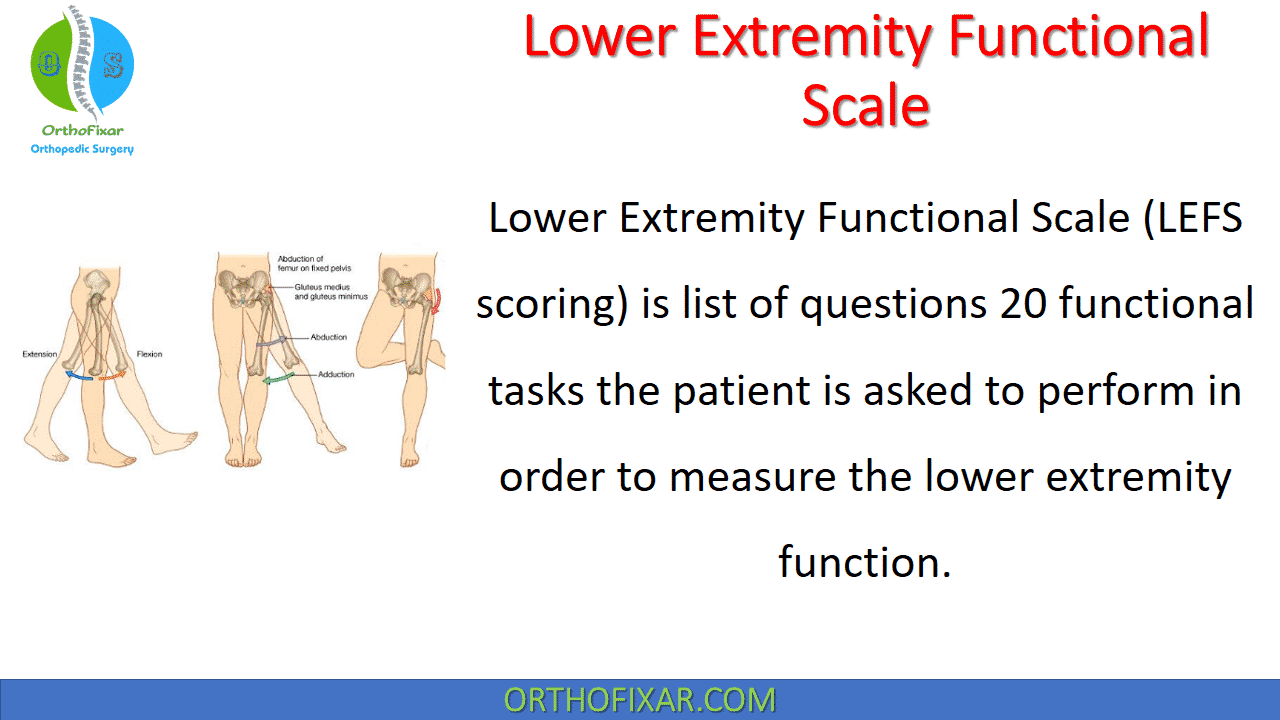
The LEFS calculator consists of 20 items, each representing a specific functional task. Each item is scored on a scale of 0 to 4, where 0 indicates an inability to perform the task and 4 indicates independent completion. The total score ranges from 0 to 80, with higher scores indicating better functional mobility.
Importance in Clinical Practice
The LEFS calculator is an essential tool in clinical practice for:
- Identifying individuals at risk for functional decline or mobility limitations.
- Developing individualized rehabilitation programs tailored to the specific functional needs of patients.
- Monitoring the effectiveness of interventions and adjusting treatment plans as necessary.
Applying the LEFS Calculator in Different Settings

The LEFS calculator is a valuable tool in various healthcare settings, offering insights into patients’ lower extremity function and aiding in treatment planning and evaluation.
Rehabilitation Clinics
- Assess functional limitations and establish baseline measurements.
- Monitor progress and adjust rehabilitation interventions accordingly.
- Evaluate treatment effectiveness and determine discharge readiness.
Hospitals
- Assess patients with lower extremity injuries or conditions, guiding treatment decisions.
- Monitor patient progress post-surgery or during hospitalization.
- Assist in discharge planning and determining appropriate rehabilitation settings.
Outpatient Practices
- Screen patients for functional limitations and identify those requiring further assessment.
- Monitor patient progress and evaluate treatment outcomes over time.
- Provide objective data to support clinical decision-making and patient education.
Selecting Appropriate Patients
The LEFS calculator is appropriate for patients with lower extremity impairments affecting their functional mobility, such as:
- Arthritis
- Muscle weakness
- Joint pain
- Neurological conditions
Monitoring Patient Progress and Evaluating Treatment Outcomes
The LEFS calculator provides a standardized method to track patient progress and evaluate treatment effectiveness.
- Serial assessments can show changes in functional ability over time.
- Improvements in LEFS scores indicate positive treatment outcomes.
- Plateaus or declines in scores may warrant adjustments to the treatment plan.
Interpreting and Using LEFS Calculator Results
The LEFS calculator provides a numerical score that quantifies a patient’s functional status in the lower extremities. Interpreting this score accurately is crucial for making informed clinical decisions. Higher LEFS scores indicate better functional status, while lower scores suggest greater functional limitations.
Clinical Decision-Making
LEFS scores can guide rehabilitation goals and treatment plans. For instance, a patient with a score below 50 may require more intensive rehabilitation to improve their functional abilities. Conversely, a patient with a score above 75 may be ready for discharge from rehabilitation or a reduction in the frequency of therapy sessions.
Limitations and Addressing Them
The LEFS calculator has some limitations. It relies on patient self-reporting, which can introduce bias. Additionally, it may not be sensitive enough to detect subtle changes in functional status. To address these limitations, clinicians should consider using the LEFS calculator in conjunction with other assessment tools and patient observation.
Enhancing the LEFS Calculator with Technology

Advancements in technology have significantly impacted the healthcare industry, and the LEFS calculator is no exception. Integrating technology into the LEFS calculator offers numerous benefits, including improved accessibility, streamlined data collection, and enhanced analysis of results.
Mobile Apps
- Mobile apps make the LEFS calculator easily accessible to healthcare professionals and patients on the go.
- They allow for quick and convenient assessments, reducing the time and effort required for manual calculations.
- Mobile apps can also provide additional features, such as reminders for assessments and educational resources.
Online Platforms, Lower extremity functional scale calculator
- Online platforms offer a centralized repository for LEFS data, allowing for easy storage, retrieval, and sharing.
- They enable collaboration among healthcare professionals, facilitating the exchange of patient information and the tracking of progress over time.
- Online platforms can also generate automated reports and provide insights into patient outcomes, supporting decision-making and care planning.
Integration with Electronic Health Records (EHRs)
- Integrating the LEFS calculator with EHRs allows for seamless data transfer, reducing the risk of errors and saving time.
- It provides a comprehensive view of the patient’s functional status, enhancing clinical decision-making and improving patient outcomes.
- EHR integration also enables automated alerts and notifications, ensuring timely interventions and monitoring.
Wrap-Up: Lower Extremity Functional Scale Calculator
The LEFS calculator serves as a powerful tool in the assessment and management of lower extremity functional mobility. Its versatility and adaptability make it an indispensable resource for healthcare professionals, enabling them to provide optimal care and empower patients in their rehabilitation journey.
