Embarking on a journey into the realm of boiler feed pump calculations, this guide invites you to delve into a captivating exploration of the principles, formulas, and factors that govern the operation of these essential components. As we unravel the intricacies of boiler feed pump calculations, we will uncover the secrets behind ensuring optimal performance, efficiency, and longevity in steam generation systems.
Throughout this comprehensive guide, we will explore the fundamentals of boiler feed pumps, empowering you with a thorough understanding of their purpose, types, and performance parameters. We will then delve into the heart of boiler feed pump calculations, providing step-by-step guidance on determining flow rate, pressure, and power consumption.
By mastering these calculations, you will gain the ability to select and design boiler feed pumps that meet the specific demands of your application.
Boiler Feed Pump Basics
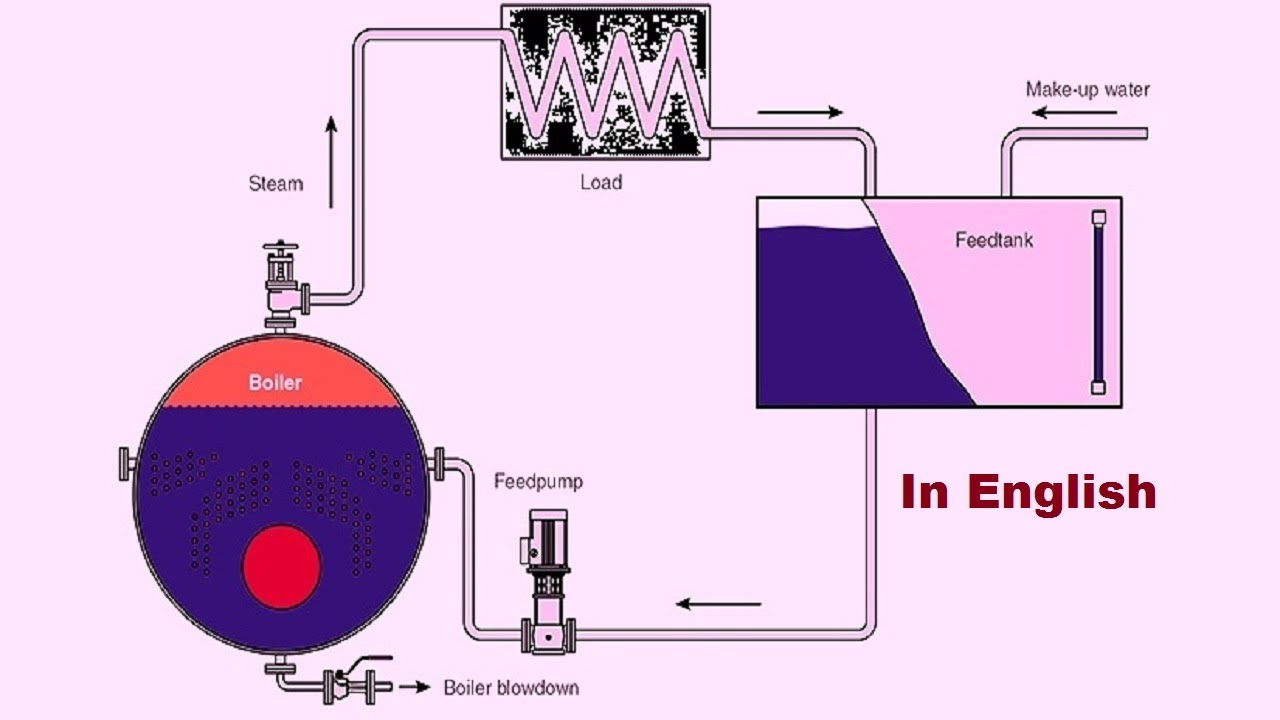
A boiler feed pump is an essential component of a steam generating system, responsible for supplying high-pressure water to the boiler. This water is critical for generating steam, which drives turbines and powers various industrial processes and electricity generation.
Types of Boiler Feed Pumps
There are several types of boiler feed pumps, each suited to specific applications:
- Centrifugal Pumps:Most common type, using rotating impellers to increase water pressure. Suitable for low to medium-pressure applications.
- Reciprocating Pumps:Positive displacement pumps that use pistons or plungers to move water. Ideal for high-pressure applications.
- Turbine-Driven Pumps:Driven by a steam turbine, offering high efficiency and reliability. Used in large-scale power plants.
Key Performance Parameters
Boiler feed pumps are characterized by several key performance parameters:
- Flow Rate:The volume of water delivered by the pump per unit time, measured in gallons per minute (GPM) or cubic meters per hour (m³/h).
- Pressure:The force exerted by the pump to overcome system resistance and deliver water to the boiler, measured in pounds per square inch (psi) or bars.
- Efficiency:The ratio of energy output to energy input, expressed as a percentage. Higher efficiency pumps consume less energy to deliver the same amount of water.
Boiler Feed Pump Calculations
Calculating boiler feed pump flow rate, pressure, and power consumption is crucial for ensuring efficient and reliable boiler operation. Various factors influence these calculations, including boiler steam pressure, feedwater temperature, and pipe friction.
Flow Rate Calculation
The boiler feed pump flow rate is determined by the boiler’s steam demand. The formula for calculating the flow rate is:
Q = (S
- h) / (H
- h)
Where:
- Q = Feed pump flow rate (m³/h)
- S = Boiler steam flow rate (kg/h)
- h = Feedwater enthalpy (kJ/kg)
- H = Boiler steam enthalpy (kJ/kg)
Pressure Calculation
The boiler feed pump pressure is determined by the boiler’s operating pressure and the pressure drop in the feedwater system. The formula for calculating the pressure is:
P = Pboiler+ P friction
Where:
- P = Feed pump pressure (bar)
- P boiler= Boiler operating pressure (bar)
- P friction= Pressure drop in the feedwater system (bar)
Power Consumption Calculation
The boiler feed pump power consumption is determined by the flow rate, pressure, and efficiency of the pump. The formula for calculating the power consumption is:
P = (Q
- P
- ρ) / (3600
- η)
Where:
- P = Feed pump power consumption (kW)
- Q = Feed pump flow rate (m³/h)
- P = Feed pump pressure (bar)
- ρ = Feedwater density (kg/m³)
- η = Feed pump efficiency
Boiler Feed Pump Sizing Calculator
Boiler feed pump sizing calculators are valuable tools for determining the appropriate pump size for a given application. These calculators consider factors such as boiler steam demand, feedwater temperature, and pipe friction to recommend a pump with the optimal flow rate, pressure, and power consumption.
Boiler Feed Pump Selection and Design: Boiler Feed Pump Calculation

Selecting and designing a boiler feed pump is crucial for ensuring the efficient and reliable operation of a boiler system. Various factors must be considered to optimize the pump’s performance and meet specific system requirements.
Factors to Consider in Boiler Feed Pump Selection
Key factors to consider when selecting a boiler feed pump include:
- Capacity:The pump’s capacity should meet or exceed the maximum flow rate required by the boiler.
- Efficiency:A higher pump efficiency translates to lower operating costs.
- Reliability:The pump should be designed to operate reliably under demanding conditions and minimize downtime.
Design Features of Boiler Feed Pumps, Boiler feed pump calculation
Boiler feed pumps incorporate specific design features to meet the unique demands of boiler systems:
- Impeller Type:Centrifugal pumps are commonly used in boiler feed applications, with impeller designs optimized for high-pressure and high-flow conditions.
- Casing Materials:Pump casings are typically made of cast iron, stainless steel, or bronze, depending on the operating conditions and fluid compatibility.
- Sealing Arrangements:Mechanical seals are widely used to prevent leakage and ensure reliable operation under high pressure.
Importance of Proper Boiler Feed Pump Installation and Maintenance
Proper installation and maintenance are essential for ensuring optimal performance and longevity of boiler feed pumps:
- Installation:The pump should be installed according to the manufacturer’s specifications, ensuring proper alignment, piping, and foundation.
- Maintenance:Regular inspections, lubrication, and seal replacements are crucial to prevent premature failure and extend the pump’s lifespan.
Boiler Feed Pump Troubleshooting
Boiler feed pumps are essential components of a boiler system, responsible for delivering feedwater to the boiler at the required pressure and flow rate. Troubleshooting boiler feed pump issues is crucial to ensure efficient and reliable boiler operation.Common boiler feed pump problems include:
- Cavitation
- Loss of suction
- Excessive vibration
- Pump failure
Final Summary

In closing, boiler feed pump calculations are a cornerstone of steam generation systems, providing the foundation for efficient and reliable operation. By harnessing the principles and formulas Artikeld in this guide, you will be well-equipped to tackle any boiler feed pump calculation with confidence.
Remember, a well-calculated boiler feed pump is a key ingredient in maximizing the performance and longevity of your steam generation system.