
What are the fees associated with a loan? This question is at the heart of understanding the true cost of borrowing money. In this comprehensive guide, we will delve into the various fees that can be encountered when taking out a loan, empowering you to make informed decisions about your financial future.
From origination fees to late payment penalties, we will explore the different types of charges associated with loans, their purpose, and their potential impact on your budget. Whether you are considering a personal loan, a mortgage, or any other type of financing, this guide will provide you with the knowledge you need to navigate the loan process with confidence.
Origination Fees: What Are The Fees Associated With A Loan?
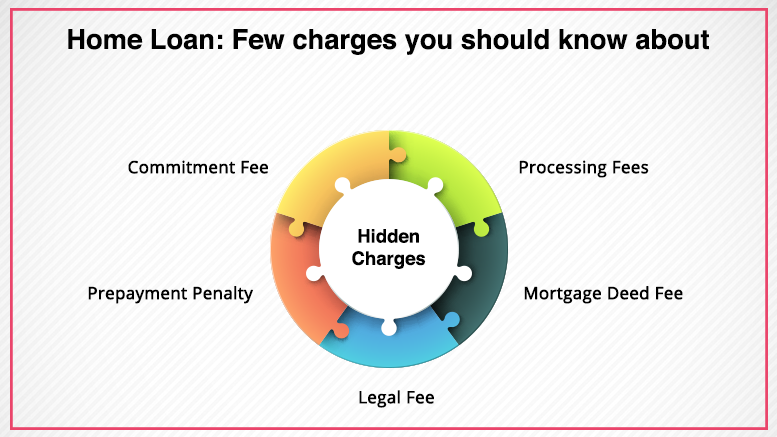
Origination fees are charges imposed by lenders to cover the administrative costs associated with processing and underwriting a loan application. These fees are typically expressed as a percentage of the loan amount and can vary depending on the lender, loan type, and borrower’s creditworthiness.
Origination fees are calculated as a percentage of the loan amount, with common structures ranging from 0.5% to 2%. For instance, a loan of $100,000 with an origination fee of 1% would result in a fee of $1,000.
Factors Influencing Origination Fees
- Loan Type: Different loan types, such as mortgages, auto loans, and personal loans, may have varying origination fee structures.
- Lender: Each lender sets its own origination fee schedule, which may vary based on their operating costs and risk assessment.
- Borrower’s Creditworthiness: Borrowers with higher credit scores and lower risk profiles may qualify for lower origination fees.
- Loan Amount: Origination fees may be higher for larger loan amounts due to increased administrative and underwriting costs.
- Market Conditions: Economic conditions and competition in the lending market can influence origination fee rates.
Interest Rates and Points
Interest rates and points are two important factors that can significantly impact the total cost of a loan. Understanding how they work can help you make informed decisions about your financing options.
An interest rate is a percentage of the loan amount that you pay to the lender over the life of the loan. The higher the interest rate, the more you will pay in total for the loan. Points are a one-time fee that you can pay at closing to lower your interest rate. Each point typically reduces the interest rate by 0.25%.
Fixed vs. Variable Interest Rates, What are the fees associated with a loan?
There are two main types of interest rates: fixed and variable.
- Fixed interest rates remain the same for the entire life of the loan. This means that you will always know exactly how much your monthly payments will be.
- Variable interest rates can change over time, based on market conditions. This means that your monthly payments could increase or decrease over time.
Fixed interest rates are typically higher than variable interest rates, but they offer the peace of mind of knowing that your payments will never change. Variable interest rates can be lower than fixed interest rates, but they come with the risk that your payments could increase in the future.
For descriptions on additional topics like What is the difference between a grade calculator and a GPA calculator?, please visit the available What is the difference between a grade calculator and a GPA calculator?.
Using Points to Lower Interest Rates
Points can be a good way to lower your interest rate and save money over the life of the loan.
- For example, if you are getting a $100,000 loan with a 4% interest rate, you would pay $4,000 in interest over the life of the loan.
- If you paid 1 point at closing, your interest rate would drop to 3.75%. This would save you $500 in interest over the life of the loan.
Whether or not it makes sense to pay points depends on a number of factors, including the length of the loan, the interest rate environment, and your financial situation.
Late Payment and Prepayment Penalties

Failing to make timely loan payments can result in severe consequences. Lenders often impose late payment fees as a penalty for missed or delayed payments. These fees vary depending on the lender and the loan agreement, but they can add up quickly and increase the overall cost of borrowing. Additionally, late payments can damage your credit score, making it more difficult and expensive to obtain future loans.
Prepayment Penalties
Some loans come with prepayment penalties, which are charges levied if you pay off your loan early. Lenders impose these penalties to recoup the interest they would have earned if you had kept the loan for its full term. Prepayment penalties are typically calculated as a percentage of the remaining loan balance and can range from a few hundred dollars to thousands of dollars.
Strategies for Avoiding or Minimizing Fees
To avoid or minimize late payment and prepayment penalties, consider the following strategies:
- Set up automatic payments to ensure timely payments.
- Contact your lender immediately if you anticipate missing a payment.
- Explore options for loan modification or forbearance if you are experiencing financial hardship.
- Read your loan agreement carefully to understand any prepayment penalties and consider refinancing if necessary.
Summary

Understanding the fees associated with a loan is crucial for making informed financial decisions. By carefully considering the origination fees, loan application fees, interest rates, and potential penalties, you can minimize the overall cost of borrowing and maximize your financial flexibility. Remember, knowledge is power, and when it comes to loans, being aware of the fees involved will empower you to make choices that align with your financial goals.
Questions and Answers
What are origination fees?
Origination fees are a one-time charge levied by the lender to cover the administrative costs of processing and underwriting a loan.
How are interest rates determined?
Interest rates are influenced by various factors, including the lender’s risk assessment, the prevailing economic conditions, and the type of loan.
What are the consequences of making late payments on a loan?
Late payments can result in additional fees, damage your credit score, and potentially lead to foreclosure or repossession.
