The Berg Balance Calculator, an invaluable tool for healthcare professionals, provides a comprehensive assessment of balance, aiding in the diagnosis and management of various health conditions. Its systematic approach and standardized scoring system empower clinicians to make informed decisions, ensuring optimal patient care.
The Berg Balance Scale (BBS), the foundation of the calculator, evaluates an individual’s ability to maintain balance during various functional tasks. By assessing postural stability, dynamic balance, and gait, the BBS provides a detailed profile of balance capabilities.
Understanding Berg Balance Scale
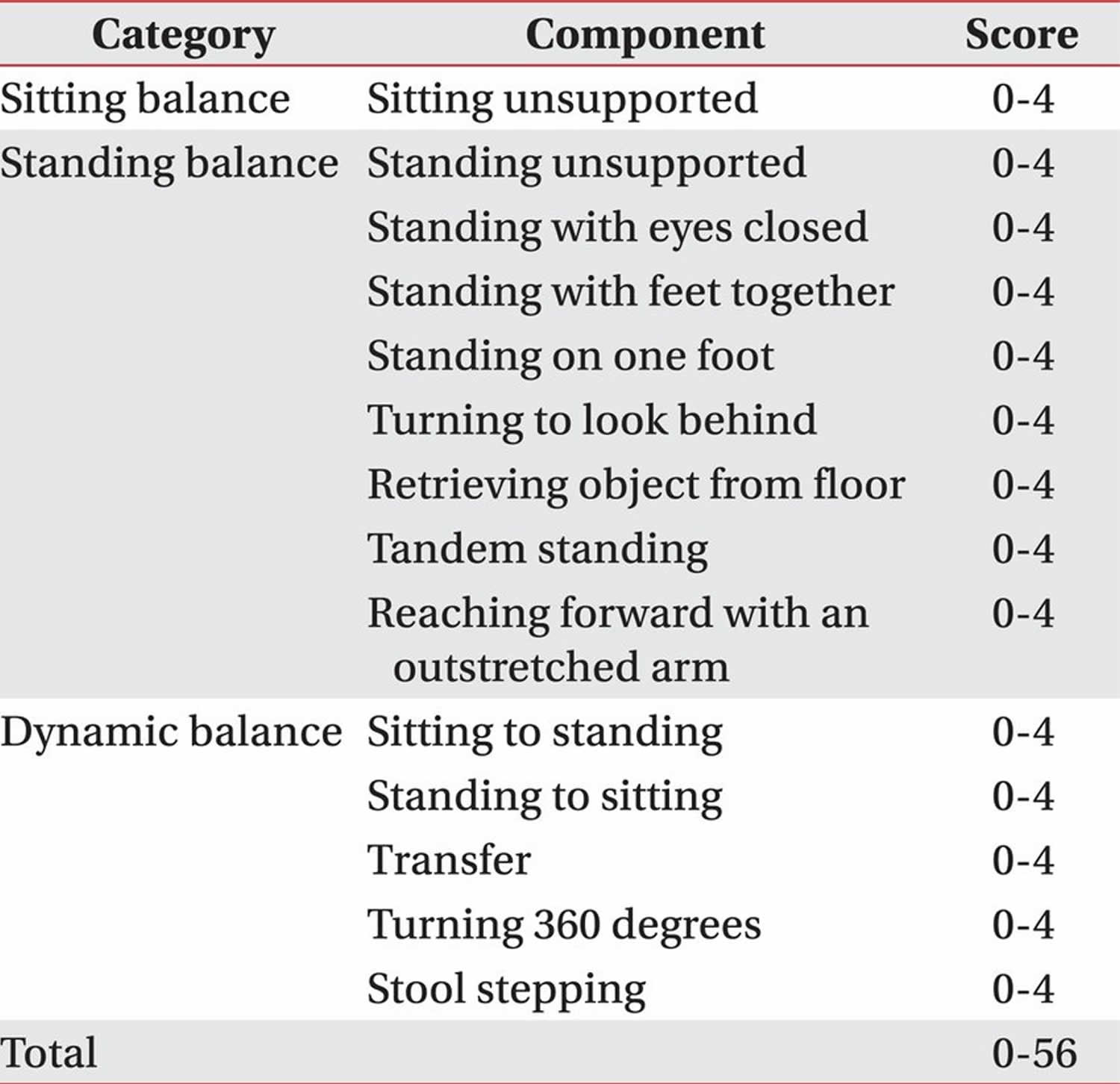
The Berg Balance Scale (BBS) is a widely used clinical tool for assessing balance in individuals, particularly those with neurological or musculoskeletal conditions.
The BBS evaluates an individual’s ability to maintain balance during various functional tasks, providing a comprehensive assessment of their balance capabilities.
Components and Scoring
The BBS consists of 14 items, each representing a specific functional task. These tasks include sitting to standing, standing with eyes closed, reaching forward while standing, and turning 360 degrees. Each item is scored on a 5-point scale, with 0 indicating an inability to perform the task and 4 indicating the task is performed independently.
The total score ranges from 0 to 56, with higher scores indicating better balance.
Clinical Applications
The BBS is commonly used in clinical settings to:
- Assess an individual’s balance abilities and identify areas of impairment.
- Monitor changes in balance over time, such as after an injury or intervention.
- Guide treatment planning and rehabilitation programs.
- Provide objective data for research on balance disorders.
Calculating Berg Balance Scores
The Berg Balance Scale (BBS) is a standardized tool used to assess static and dynamic balance in individuals. Calculating BBS scores involves several steps to accurately determine the level of balance function.
The BBS consists of 14 items, each representing a specific balance task. Each item is scored on a 5-point scale, ranging from 0 (unable to perform) to 4 (performs independently).
Steps Involved in Calculating BBS Scores
- Administer the BBS:Have the individual perform each of the 14 tasks as per the standardized protocol.
- Score Each Item:Assign a score of 0 to 4 for each item based on the individual’s performance.
- Sum the Scores:Add up the scores for all 14 items to obtain the total BBS score.
- Interpret the Score:Use the following guidelines to interpret the total BBS score:
- 0-20: Severe balance impairment
- 21-40: Moderate balance impairment
- 41-56: Mild balance impairment
- 57-60: No balance impairment
Categories and Levels of Balance Assessed by the BBS
The BBS assesses different categories and levels of balance, including:
- Static Balance:Maintaining balance while standing or sitting still.
- Dynamic Balance:Maintaining balance while moving, such as turning or reaching.
- Functional Balance:Maintaining balance during everyday activities, such as getting out of bed or walking.
The BBS provides a comprehensive evaluation of balance function and can be used to track progress over time or to compare different individuals.
Using BBS Scores for Clinical Decision-Making
BBS scores can be used by clinicians to make informed decisions about:
- Identifying individuals at risk for falls
- Developing appropriate interventions to improve balance
- Monitoring the effectiveness of balance interventions
- Making decisions about assistive devices or modifications to the environment
The BBS is a valuable tool for assessing balance function and guiding clinical decision-making in a variety of settings.
Factors Influencing Berg Balance Scores

BBS scores can be influenced by various factors, including age, physical condition, and neurological impairments.
As individuals age, their balance naturally declines due to physiological changes, such as decreased muscle strength and flexibility, and reduced sensory input. Physical conditions, such as arthritis, obesity, and musculoskeletal injuries, can also impair balance. Additionally, neurological impairments, such as Parkinson’s disease, stroke, and multiple sclerosis, can significantly affect balance control.
Role of Balance Deficits in Health Management
Balance deficits can be an early indicator of underlying health conditions. For example, poor balance in older adults may suggest an increased risk of falls, while balance problems in individuals with neurological conditions can provide insights into the severity and progression of their condition.
Tracking Progress and Evaluating Interventions
BBS scores can be used to track progress and evaluate the effectiveness of interventions aimed at improving balance. By comparing scores over time, clinicians can assess the impact of rehabilitation programs, medication, or other interventions on an individual’s balance abilities.
Applications of Berg Balance Calculator

The Berg Balance Calculator offers numerous advantages in assessing balance and designing interventions. It provides an objective and standardized method to evaluate balance performance, allowing clinicians to track progress and compare results over time.
The calculator’s simplicity and ease of use make it accessible to clinicians in various settings, including clinics, hospitals, and rehabilitation centers. It can be used as a screening tool to identify individuals at risk for falls or as a means to monitor balance recovery following an injury or illness.
Benefits of Using the Calculator
- Objective and standardized assessment of balance performance
- Ability to track progress and compare results over time
- Early identification of individuals at risk for falls
- Guidance in designing appropriate interventions to improve balance
Limitations of Using the Calculator, Berg balance calculator
- May not be suitable for individuals with cognitive or physical impairments that interfere with task completion
- Does not provide information on the underlying causes of balance deficits
- Requires training and practice for accurate administration
Applications in Research and Healthcare Settings
The Berg Balance Calculator has potential applications in research and healthcare settings:
- Research:Investigating the relationship between balance performance and various health conditions, such as aging, neurological disorders, and musculoskeletal injuries
- Clinical practice:Developing and evaluating interventions to improve balance and prevent falls in older adults and individuals with balance impairments
Last Word: Berg Balance Calculator
The Berg Balance Calculator has revolutionized balance assessment, offering a precise and efficient method for clinicians. Its versatility extends to research and healthcare settings, contributing to a deeper understanding of balance disorders and the development of effective interventions. As a cornerstone of balance assessment, the calculator continues to play a pivotal role in improving patient outcomes and enhancing the quality of life.