How to calculate grades with a curve? This comprehensive guide will delve into the intricacies of grading curves, empowering educators with the knowledge and tools to effectively evaluate student performance while ensuring fairness and minimizing bias.
Grading curves are a valuable tool in an educator’s arsenal, offering a range of benefits and considerations. Understanding their purpose, methods, and ethical implications is crucial for their successful implementation.
Understanding the Purpose and Benefits of Grading Curves: How To Calculate Grades With A Curve?
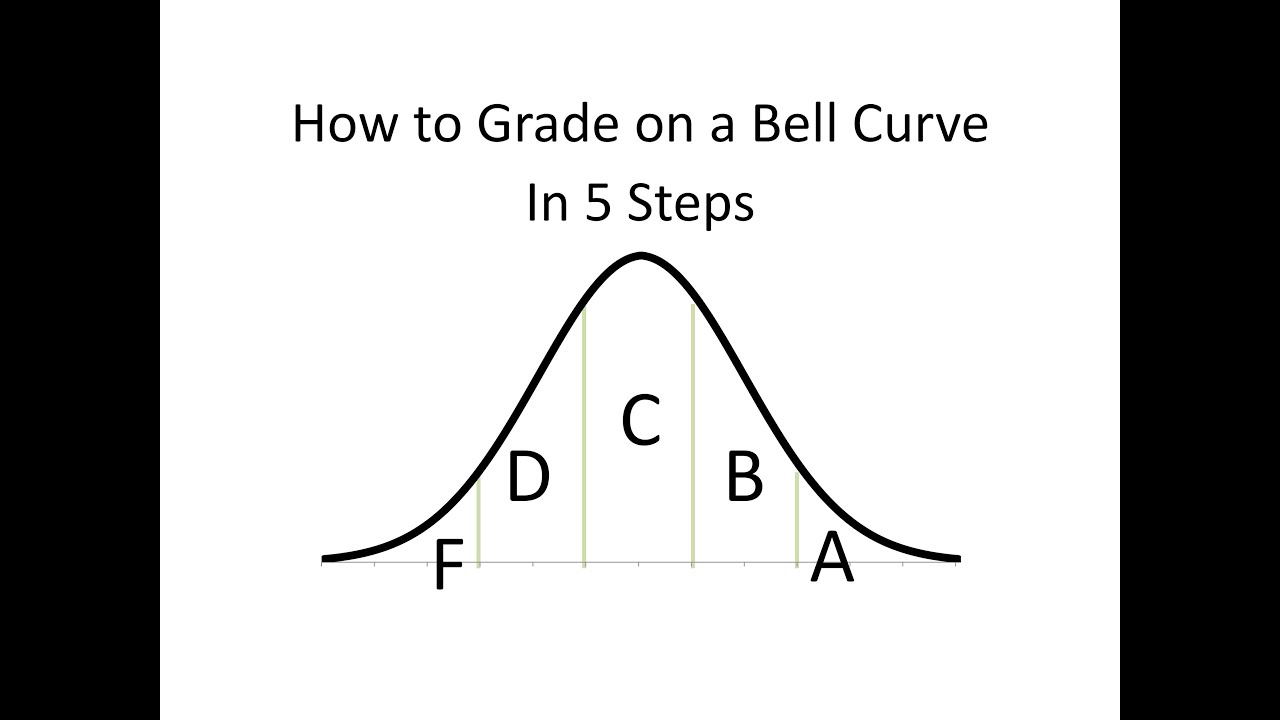
Grading curves are mathematical adjustments applied to raw test scores to modify the distribution of grades, typically with the goal of aligning them with a predetermined distribution or meeting specific performance targets. They are often used in educational settings to address various factors that may affect student performance and to ensure fairness and equity in grading.
Enhance your insight with the methods and methods of How to calculate letter grades?.
There are several advantages to using grading curves. First, they can help to normalize the distribution of grades, reducing the impact of factors such as test difficulty or the instructor’s grading style. This can make it easier to compare student performance across different sections or courses and to identify students who are struggling or excelling.
Potential Biases and Fairness Concerns
However, there are also some potential disadvantages to using grading curves. One concern is that they can introduce biases into the grading process. For example, if a curve is based on the assumption that all students have the same level of ability, it may unfairly penalize students who come from disadvantaged backgrounds or who have learning differences.
Another concern is that grading curves can be unfair to students who perform well on absolute terms. For example, if a student earns a raw score of 90% on a test, but the curve is set so that only the top 10% of students receive an A, that student may end up with a lower grade than they deserve.
Methods for Calculating Grades with a Curve
There are several methods for calculating grades with a curve, each with its advantages and disadvantages. The choice of method depends on the specific circumstances and goals of the grading process.
Standard Deviation Method
The standard deviation method is a common approach to grading on a curve. It involves calculating the mean (average) and standard deviation of the test scores. The mean represents the average performance of the class, while the standard deviation measures the spread or variability of the scores.
Formula: Z-score = (X – μ) / σ
To calculate grades using the standard deviation method, the following steps are typically followed:
- Calculate the mean (μ) of the test scores.
- Calculate the standard deviation (σ) of the test scores.
- For each student, calculate the z-score by subtracting the mean from the student’s score and dividing the result by the standard deviation.
- Use a standard normal distribution table or calculator to convert the z-scores into percentile ranks.
- Assign grades based on the percentile ranks.
Z-Score Method
The z-score method is similar to the standard deviation method, but it uses z-scores instead of percentile ranks. Z-scores are calculated by subtracting the mean from a score and dividing the result by the standard deviation. The z-score indicates how many standard deviations a score is above or below the mean.
The advantage of the z-score method is that it allows for direct comparisons of scores from different tests. This is useful when multiple tests are used to assess student learning and the tests have different levels of difficulty.
Percentile Method
The percentile method is a simple and straightforward approach to grading on a curve. It involves ranking students based on their relative performance. The student with the highest score receives a grade of 100%, the student with the second highest score receives a grade of 99%, and so on.
The advantage of the percentile method is that it is easy to understand and implement. However, it can be less precise than the standard deviation or z-score methods, especially when there are a small number of students in the class.
Considerations for Implementing Grading Curves
Grading curves can be a valuable tool for educators, but they should not be implemented without careful consideration. Several factors should be taken into account when deciding whether to use a grading curve, including class size, student diversity, and assessment methods.
Class Size
The size of the class can have a significant impact on the effectiveness of a grading curve. In smaller classes, it may be easier to assess student performance accurately and to determine an appropriate curve. In larger classes, it can be more difficult to make these determinations, and a grading curve may not be as effective.
Student Diversity
The diversity of the student population can also affect the use of grading curves. If a class has a wide range of student abilities, a grading curve may help to ensure that all students are fairly evaluated. However, if a class is relatively homogeneous, a grading curve may not be necessary.
Assessment Methods
The methods used to assess student performance can also impact the effectiveness of a grading curve. If assessments are objective and reliable, a grading curve may be more appropriate. However, if assessments are subjective or unreliable, a grading curve may not be as effective.
Setting Clear Grading Policies
Once the decision has been made to use a grading curve, it is important to set clear grading policies and communicate them to students in advance. This will help to ensure that students understand how their grades will be determined and to avoid any confusion or misunderstandings.
Ethical Implications
The use of grading curves also raises several ethical implications. It is important to ensure that grading curves are used fairly and that they do not bias against any particular group of students. For example, a grading curve should not be used to lower the grades of students from a particular demographic group.
Examples and Case Studies of Grading Curves
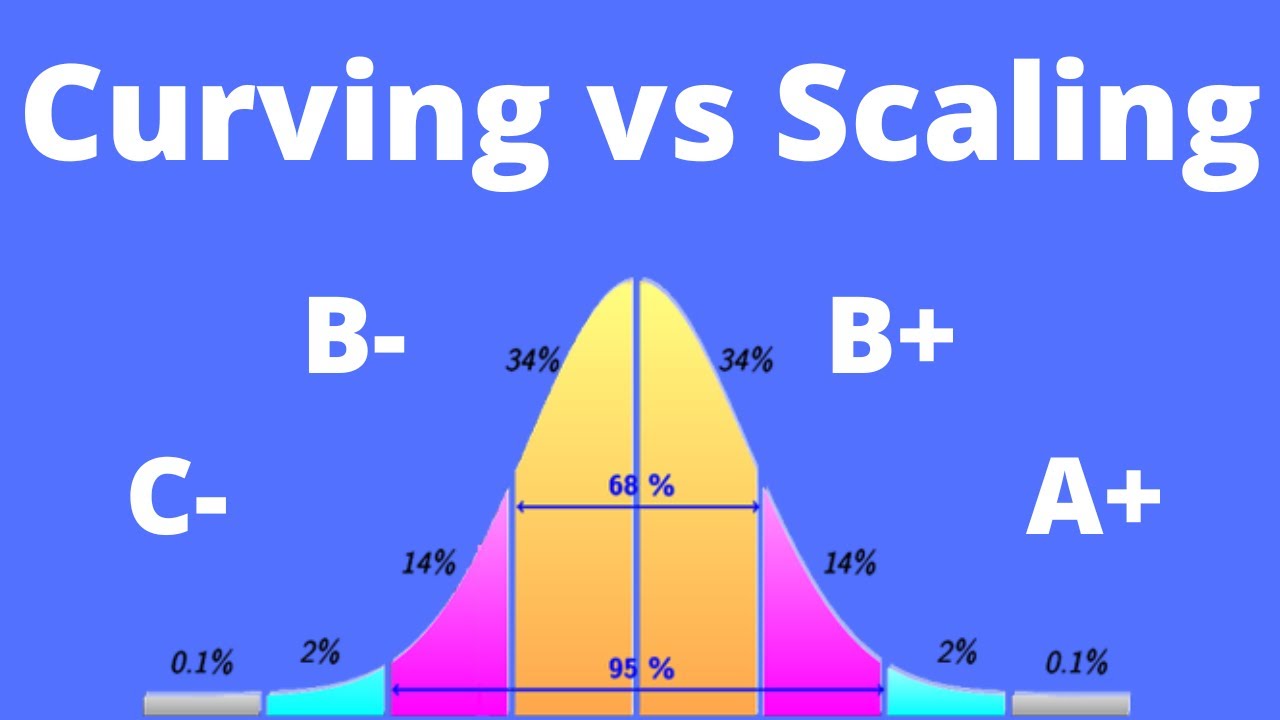
Grading curves have been successfully implemented in various educational settings to enhance student motivation, performance, and overall learning outcomes.
Case Studies, How to calculate grades with a curve?
* University of California, Berkeley: A study conducted at Berkeley found that students enrolled in a large introductory biology course performed better on exams and had higher overall grades when a grading curve was implemented. The curve allowed students to earn higher grades for the same level of performance, which motivated them to work harder and engage more actively in the course.
* High School in Texas: A high school in Texas implemented a grading curve for all core subjects. After implementing the curve, the school observed a significant increase in student attendance, participation, and homework completion. The curve provided students with a clear understanding of the grading expectations and encouraged them to strive for higher achievement.
Challenges and Limitations
* Potential for Grade Inflation: Grading curves can lead to grade inflation, where students receive higher grades than they would have earned under a traditional grading system. This can undermine the value of grades as an indicator of student achievement.
* Subjective Nature: The determination of the grading curve can be subjective, which may lead to inconsistencies in grading practices. This can create confusion and frustration among students.
* Discouragement of Low-Performing Students: Grading curves may discourage low-performing students, who may feel that their efforts are not adequately rewarded. It is important to implement grading curves in a way that provides support and encouragement to all students, regardless of their academic abilities.
Best Practices and Solutions
* Clear Communication: Communicate the grading curve to students at the beginning of the course or semester. Explain the rationale for the curve and provide examples of how it will be applied.
* Objective Criteria: Use objective criteria to determine the grading curve, such as class average, median, or standard deviation. This helps to ensure consistency and fairness in grading.
* Support for Struggling Students: Provide additional support and resources for students who are struggling academically. This may include tutoring, extra credit opportunities, or individualized learning plans.
* Regular Monitoring: Regularly monitor the impact of the grading curve on student performance and make adjustments as needed. This helps to ensure that the curve is achieving its intended goals and is not leading to unintended consequences.
Closing Summary
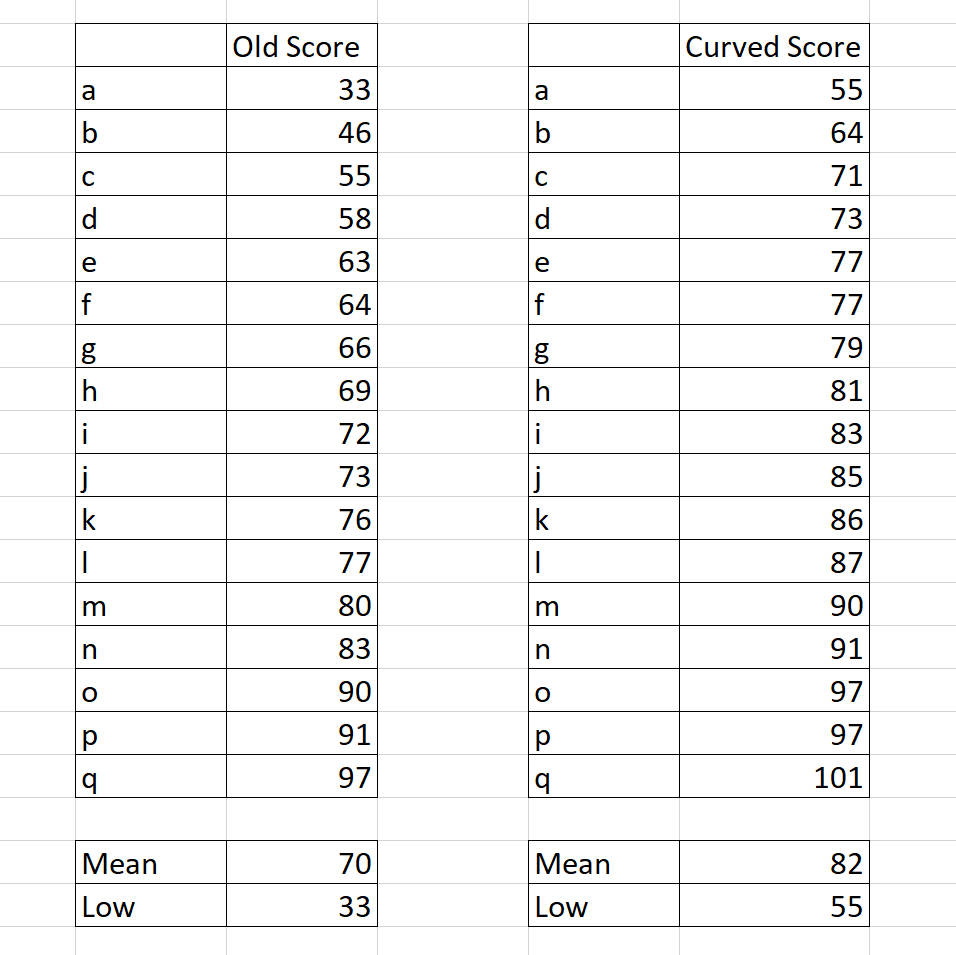
In conclusion, grading curves can be a powerful tool when used thoughtfully and ethically. By considering the factors discussed in this guide, educators can harness the benefits of grading curves to enhance student motivation, improve performance, and promote overall learning outcomes.
Remember, the key to successful curve grading lies in clear communication, transparency, and a commitment to fairness. By embracing these principles, educators can create an equitable and supportive learning environment where every student has the opportunity to succeed.
Question Bank
What is the purpose of a grading curve?
Grading curves adjust raw scores to account for variations in test difficulty or student ability, resulting in a more equitable distribution of grades.
What are the different methods for calculating grades with a curve?
Common methods include the standard deviation method, z-score method, and percentile method, each with its own advantages and considerations.
What factors should be considered when implementing a grading curve?
Factors such as class size, student diversity, and assessment methods should be carefully evaluated to determine the appropriateness of using a grading curve.