
The pool chemical calculator is an essential tool for pool owners who want to maintain a healthy and sparkling pool. With this calculator, you can easily determine the exact amount of chemicals needed to adjust your pool water chemistry, ensuring that your pool is safe and enjoyable for everyone.
In this comprehensive guide, we will explore the importance of maintaining proper chemical balance in a pool, how to use a pool chemical calculator, and the potential hazards of handling pool chemicals. We will also provide troubleshooting tips for common pool water problems and additional resources to assist with pool maintenance.
Pool Chemical Balance: Pool Chemical Calculator
Maintaining proper chemical balance in a pool is essential for the health and safety of swimmers and the longevity of the pool itself. Imbalanced pool water can cause skin irritation, eye infections, and other health problems. It can also damage the pool’s liner, filter, and other components.
The ideal chemical levels for a pool are as follows:
| Chemical | Ideal Level |
|---|---|
| pH | 7.2
|
| Alkalinity | 80
|
| Calcium Hardness | 200
|
| Chlorine | 1
|
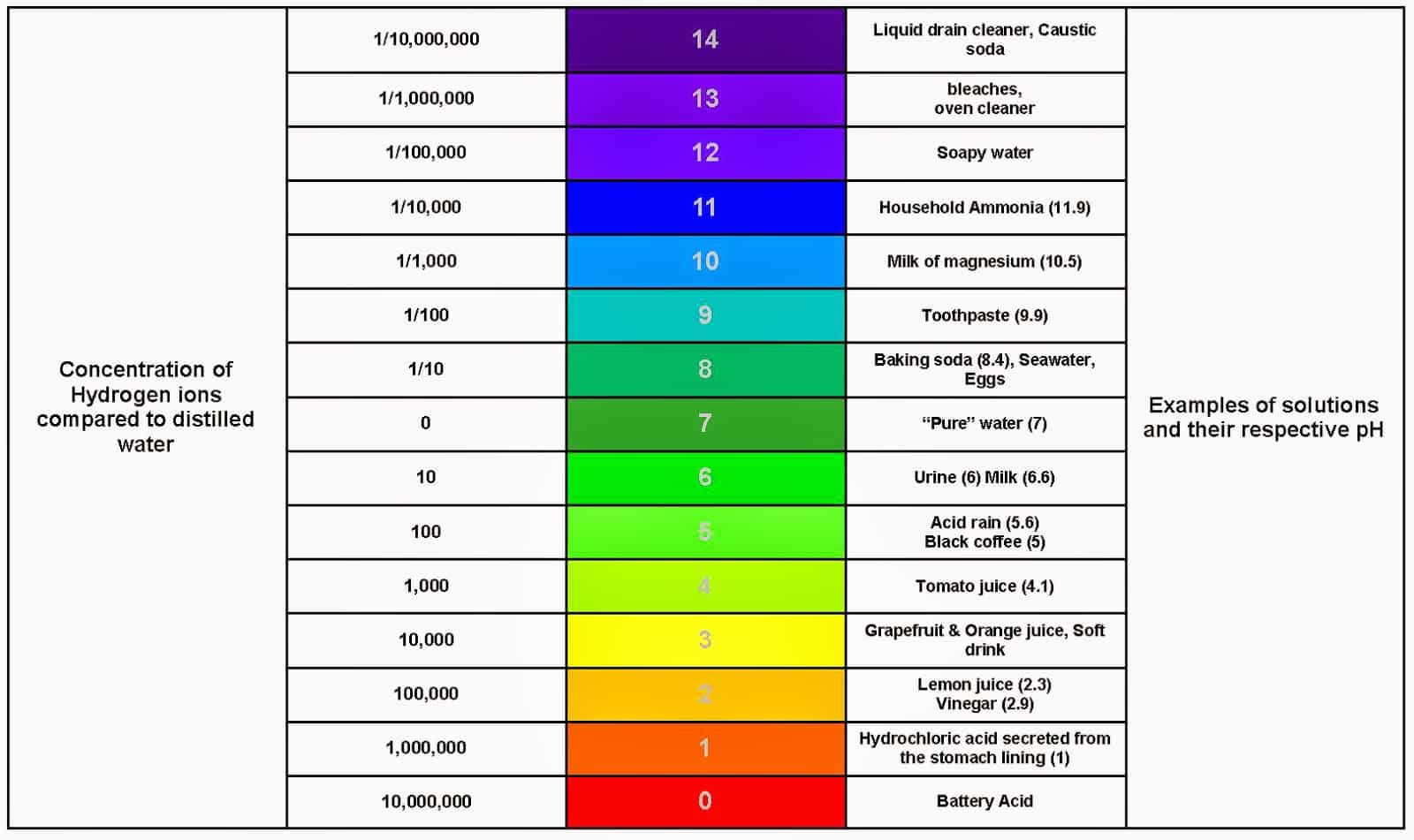
pH is a measure of the acidity or alkalinity of the water. The ideal pH range for a pool is 7.2 – 7.8. Water with a pH below 7.2 is acidic and can cause skin and eye irritation.
Water with a pH above 7.8 is alkaline and can cause cloudy water and scale formation.
Alkalinity is a measure of the water’s ability to resist changes in pH. The ideal alkalinity range for a pool is 80 – 120 ppm. Low alkalinity can cause the pH to fluctuate wildly, which can damage the pool’s liner and other components.
High alkalinity can make the water cloudy and difficult to disinfect.
Calcium hardness is a measure of the amount of calcium in the water. The ideal calcium hardness range for a pool is 200 – 400 ppm. Low calcium hardness can cause the water to be corrosive and damage the pool’s liner and other components.
High calcium hardness can cause scale formation.
Chlorine is a disinfectant that kills bacteria and other microorganisms in the water. The ideal chlorine range for a pool is 1 – 3 ppm. Low chlorine levels can allow bacteria to grow, which can cause health problems for swimmers.
High chlorine levels can irritate skin and eyes.
It is important to test your pool water regularly to ensure that the chemical levels are within the ideal ranges. You can purchase test kits at most pool supply stores. If the chemical levels are not within the ideal ranges, you can add chemicals to adjust them.
Be sure to follow the directions on the chemical label carefully.
Chemical Calculator Functionality

Pool chemical calculators are essential tools for pool owners to maintain proper water chemistry and ensure a safe and enjoyable swimming experience.
These calculators provide a convenient way to determine the precise amount of chemicals needed to adjust pool water chemistry, taking into account factors such as pool size, current water chemistry, and desired chemical levels.
Types of Calculators
There are various types of pool chemical calculators available, each with its own features and capabilities:
- Basic Calculators:These calculators provide simple calculations for adjusting pH, chlorine, and alkalinity levels.
- Advanced Calculators:These calculators offer more comprehensive calculations, including adjustments for stabilizer, calcium hardness, and other parameters.
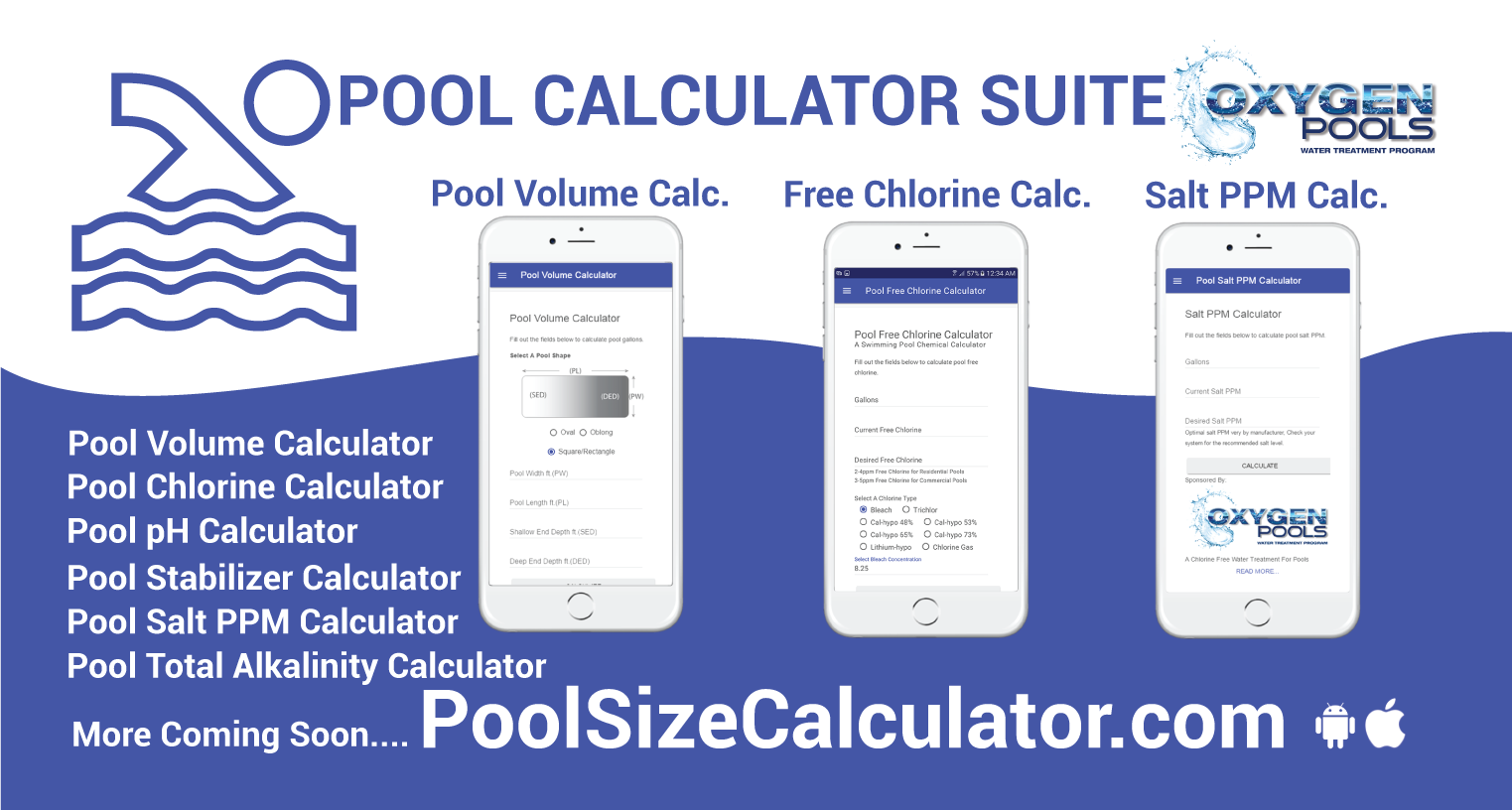
- Mobile Apps:Many pool chemical companies offer mobile apps that include calculators, as well as additional features such as water testing logs and troubleshooting guides.
- Online Calculators:Numerous websites offer free online calculators that can be accessed from any device with an internet connection.
Safety Considerations
Handling pool chemicals requires utmost caution due to their inherent hazardous nature. Improper use and storage can lead to severe health risks and environmental damage. Understanding these hazards and adhering to safety guidelines is crucial.
Exposure to pool chemicals, particularly in concentrated forms, can cause skin irritation, respiratory problems, and even chemical burns. Inhalation of fumes or accidental ingestion can lead to more severe health issues. Additionally, improper storage or disposal can contaminate water sources and pose risks to aquatic life.
Protective Measures, Pool chemical calculator
- Always wear appropriate protective gear when handling chemicals, including gloves, eye protection, and a respirator if necessary.
- Follow the manufacturer’s instructions carefully and do not mix chemicals unless specifically directed.
- Store chemicals in their original containers, clearly labeled, and out of reach of children and pets.
- Never leave chemicals unattended or exposed to heat or moisture.
- Dispose of used chemicals and empty containers properly, according to local regulations.
Troubleshooting Common Issues
Identifying and resolving pool water issues can be simplified with the help of a chemical calculator. Common problems include pH imbalances, algae growth, and cloudy water. Here’s a step-by-step guide on how to use a calculator to troubleshoot and address these issues:
pH Imbalances
- Check the pH level using a test kit or the calculator’s built-in pH measurement feature.
- If the pH is too high (above 7.8), add a pH reducer to lower it.
- If the pH is too low (below 7.2), add a pH increaser to raise it.
Algae Growth
- Check the chlorine or bromine levels using a test kit or the calculator’s chemical analysis function.
- If the levels are too low, add a shock treatment to raise them.
- If the levels are within the recommended range, adjust the pH and ensure proper filtration and circulation.
Cloudy Water
- Check the filter pressure and clean or replace the filter media if necessary.
- If the filter is functioning properly, check the alkalinity and calcium hardness levels using a test kit or the calculator’s analysis feature.
- Adjust the alkalinity and calcium hardness levels as needed, using the calculator’s recommendations.
In addition to a chemical calculator, other resources and tools can assist with pool maintenance, such as test kits, water analysis services, and pool maintenance professionals.
End of Discussion
By following the guidelines and using the resources provided in this guide, you can confidently maintain your pool water chemistry and enjoy a clean and healthy pool all season long. Remember to always handle pool chemicals with care, wear protective gear, and follow the manufacturer’s instructions for safe use and storage.
